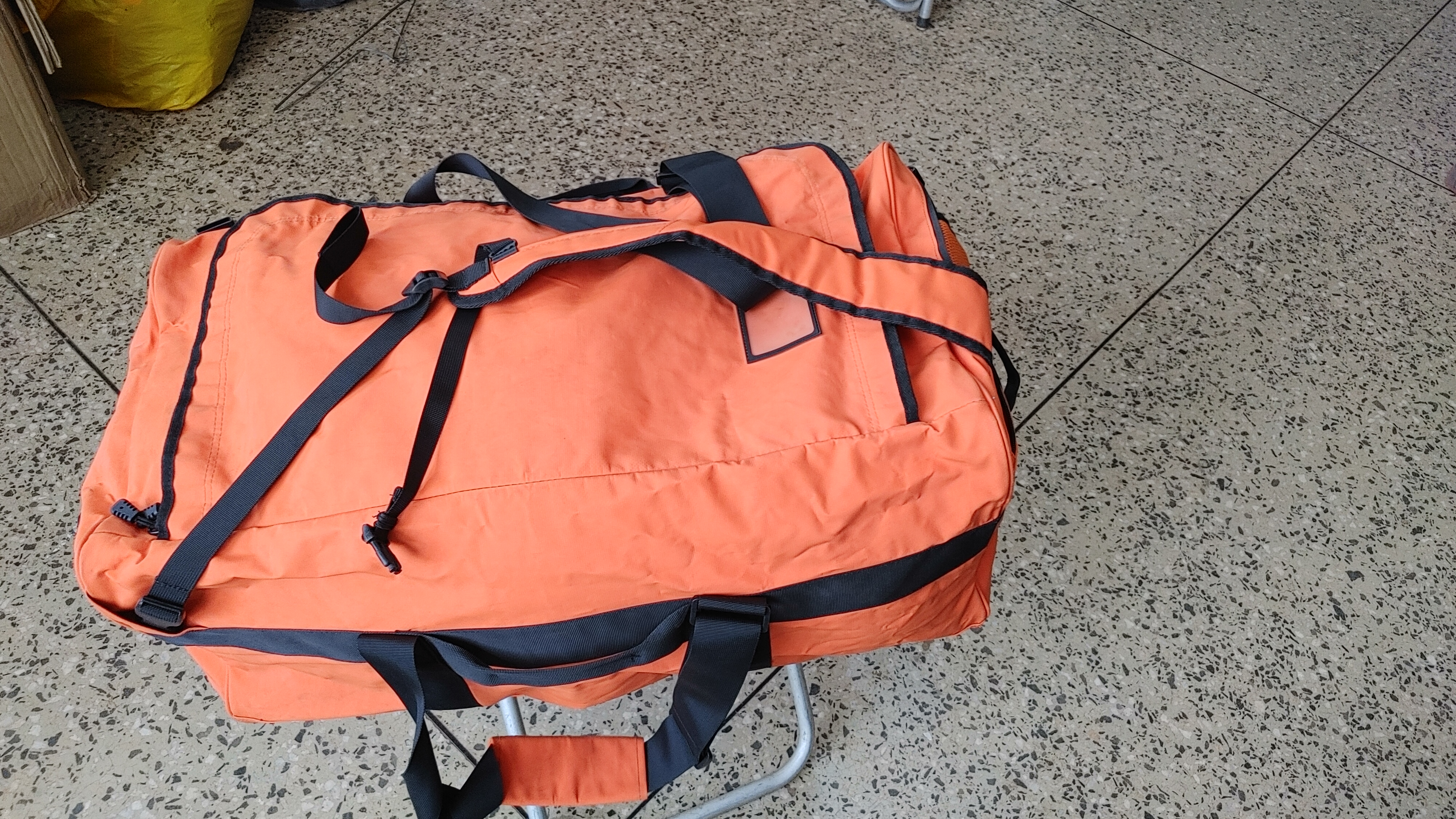
Best Backpack for Kilimanjaro: Size, Weight & Summit Tips | Uprise Africa Tours
Best Backpack for Kilimanjaro: Size, Weight & Summit Tips | Uprise Africa Tours
Climbing Mount Kilimanjaro is one of Africa’s most exciting adventures, and choosing the best backpack for Kilimanjaro is essential for a successful climb. At Uprise Africa Tours, we guide climbers every step of the way, and we know which backpacks actually work on the trail. While porters carry most of your luggage, your daypack stays with you, holding water, snacks, layers, and essential gear.
This guide explains exactly what backpack to use for Kilimanjaro, the ideal size, weight, and features for every part of the climb — from the rainforest to summit night — based on our real climbing experience.
Do You Really Need a Backpack for Kilimanjaro?
Even with porters carrying your main gear, every climber needs a Kilimanjaro daypack.
Your backpack will hold:
Water and electrolytes
Snacks and small meals
Warm and waterproof layers
Gloves, hat, and sunglasses
Camera or phone
Personal medication
On summit night, your backpack also carries a headlamp, extra insulation, and essentials for high-altitude conditions. At Uprise Africa Tours, we always advise climbers to pack only what’s necessary — extra weight makes the climb harder.
What Size Backpack for Kilimanjaro?
Many climbers ask: “What size backpack should I bring?”
The ideal Kilimanjaro backpack size is 30–40 liters. This size is:
Large enough for layers, snacks, and summit essentials
Small enough to stay lightweight and comfortable
Easy to manage on long hiking days
Smaller backpacks (20–25 liters) can feel cramped, especially on summit night, while larger backpacks (45+ liters) often encourage overpacking.
Key Features of a Kilimanjaro Backpack
Choosing the right backpack for Kilimanjaro isn’t just about size — features matter.
1. Comfortable Support
Padded shoulder straps
Adjustable hip belt (essential for weight distribution)
Chest strap for stability
2. Weather Resistance
Water-resistant fabric
Built-in or detachable rain cover
Weather can change quickly from rainforest rain to summit snow.
3. Ventilation
Breathable mesh reduces sweat and keeps you cooler during hot hiking days.
4. Hydration Compatibility
Your daypack for Mount Kilimanjaro should fit a hydration bladder or have side pockets for water bottles. Staying hydrated is critical for altitude acclimatization.
5. Practical Compartments
Easy access to snacks and small items
Secure pockets for valuables
External straps for trekking poles
How Heavy Should Your Backpack Be?
At high altitudes, every kilogram matters. Your Kilimanjaro backpack should weigh 0.8–1.5 kg (1.7–3.3 lbs) empty.
Packing smart and keeping weight down makes a big difference on summit day.
Backpack Needs by Climbing Zone
Rainforest & Heath (Days 1–2)
Warm, humid, and rainy
Backpack priority: ventilation, rain protection, water access
Moorland & Alpine Desert (Days 3–4)
Dry air, strong sun, cold nights
Backpack priority: extra layers, sun protection, wind shell
Summit Night (Above 4,700 m)
Extreme cold, darkness, fatigue
Backpack priority: lightweight, easy glove access, minimal load
At Uprise Africa Tours, we coach every client on adjusting their daypack depending on the zone — it makes the climb smoother and safer.
Common Backpack Mistakes on Kilimanjaro
Choosing a backpack without a hip belt
Packing “just in case” items
Using casual or school backpacks
Not testing the backpack before the climb
Avoiding these mistakes increases comfort and summit chances.
Tips from Uprise Africa Tours Guides
Our guides prefer climbers’ backpacks to:
Stay compact when half-empty
Sit close to the back for balance
Allow quick layer changes
Be manageable while wearing gloves
These details are subtle but critical for your comfort and safety.
FAQs About Kilimanjaro Backpacks
Q: What size backpack should I use for Kilimanjaro?
A: A 30–40 liter backpack is ideal for most climbers, with enough room for summit-night layers, water, and snacks.
Q: Do I need a backpack if porters carry my gear?
A: Yes. Your daypack holds everything you’ll need while trekking each day, from water to layers.
Q: How heavy should a Kilimanjaro backpack be?
A: Empty backpacks should weigh between 0.8–1.5 kg (1.7–3.3 lbs). Less weight reduces fatigue at high altitude.
Q: Can I use a regular hiking backpack?
A: Only if it has a strong hip belt, ventilation, weather protection, and fits your body comfortably.
Final Advice
The best backpack for Kilimanjaro isn’t about brands — it’s about function across changing weather, terrain, and altitude. Focus on:
Fit
Weight distribution
Capacity for essentials
Pack smart, test your backpack, and you’ll be ready for a safer, more comfortable climb to Africa’s highest peak.
At Uprise Africa Tours, we’ve guided hundreds of climbers, and the right daypack always makes the difference between a tough hike and an unforgettable summit experience.
Tags:
