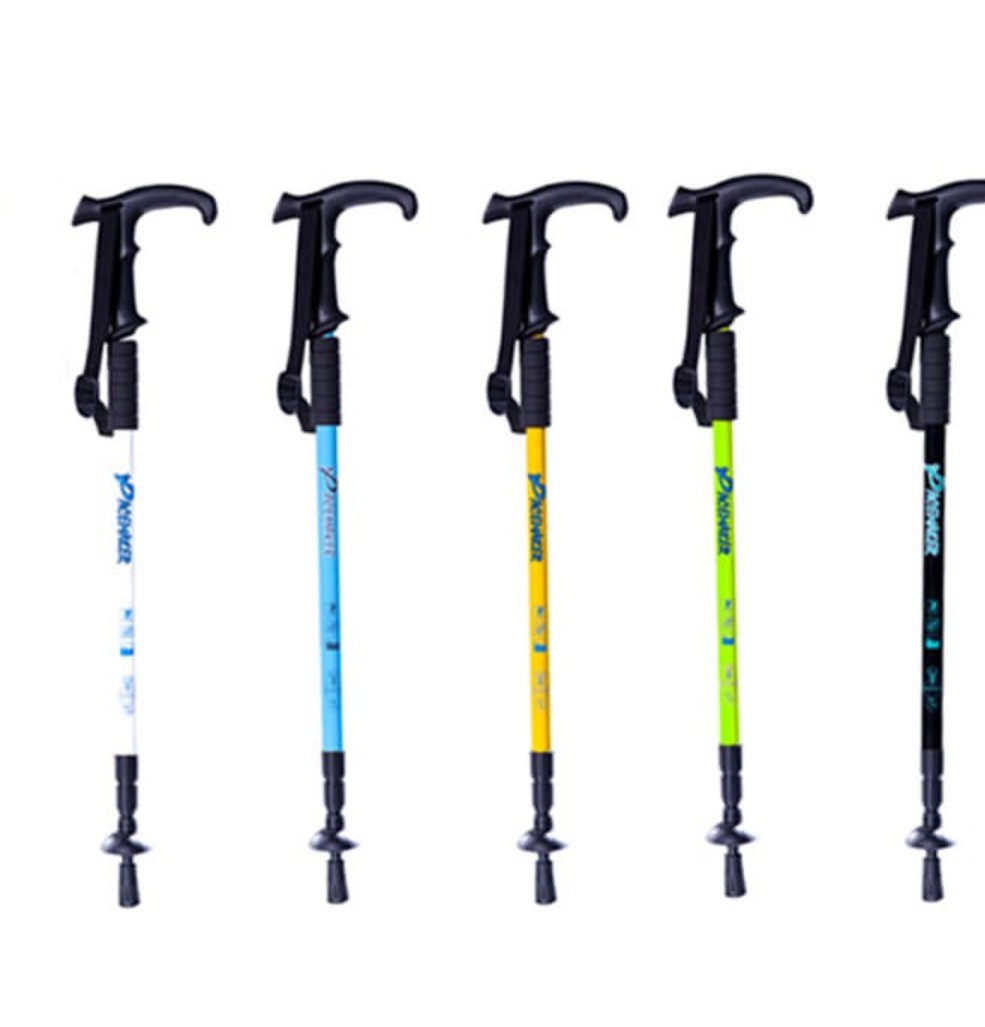
Best Trekking Poles for Kilimanjaro (2026 Climber’s Guide)
Best Trekking Poles for Kilimanjaro (2026 Climber’s Guide)
Climbing Mount Kilimanjaro is an unforgettable adventure, but proper preparation is essential. One item that many climbers overlook is trekking poles.
Whether you’re a beginner or experienced hiker, choosing the best trekking poles for Kilimanjaro can make your journey safer, more comfortable, and more enjoyable. In this guide, we’ll cover everything you need to know, including do you need trekking poles for Kilimanjaro, best pole options, tips for high-altitude trekking, and how to use them properly.
Do You Need Trekking Poles for Kilimanjaro?
This is one of the most common questions from climbers: do you need trekking poles for Kilimanjaro?
The answer is yes. While it’s possible to climb without them, trekking poles help:
Maintain balance on uneven terrain
Reduce strain on knees during descents
Improve energy efficiency by engaging your upper body
Increase confidence on slippery or steep paths
Even experienced hikers often bring poles because using trekking poles on Kilimanjaro improves stability and reduces fatigue during long days on the trail.
Benefits of Trekking Poles for Kilimanjaro
1. Improved Balance
The Kilimanjaro route includes rocky paths, loose gravel, and muddy sections. Trekking poles provide stability and help prevent slips or falls.
2. Reduced Knee Strain
Descending the mountain can be tough on your knees. Poles absorb some of the impact, making your hike less stressful physically.
3. Better Energy Management
Using trekking poles engages your arms, which spreads the effort across your body and helps you conserve energy.
4. Confidence on Challenging Terrain
When navigating steep or slippery sections, poles give you extra security, especially for first-time climbers.
How to Choose the Best Trekking Poles for Kilimanjaro
Not all poles are the same. Selecting the right type will make a significant difference during your climb.
Adjustable Height
Poles that can be lengthened or shortened allow you to optimize comfort for both uphill and downhill sections.
Lightweight Materials
Aluminum poles are durable, while carbon fiber poles are lighter, reducing fatigue on long hikes.
Comfortable Grip
Cork or foam handles are best for extended use, as they reduce sweating and prevent blisters.
Reliable Locking System
Ensure your poles lock securely. Loose poles can be dangerous on steep trails.
Top Trekking Poles for Kilimanjaro
Here are some recommended options used by climbers:
Black Diamond Trail Poles – durable and dependable for rough terrain
Black Diamond Trail Cork – comfortable grip, ideal for long days
Leki Makalu Lite – lightweight, easy to adjust
Silva Carbon Trekking Poles – strong yet light, reduces fatigue
Forclaz 1 Hiking Poles – budget-friendly, good for beginners
All these poles are suitable for high-altitude trekking, and choosing one depends on your personal preferences and budget.
Can You Rent Trekking Poles on Kilimanjaro?
Yes! Rental options are available on many tours. Renting is convenient if you don’t want to carry extra weight or don’t own high-quality poles.
Advantages of Renting:
Saves luggage space
Lower cost
Reliable quality
When to Bring Your Own:
If you prefer a specific brand or type
If you are used to a certain grip or feel
To ensure comfort for multiple treks
At Uprise Africa Tours, we can help arrange trekking poles rentals for your climb if needed.
How to Use Trekking Poles Properly
Proper use increases efficiency and prevents fatigue:
Adjust the height: elbows at 90 degrees for optimal posture
Use wrist straps correctly: hands go through from below
Walking technique: opposite arm and leg move together
Don’t over-rely on poles: use them for balance and support
Tips for Kilimanjaro Trekking Poles
Shorten poles on ascents
Lengthen poles on descents
Keep a steady rhythm
Avoid gripping too tightly
These tips improve efficiency and reduce hand or arm strain during your climb.
Common Mistakes Climbers Make
Many first-time trekkers misuse their poles:
Incorrect height adjustments
Ignoring wrist straps
Relying entirely on poles instead of walking naturally
Not using poles on descents
Avoiding these mistakes ensures you gain maximum benefit from your trekking poles.
Combining Trekking Poles with Other Gear
Trekking poles work best when combined with other essential equipment:
Good hiking boots for stability
Gloves for cold weather
Backpack with proper support
Sun protection (hat, sunglasses, sunscreen)
Together, these items create a safer and more comfortable trekking experience.
When Trekking Poles Make the Biggest Difference
Long descents from high altitude
Steep or rocky sections
Loose gravel paths
Summit night when fatigue is high
Even experienced hikers notice the greatest benefit on these sections, where stability and support are critical.
Trekking Poles for Beginners
If this is your first climb, poles are particularly helpful:
Improve balance
Reduce strain on joints
Increase confidence
Allow longer hiking days with less fatigue
Even those who normally hike without poles often choose them for Kilimanjaro because of the demanding terrain.
Why Proper Gear Matters for Kilimanjaro
Climbing Kilimanjaro is about more than reaching the summit. Proper gear, including trekking poles, ensures you enjoy the journey safely. At Uprise Africa Tours, we emphasize preparation and selecting the right equipment, as these small details can have a big impact on your climb.
Final Thoughts
Using the best trekking poles for Kilimanjaro makes your climb safer, more comfortable, and more efficient. Whether you bring your own or rent them, poles help you navigate challenging terrain, reduce fatigue, and protect your knees. With proper preparation, you’ll be ready to enjoy every step to the summit in 2026.
Tags: