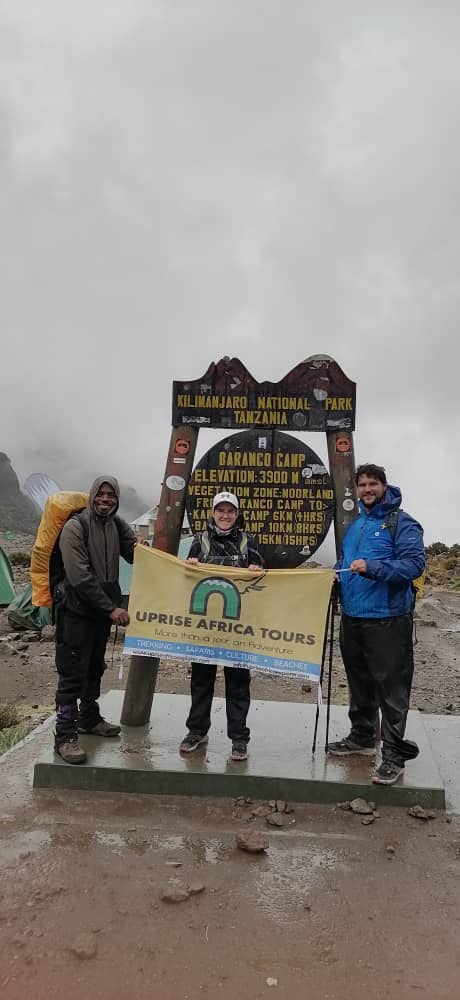
Climbing Kilimanjaro During the Rainy Season Complete Guide by Uprise Africa Tours
Climbing Kilimanjaro during the rainy season may seem challenging, but with the right preparation and guidance, it can be an unforgettable adventure. At Uprise Africa Tours, we specialize in Kilimanjaro guided tours rainy season, helping trekkers safely reach the summit even during wet months.
This guide will cover everything you need to know about climbing Kilimanjaro in the rainy season: routes, gear, advantages, challenges, and tips from our expert guides. Whether you’re an experienced trekker or a first-time climber, this blog will prepare you for a successful ascent.
Understanding Kilimanjaro’s Rainy Seasons
Kilimanjaro, located in Tanzania, has a unique climate. Instead of four distinct seasons, it alternates between wet and dry periods. Knowing these rainy seasons is crucial for planning your trek.
Long Rains (March–June)
Heavy rainfall is common, especially at lower elevations.
Trails can be muddy and slippery, requiring careful trekking.
Morning hikes are often drier than afternoons.
Short Rains (October–December)
Rain tends to be lighter but unpredictable.
Some days can be clear, offering spectacular views of the mountain and surrounding landscapes.
Despite the rains, it’s still possible to summit Kilimanjaro, and the experience is often more private and scenic than during the peak dry season.
Why Climb Kilimanjaro During the Rainy Season?
Many trekkers avoid the rainy season, but there are unique advantages to climbing during these months.
1. Lush, Vibrant Scenery
The rains transform Kilimanjaro into a green paradise. Forests are vibrant, flowers bloom, and wildlife is more active. Trekkers can enjoy stunning, photo-worthy landscapes.
2. Fewer Crowds
Most climbers travel during the dry season (January–March and June–October). During the rainy months, trails are quieter, camps are less crowded, and you get a more peaceful experience.
3. Off-Peak Pricing
Many tour operators, including Uprise Africa Tours, offer special rates for rainy season climbs. This can make your Kilimanjaro adventure more affordable.
4. Unique Summit Experience
Snow and clouds create dramatic, ever-changing conditions on the upper slopes. This can make summiting Kilimanjaro during the rainy season a once-in-a-lifetime experience.
Challenges of Climbing Kilimanjaro in the Rainy Season
While there are benefits, the rainy season also presents specific challenges:
1. Slippery and Muddy Trails
Rain makes some trails treacherous, particularly lower down in the rainforest zone.
Trekking poles and waterproof boots are highly recommended.
2. Unpredictable Weather
Weather can change quickly, with sudden showers or fog.
Views from the summit may be obscured by clouds.
3. Cold and Wet Conditions
High-altitude areas can be chilly, and wet clothing increases the risk of hypothermia.
Layering with waterproof and thermal gear is essential.
Despite these challenges, proper preparation and experienced guides can make rainy-season climbs safe and enjoyable.
Best Kilimanjaro Routes During the Rainy Season
Choosing the right route is critical for a successful trek. Here are the most recommended options for rainy season climbs:
1. Marangu Route
Also called the “Coca-Cola Route.”
Advantages: Hut accommodations keep trekkers dry, less muddy than tented routes.
Suitable for those who prefer structured sleeping arrangements and shorter daily hikes.
2. Rongai Route
Approaches Kilimanjaro from the north.
Advantages: Less steep, drier, and quieter during the rainy season.
Ideal for trekkers seeking a peaceful, off-peak climb.
3. Machame Route (with caution)
Offers breathtaking scenery but can be slippery in heavy rain.
Recommended for experienced trekkers prepared for muddy trails.
Pro Tip: When planning your rainy-season climb, compare Marangu vs Rongai rainy season advantages to select the route that best fits your experience level and preferences.
Essential Gear for the Rainy Season
Proper gear is critical for a safe and comfortable climb. Uprise Africa Tours always provides a detailed packing list, but here’s a summary of essentials:
Clothing
Waterproof jacket and pants
Thermal base layers
Fleece or insulated mid-layer
Quick-dry shirts and trekking pants
Footwear
Waterproof hiking boots with good grip
Gaiters to prevent mud and water from entering boots
Accessories
Trekking poles
Waterproof backpack cover
Gloves, hat, and sunglasses
Headlamp for early morning or foggy hikes
Extras
Dry bags for electronics and clothing
Lightweight tent (if not on hut-based route)
First-aid kit and altitude medication
By having the right gear, you can fully enjoy climbing Kilimanjaro during the rainy season without discomfort or risk.
Advantages of Rainy Season Climbing
Let’s explore in more detail why some trekkers prefer the rainy season:
1. Privacy and Solitude
Trails are less crowded, meaning a more personal experience.
Camps are quieter, perfect for reflection and enjoying nature.
2. Wildlife and Flora
Forests are lush and alive with birds, monkeys, and other wildlife.
Flowers and moss-covered trees create magical scenery.
3. Better Photography
Dramatic clouds, fog, and glistening landscapes create unique photography opportunities.
Safety Tips for Rainy Season Treks
Safety is paramount, especially during wet months. Here are essential tips:
Hire an Experienced Guide – Uprise Africa Tours’ guides know how to navigate slippery trails and unpredictable weather.
Start Early – Morning hikes often avoid afternoon rain.
Monitor Weather – Bring a waterproof map and weather updates.
Stay Warm and Dry – Layering prevents hypothermia.
Use Trekking Poles – Essential for balance on muddy slopes.
Expert Tip: Even in the rainy season, it’s possible to reach the summit if you pace yourself, stay hydrated, and follow guides’ instructions carefully.
Packing List
Consider providing a downloadable packing checklist on your blog. Example items:
Clothing layers (thermal, fleece, waterproof)
Footwear and socks
Trekking poles
Backpack cover
Personal items (medications, sunscreen, toiletries)
Camera or smartphone
Providing this adds extra value, keeping readers on your site and increasing your SEO credibility.
Client Testimonials and Experiences
Sharing real experiences reinforces credibility:
“I climbed Kilimanjaro with Uprise Africa Tours in April, during the short rains. The guides were amazing, the trails were manageable, and I reached the summit safely. Highly recommend!” – Sarah M.
“We did the Rongai route with Uprise Africa Tours in May. Despite the rain, the scenery was breathtaking, and the team took care of every detail. Best trekking experience ever!” – David L.
These testimonials naturally include keywords like “climbing Kilimanjaro in April” and “rainy season trek.”
FAQs About Rainy Season Climbs
Q1: Can you summit Kilimanjaro in April or May?
Yes. With proper preparation, guided tours, and the right gear, climbers can reach the summit even during the wet months.
Q2: Which route is best during the rainy season?
Marangu for hut-based comfort, Rongai for quieter, less muddy trails, Machame only for experienced trekkers.
Q3: Do I need special gear for rainy season treks?
Absolutely. Waterproof clothing, boots, trekking poles, and layers are essential.
Q4: Are there advantages to climbing in the rainy season?
Yes fewer crowds, lush scenery, and potential discounts make it appealing for some trekkers.
Why Choose Uprise Africa Tours for Rainy Season Climbs?
At Uprise Africa Tours, we specialize in Kilimanjaro guided tours rainy season, offering:
Experienced guides familiar with rainy season challenges
Personalized trekking itineraries
Full preparation advice and packing support
Access to Marangu, Rongai, and Machame routes with safety in mind
Our goal is to make your rainy season climb safe, enjoyable, and unforgettable.
Conclusion
Climbing Kilimanjaro during the rainy season is a unique and rewarding adventure. With proper planning, the right gear, and guidance from Uprise Africa Tours, you can experience lush landscapes, fewer crowds, and a truly memorable trek.
Whether you’re interested in the Marangu or Rongai route, or want personalized advice on gear and safety, our team is ready to help you summit Kilimanjaro during the rainy season successfully.
Book your Kilimanjaro rainy season tour with Uprise Africa Tours today and experience the magic of Africa’s highest peak like never before.
Tags: