Drone Permit Requirements in Tanzania & Mount Kilimanjaro 2025 Guide
Drone Permit Requirements in Tanzania & Mount Kilimanjaro (2025 Guide)
Introduction
Drone photography has revolutionized the way travelers capture landscapes. Tanzania, home to Mount Kilimanjaro, the Serengeti, and Ngorongoro Crater, offers some of the most spectacular aerial views in the world. But before flying a drone here, it’s important to understand the legal requirements, especially in protected areas.
At Uprise Africa Tours, we help travelers and filmmakers navigate Tanzania’s drone laws, ensuring you fly safely, legally, and responsibly. This guide covers everything from TCAA registration to filming on Mount Kilimanjaro.
Why Drone Permits Are Required in Tanzania
Tanzania has strict rules around drone usage to protect:
Wildlife and natural habitats
Visitors’ safety
National park regulations
Air traffic safety
All drones must be registered, and operators need official permission from the Tanzania Civil Aviation Authority (TCAA). Flying without a permit can result in fines, confiscation of equipment, or legal consequences.
Governing Authorities for Drone Use
1. Tanzania Civil Aviation Authority TCAA – Responsible for drone registration, flight permissions, and ensuring air safety.
2. Tanzania National Parks Authority (TANAPA) – Regulates drone flights in national parks, including Kilimanjaro National Park.
3. Local Security & Aviation Offices – May impose additional restrictions depending on location.
Flying a Drone on Mount Kilimanjaro
Mount Kilimanjaro, Africa’s highest peak at 5,895 meters, is inside a protected conservation area. Unauthorized drone flights are strictly prohibited for several reasons:
Environmental Protection: The fragile alpine ecosystem and glaciers are sensitive to disturbances.
Air Safety: The climbing routes are crowded, and drones could interfere with climbers or helicopters.
Privacy & Ethics: Mount Kilimanjaro attracts thousands of hikers yearly; drones can invade privacy.
Even experienced drone operators must obtain prior approval from TCAA and TANAPA. At Uprise Africa Tours, we advise travelers to respect these regulations and plan filming carefully.
Step-by-Step: How to Apply for a Drone Permit in Tanzania
1. Register Your Drone with TCAA
All drones must be registered, providing details such as:
Drone make, model, and serial number
Operator information name, nationality, contact details
Purpose of use commercial, recreational, filming
2. Submit a Flight Plan
Authorities require a detailed flight plan including:
Location coordinates
Dates and times of intended flights
Safety measures and emergency protocols
3. Apply for National Park Permits (if needed)
Flying inside national parks like Kilimanjaro requires additional approvals from TANAPA. Include:
Project description
Number of drones and operators
Duration of filming
4. Pay Fees and Wait for Approval
Processing can take 2–6 weeks depending on the complexity of your request. Planning ahead is crucial.
Drone Photography Tips for Tanzania
Even with legal permits, it’s important to follow best practices:
Time of Day: Sunrise and sunset offer the best lighting for aerial shots.
Altitude: Keep drones at safe heights, respecting wildlife and climbers.
Camera Settings: Use high-resolution settings and stabilize your drone.
Weather Conditions: Kilimanjaro’s weather changes quickly; avoid flying in strong winds or clouds.
Respect Wildlife: Do not disturb animals, especially in national parks.
Alternatives if You Cannot Fly a Drone
Even without a permit, you can capture amazing visuals:
1. Hire Licensed Drone Operators: Local companies already have permits for filming in national parks.
2. Professional Photographers: Capture summit or trekking photos legally.
3. Optimal Viewpoints: Certain trails and viewpoints offer panoramic shots without needing a drone.
4. Stock or Licensed Footage: Some companies sell drone footage of Kilimanjaro for commercial or personal use.
Why Choose Uprise Africa Tours
We offer travelers:
Expert Guidance: Help with understanding Tanzania’s drone regulations.
Permit Assistance: Guidance through applications for legal filming.
Custom Itineraries: Plan trips that maximize photographic opportunities while staying legal.
Responsible Travel: Support ethical and eco-friendly drone usage.
Frequently Asked Questions
Do I need a drone permit in Tanzania?
Yes, all drones must be registered with TCAA, and flights in protected areas require additional permits.
Can I fly a drone on Mount Kilimanjaro?
Only with approvals from TCAA and TANAPA. Unauthorized flights are prohibited.
How long does it take to get a drone permit?
Permit processing typically takes 2–6 weeks. Apply well before your trip.
Who regulates drone usage in national parks?
TANAPA is responsible for national park areas, while TCAA oversees general airspace.
Can Uprise Africa Tours help with drone permits?
Yes. We guide travelers through the legal process, advise on safe flying, and provide alternative solutions if permits aren’t approved.
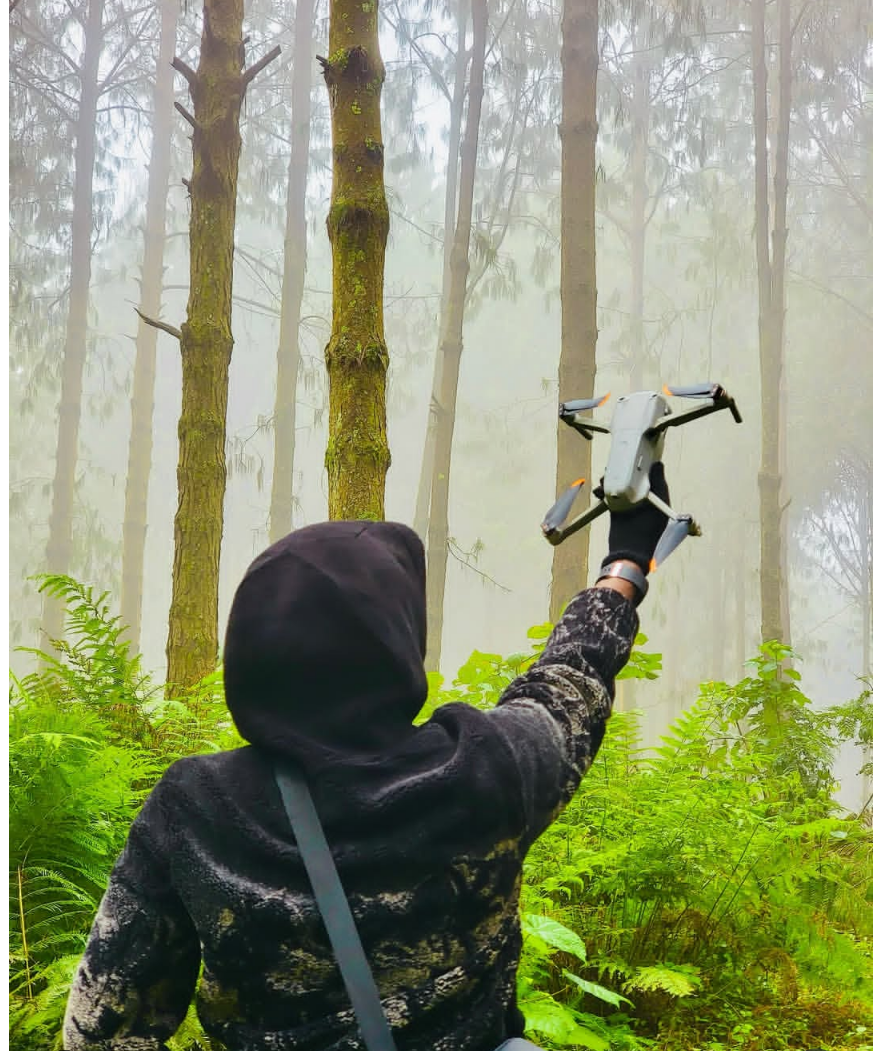
Drone flying over Mount Kilimanjaro, Tanzania
Hikers on trekking routes near the summit
Learn drone permit rules in Tanzania & Mount Kilimanjaro. Uprise Africa Tours guides you on legal approvals, regulations, and safe aerial filming.
Conclusion
Flying drones in Tanzania, especially around Mount Kilimanjaro, requires careful planning, permits, and respect for wildlife and visitors. By following the regulations and working with Uprise Africa Tours, travelers can enjoy safe, legal, and breathtaking aerial photography.
Plan ahead, apply for permits early, and make your Tanzanian adventure unforgettable—both on the ground and in the skies
Tags: