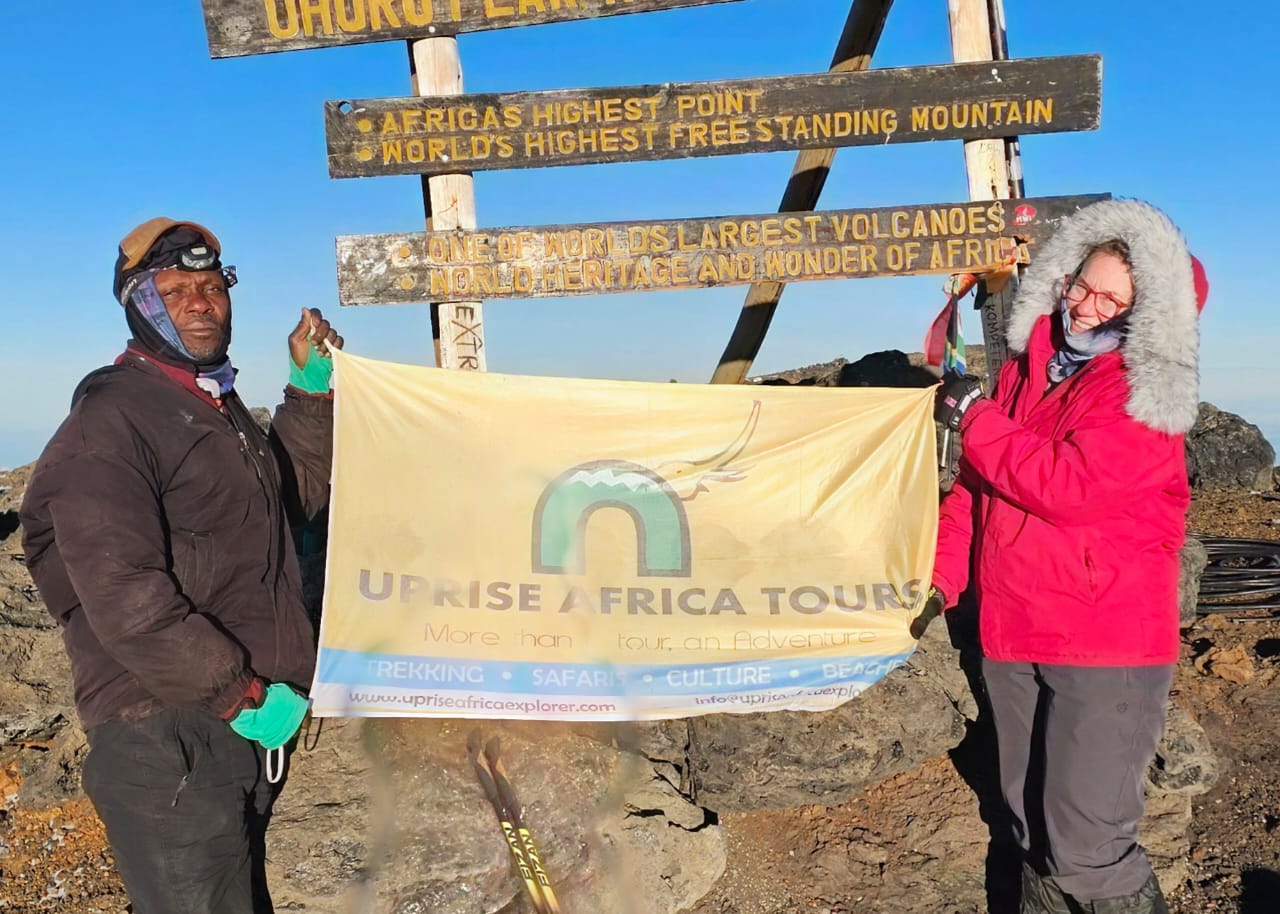
How Many Days Do You Need to Climb Kilimanjaro Safely
How Many Days Do You Need to Climb Kilimanjaro Safely? | Uprise Africa Tours
Climbing Mount Kilimanjaro, Africa’s tallest peak at 5,895 meters (19,341 feet), is the ultimate adventure for thrill-seekers. At Uprise Africa Tours, we specialize in making this dream a reality — safely and memorably. Success on Kilimanjaro isn’t just about fitness; it’s about proper planning, pacing, and acclimatization. In this guide, we’ll show you the ideal number of days for your trek, the best routes, tips to avoid altitude sickness, and how Uprise Africa Tours ensures a safe summit experience.
Why Acclimatization is Critical
At high altitudes, oxygen levels drop significantly. Climbing too quickly can lead to altitude sickness, which ranges from mild headaches and nausea to serious complications.
Proper acclimatization allows your body to adjust gradually, making your trek safer and more enjoyable. With the right itinerary, like those offered by Uprise Africa Tours, your chance of reaching the summit increases dramatically.
Key takeaway: “Slow and steady wins the summit
How Many Days Should You Spend on Kilimanjaro?
While some trekkers attempt 5–6 day climbs, we recommend 7–8 days for first-time climbers. Longer treks allow:
Gradual altitude adaptation
More rest and recovery
Reduced risk of altitude sickness
Higher likelihood of reaching Uhuru Peak
Best Kilimanjaro Routes and Recommended Duration
At Uprise Africa Tours, we guide trekkers on all major Kilimanjaro routes. Here’s how they compare:
Route Typical Duration Difficulty Best For Acclimatization Summit Success Rate Notes
Lemosho 7–8 days Moderate Beginners & first-time climbers Excellent 85–90% Recommended by Uprise Africa Tours for scenic views and gradual ascent
Machame 6–7 days Moderate-High Experienced beginners Good 75–85% Popular route; guided by our expert trekking teams
Marangu 5–6 days Moderate Short on time Moderate 60–70% “Coca-Cola route,” hut accommodation, supported by our guides
Rongai 6–7 days Moderate Beginners preferring quiet Good 70–80% Northern approach, less crowded, ideal for private tours
Northern Circuit 8–9 days Moderate Adventure seekers Excellent 85–95% Longest, remote, panoramic scenery; fully guided by Uprise Africa Tours
Pro Tip: Longer treks increase your summit success. Many reports show that 7–8 day climbs have the highest safe success rates.
Tips for Effective Acclimatization
1. Climb high, sleep low – Hike to higher points during the day, then return to sleep lower.
2. Stay hydrated – Drink plenty of water to prevent dehydration and aid acclimatization.
3. Move slowly – Allow your body to adjust gradually to each elevation.
4. Rest when necessary – Listen to your body and take breaks.
5. Extra rest days – Incorporate a rest day at mid-route camps like Shira or Barranco for optimal acclimatization.
6. Consider medication – Acetazolamide can help under medical supervision.
At Uprise Africa Tours, our guides monitor trekkers’ health and adjust the pace to maximize safety and comfort.
Frequently Asked Questions
Q: Can I summit Kilimanjaro in 5 days?
A: While possible, it’s risky. Short climbs provide less time for your body to adapt. Longer treks improve safety.
Q: Which route is best for beginners?
A: Lemosho or Northern Circuit. They offer gradual ascents and scenic landscapes, ideal for first-time climbers.
Q: How do I prevent altitude sickness?
A: Slow pace, hydration, proper rest, and expert guidance — like the kind you get from Uprise Africa Tours.
Q: How hard is climbing Kilimanjaro in 6 days?
A: It’s challenging but feasible for fit trekkers. Expect fatigue and a higher risk of altitude sickness.
Q: How many rest days are needed?
A: One or two, typically mid-route, to allow your body to adjust and increase summit success.
Preparing for Your Kilimanjaro Trek
Physical Training: Aerobic exercises, long hikes with backpacks, stair climbing.
Gear Essentials: Layered clothing, waterproof jackets, trekking poles, gloves, hats, and sleeping bags rated for sub-zero temperatures.
Mental Preparation: Early mornings, long days, and cold nights at high altitude require focus and resilience.
Logistics: Book guides, porters, and park permits in advance — all included in our Uprise Africa Tours package
Why Choose Uprise Africa Tours?
Experienced guides who prioritize safety and acclimatization.
Customizable itineraries for beginners, experienced trekkers, and private groups.
High summit success rate with careful route planning and pacing.
Full support including porters, meals, accommodations, and tips for safe trekking.
With Uprise Africa Tours, you don’t just climb Kilimanjaro — you enjoy it safely, comfortably, and memorably.
Conclusion
Climbing Kilimanjaro is a life-changing adventure, but success depends on planning, pacing, and acclimatization. Most climbers find 7–8 days ideal for a safe, enjoyable trek. Longer routes reduce risks, increase summit success, and let you fully appreciate the breathtaking landscapes.
Ready to summit Kilimanjaro with confidence? Contact Uprise Africa Tours today and let our expert guides take you from base to summit safely
Tags: