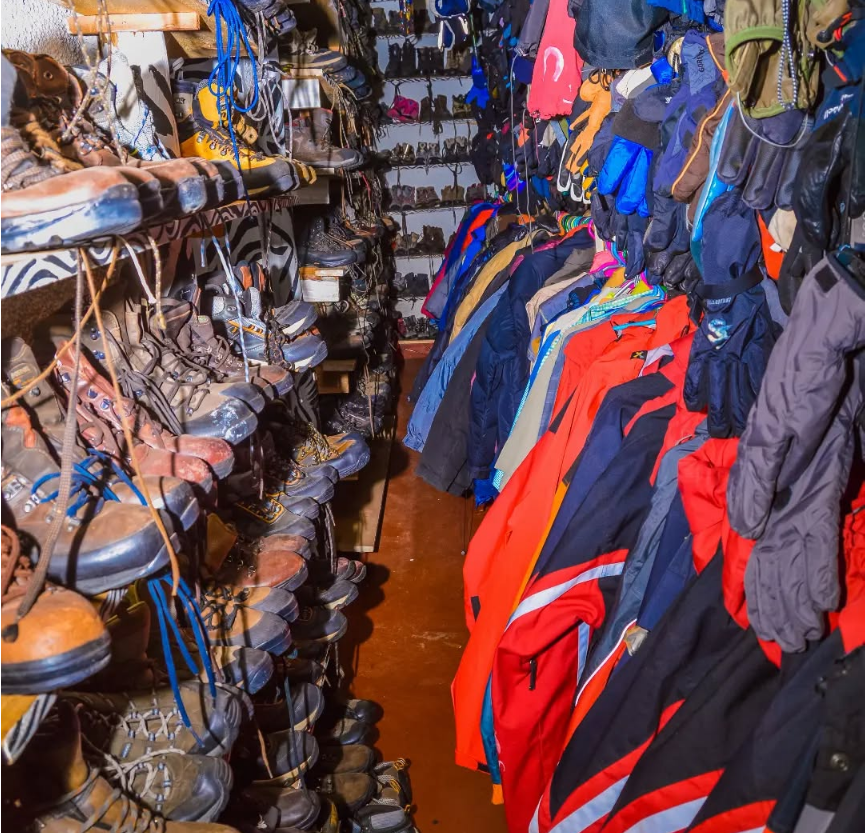
Rental Equipment for Kilimanjaro: What to Rent, What to Bring, and Costs 2025 Guide
Climbing Mount Kilimanjaro is a dream adventure for thousands of travelers every year. But preparing for the trek can feel overwhelming, especially when it comes to gear and equipment. The good news? You don’t need to buy everything — many items can be rented locally in Moshi or Arusha, saving you money and packing hassle.
In this guide, we’ll cover:
What to rent vs. what to bring yourself
Typical rental costs in 2025
Tips for choosing quality equipment
A complete checklist for climbers
Whether it’s your first time on Kilimanjaro or you’re returning for another summit, this guide will help you prepare confidently.
Why Renting Gear Makes Sense
High-altitude gear can be expensive and bulky. Renting allows you to:
Save money on expensive equipment like down jackets and sleeping bags
Avoid shipping heavy gear internationally
Access gear that’s regularly inspected and maintained
At Uprise Africa Tours, we help climbers source reliable rental equipment to ensure a safe and comfortable trek.
Essential Gear to Rent
Here’s a breakdown of the most commonly rented items and their typical costs:
Gear Item Rental Cost (USD)
Down Jacket $20
Sleeping Bag (-20°C) $35
Trekking Poles $10–$15
Headlamp $15
Gaiters $10
Thermal Pants $15
Fleece Jacket $20
Poncho / Rain Cover $15
Duffel Bag for Porters $20
Water Bottle / Hydration Pack $5
On average, climbers spend around $60–$120 total on rental gear, depending on how many items they need.
What You Should Bring Yourself
Some items are better to own rather than rent:
Hiking Boots: Always broken-in to prevent blisters
Moisture-Wicking Base Layers: Comfort is key at high altitude
Socks and Underlayers: Personal hygiene + comfort
Sunglasses (UV-protective)
Personal Medications and Hygiene Items
Snacks / Energy Gels / Electrolytes
Anything that touches your skin for long periods should be personal — renting these increases risk of discomfort or hygiene issues.
Tips for Choosing Rental Gear
1. Inspect before accepting: Check zippers, seams, and insulation.
2. Sanitation matters: Ask if sleeping bags and jackets are cleaned between uses.
3. Try it on: Make sure the gear fits over your clothing layers.
4. Test the headlamp: Night climbs require reliable lighting.
5. Confirm cold-weather rating: Especially for sleeping bags (-20°C recommended).
Complete Kilimanjaro Rental Checklist
Rent:
Down jacket
Sleeping bag
Trekking poles
Fleece jacket
Gaiters
Headlamp
Duffel bag for porters
Bring Yourself:
Hiking boots
Base layers / thermal underwear
Personal socks and gloves
Sunglasses
Medications and toiletries
Snacks / energy bars
Following this checklist ensures you’re prepared without overpacking or overspending.
Why Choose Uprise Africa Tours for Your Kilimanjaro Adventure
At Uprise Africa Tours, we provide:
Reliable rental gear in Moshi and Arusha
Expert advice on what to rent vs. bring
Assistance with packing lists and pre-climb preparation
Guided support to make your climb safe, enjoyable, and memorable
Whether it’s your first summit or you’re returning, we help climbers of all levels reach the top confidently.
Q: Can I rent all my gear for Kilimanjaro?
A: Yes, most high-altitude equipment like jackets, sleeping bags, trekking poles, and insulated layers can be rented locally.
Q: Should I rent or buy hiking boots?
A: Always bring your own broken-in boots — comfort and fit are critical at high altitudes.
Q: How much does renting gear cost?
A: Typically, climbers spend $60–$120 depending on how many items they rent.
Q: Is the rental gear clean?
A: Reputable companies, including those recommended by Uprise Africa Tours, sanitize and inspect all equipment between uses.
Renting equipment for Kilimanjaro is a smart, budget-friendly way to tackle this epic adventure without sacrificing comfort or safety. By knowing what to rent, what to bring yourself, and the expected costs, you’ll be fully prepared for a successful climb.
At Uprise Africa Tours, we help you source reliable rental gear, create a personalized checklist, and guide you every step of the way — making your Kilimanjaro experience unforgettable.
Tip: Start planning early! Gear rentals are in high demand, especially during the peak climbing season
Tags: