
Best Time to Climb Mount Kilimanjaro: Weather, Seasons & Tips | Uprise Africa Tours
Best Time to Climb Mount Kilimanjaro: Weather, Seasons & Tips | Uprise Africa Tours
Climbing Mount Kilimanjaro is a dream adventure for travelers worldwide. But one of the most common questions is: When is the best time to climb Kilimanjaro? At Uprise Africa Tours, we guide trekkers on the safest and most enjoyable routes, and timing your Kilimanjaro climb can make a huge difference in your experience.
In this guide, we’ll explain Kilimanjaro weather, the best months to climb Kilimanjaro, what to expect during each season, and tips to plan your trek successfully.
Understanding Kilimanjaro’s Climate Zones
Mount Kilimanjaro has five distinct climate zones, and each affects your trekking experience differently:
Rainforest Zone (1,000–2,800 m / 3,300–9,200 ft)
Warm and humid, with afternoon rains during wet months
Lush vegetation, waterfalls, and diverse wildlife
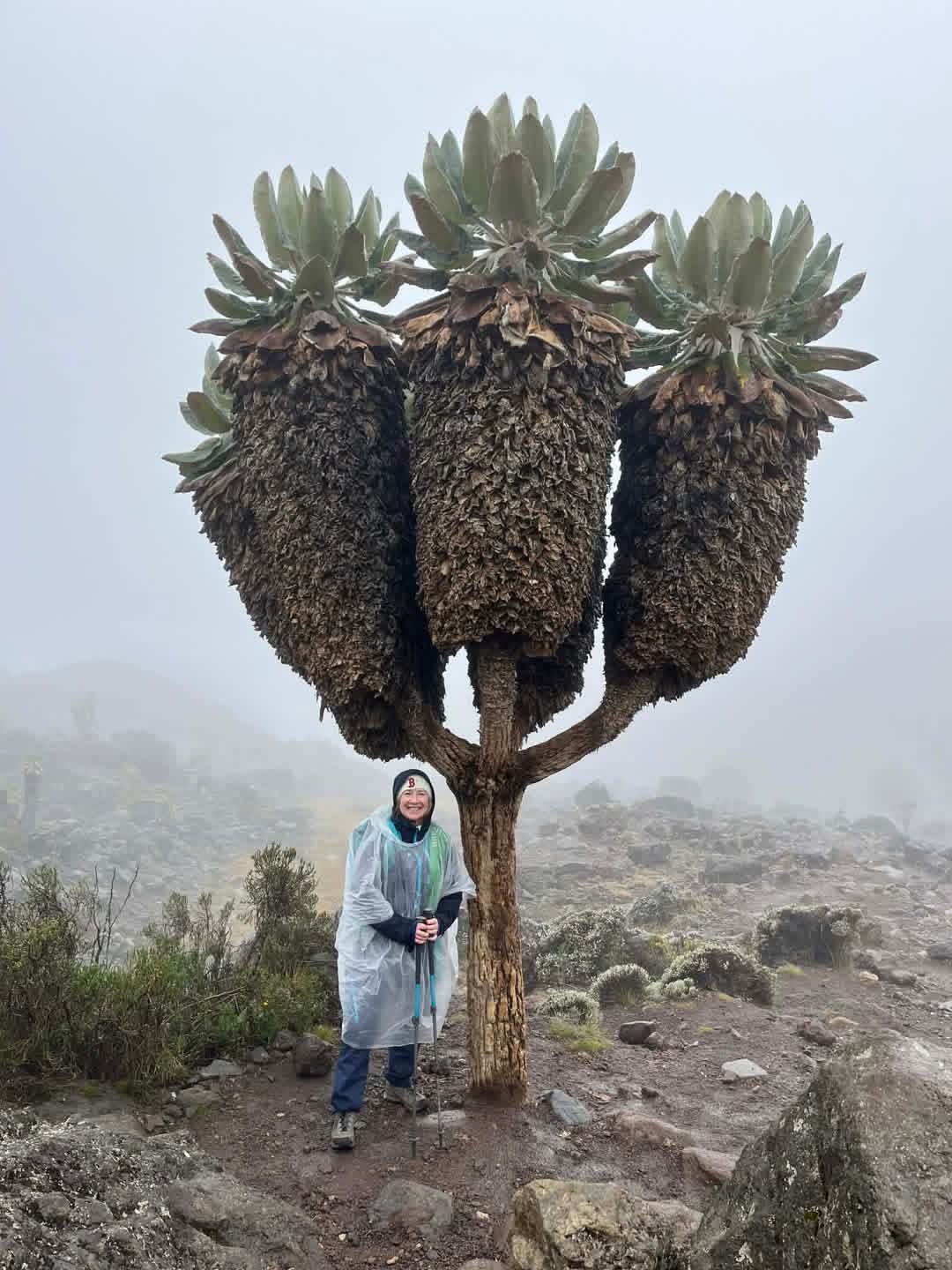
Moorland Zone (2,800–4,000 m / 9,200–13,100 ft)
Cooler, drier, sparse vegetation
Dramatic landscapes with giant heathers and endemic plants
Alpine Desert (4,000–5,000 m / 13,100–16,400 ft)
Very dry, rocky terrain, extreme temperature changes
Thin air and exposure to sun and wind
Summit / Arctic Zone (5,000–5,895 m / 16,400–19,341 ft)
Freezing temperatures, strong winds, occasional snow
The final ascent requires proper gear and preparation
Timing your Kilimanjaro climb carefully helps you avoid heavy rains in the lower zones while maximizing your chances of clear skies at the summit.
When Is the Best Time to Climb Kilimanjaro?
Dry Season: June to October
Pros:
Cool, dry conditions
Clear skies for stunning summit views
Low chance of rain or muddy trails
Cons:
Busier routes, especially Machame and Marangu
Higher demand for guides and accommodations
This is the most popular time to climb Kilimanjaro and ideal for first-time trekkers.
Dry Season: January to March
Pros:
Warm temperatures at lower altitudes
Generally dry trails
Fewer crowds than June–October
Cons:
Afternoon thunderstorms possible
Summit nights can be colder than June–October
This period is great for adventurers looking for a quieter Kilimanjaro climb.
Rainy Seasons
Long rains: March to May
Short rains: November
Cons:
Slippery trails and muddy conditions
Higher risk of altitude-related issues due to wet gear
Cloudy summit, limited visibility
Pros:
Lush rainforest scenery
Lower prices on tours
At Uprise Africa Tours, we recommend avoiding heavy rainy months unless you are prepared for wet conditions.
How Kilimanjaro Weather Affects Your Climb
Rain: Can make trails slippery and streams difficult to cross.
Wind: Strong winds above 4,500 meters can make summit night more challenging.
Temperature: Even in the dry season, summit nights can drop to -10°C (14°F) or lower.
Visibility: Clear skies are more common in the dry season, giving unforgettable views from the summit.
Proper preparation and layering are essential. Uprise Africa Tours provides guidance on gear and clothing to ensure safety and comfort.
Choosing the Right Route for the Season
Some Kilimanjaro routes handle weather better than others:
Machame Route: Popular year-round, offers excellent acclimatization, especially clear skies in dry months
Marangu Route: Best in January–March and June–October; huts keep you dry during light rains
Lemosho & Rongai Routes: Ideal for avoiding crowds, scenic views; handle light rains well
Our guides at Uprise Africa Tours can help you select the best route based on your experience, fitness, and desired climbing season.
Tips for Planning Your Kilimanjaro Trek
Book Early: Popular months fill quickly — secure guides, porters, and accommodations early.
Train Beforehand: Hiking, stair climbing, and cardio improve stamina for high-altitude trekking.
Pack for Layering: Moisture-wicking base layers, mid-layers, insulated jackets, and waterproof gear are essential.
Acclimatize Properly: Slow pacing, hydration, and rest days reduce the risk of altitude sickness.
Check the Weather Forecast: Even dry-season climbs can experience sudden rain or cloud cover.
FAQ Section
What is the coldest month to climb Kilimanjaro?
June to October nights are the coldest at the summit, often below -10°C (14°F). Summit night feels colder due to wind chill.
Can I climb Kilimanjaro during the rainy season?
Yes, but trails may be slippery, and visibility can be limited. Uprise Africa Tours can recommend the best routes for wet conditions.
Which is the best month for clear summit views?
Dry months — January–March and June–October — have the clearest skies and best summit views.
Is there a month to avoid climbing Kilimanjaro?
Long rains (March–May) are the most challenging. Short rains (November) are manageable with proper gear.
Can beginners climb in any season?
Yes. With proper planning and guidance from Uprise Africa Tours, beginners can safely climb in both dry and mild wet seasons.
Why Choose Uprise Africa Tours?
Experienced guides familiar with seasonal conditions
Safe acclimatization schedules for all routes
Support staff and porters to carry luggage
Customized itineraries based on fitness and weather
24/7 on-mountain assistance
Your climb is more than just reaching the summit — it’s about enjoying every stage. Uprise Africa Tours ensures safety, comfort, and unforgettable experiences.
Conclusion
The best time to climb Kilimanjaro depends on your priorities:
Clear skies & dry trails: January–March, June–October
Fewer crowds & lush scenery: November
Avoid if possible: March–May
With preparation, proper timing, and expert guidance from Uprise Africa Tours, climbers of all levels can reach Uhuru Peak safely and enjoy one of the most incredible adventures in the world. Start planning your Kilimanjaro adventure today!