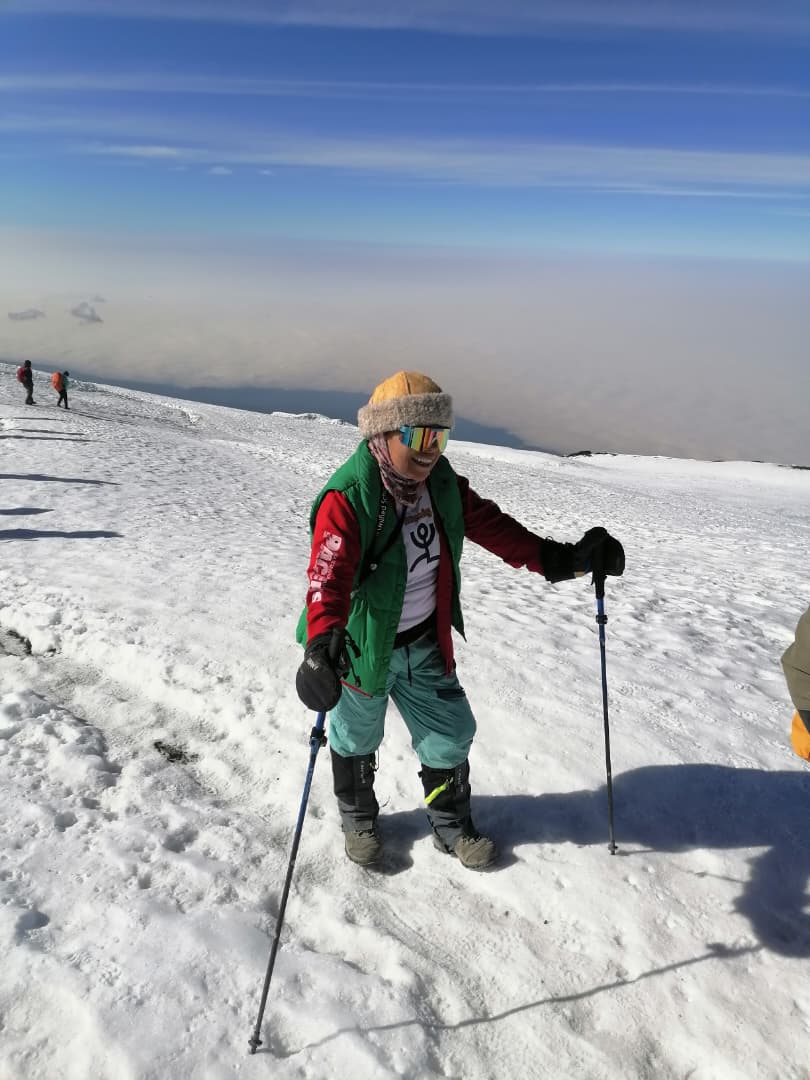
Do You Need Acclimatization for Mount Kilimanjaro? Complete Guide for Beginners
Do You Need Acclimatization for Mount Kilimanjaro? A Complete Beginner’s Guide
Climbing Mount Kilimanjaro is one of the most iconic trekking adventures in the world. Every year, thousands of hikers attempt to reach the summit—but many underestimate one critical factor that decides success or failure: acclimatization.
So, do you really need acclimatization for Kilimanjaro?
Yes—absolutely. In fact, it is one of the most important parts of a safe and successful climb.
What Is Acclimatization?
Acclimatization is the process of your body adjusting to lower oxygen levels at high altitude. As you climb higher on Kilimanjaro, the air becomes thinner, meaning your body receives less oxygen with every breath.
Without proper adjustment, your body struggles to function normally, which can lead to altitude-related illness.
One of the most common conditions is Acute Mountain Sickness (AMS), which affects many climbers who ascend too quickly.
Why Acclimatization Is So Important on Kilimanjaro
Unlike many other trekking peaks, Kilimanjaro is a rapid ascent mountain. You start in tropical forest and reach near-arctic conditions in just a few days.
Because of this fast elevation gain, your body has very little time to adapt naturally.
Without acclimatization, you may experience:
Headaches
Nausea
Dizziness
Shortness of breath
Extreme fatigue
In severe cases, AMS can force climbers to descend before reaching the summit.
How Your Body Adapts to High Altitude
When you ascend slowly, your body makes gradual adjustments such as:
Increasing breathing rate
Producing more red blood cells
Improving oxygen efficiency
These changes take time. That is why slow ascent is the key to a successful Kilimanjaro climb.
The Golden Rule: “Climb High, Sleep Low”
One of the most effective acclimatization techniques used on Kilimanjaro is:
Climb to a higher altitude during the day, then sleep at a lower altitude.
This method helps your body experience altitude stress during activity but recover at night.
Most well-designed routes include this strategy naturally.
Best Kilimanjaro Routes for Acclimatization
Not all routes offer the same acclimatization quality. Some are much safer and more successful than others.
Lemosho Route
One of the best for gradual ascent
Excellent scenery
High summit success rate
Machame Route
Popular and well-balanced
Includes natural “climb high, sleep low” profile
Good for fit beginners
Northern Circuit Route
Longest route on Kilimanjaro
Best acclimatization overall
Highest success rate
Shorter routes (like 5–6 day climbs) are not recommended for most beginners due to limited acclimatization time.
How Many Days Do You Need?
The number of days directly affects your success rate.
5–6 days: High risk of altitude sickness
7–8 days: Good balance of safety and time
9 days: Best acclimatization and highest success rates
For most climbers, 7–9 days is ideal.
Tips to Improve Acclimatization
Even with a good route, your habits matter. Here’s how to improve your chances:
1. Walk Slowly
Locals say “pole pole” (slowly, slowly). This is not just advice—it’s survival strategy.
2. Stay Hydrated
Drink 3–4 liters of water daily to help your body adjust.
3. Eat Properly
Even if you lose appetite at altitude, try to eat enough for energy.
4. Sleep Well
Rest helps your body recover and adapt.
5. Listen to Your Guide
Professional guides monitor your symptoms daily and make safety decisions.
Warning Signs You Should Not Ignore
Early signs of altitude sickness include:
Persistent headache
Loss of appetite
Unusual fatigue
Nausea or vomiting
If symptoms worsen, the only safe solution is to descend.
Good guides will always prioritize safety over summit success.
Can Fitness Replace Acclimatization?
No.
Being fit helps you walk longer and recover faster, but it does not prevent altitude sickness.
Even very fit athletes can struggle if they ascend too quickly.
Acclimatization is about physiology, not fitness.
Final Verdict: Do You Need Acclimatization for Kilimanjaro?
Yes—acclimatization is essential if you want to reach the summit safely and successfully.
The key to success on Mount Kilimanjaro is not speed or strength—it is patience, slow ascent, and proper planning.
Choosing the right route and allowing your body time to adapt dramatically increases your summit chances and reduces the risk of Acute Mountain Sickness.
Climb Safely with Uprise Africa Tours
At Uprise Africa Tours, we design Kilimanjaro climbs with proper acclimatization built into every itinerary—because reaching the summit should be safe, not rushed.
Tags: