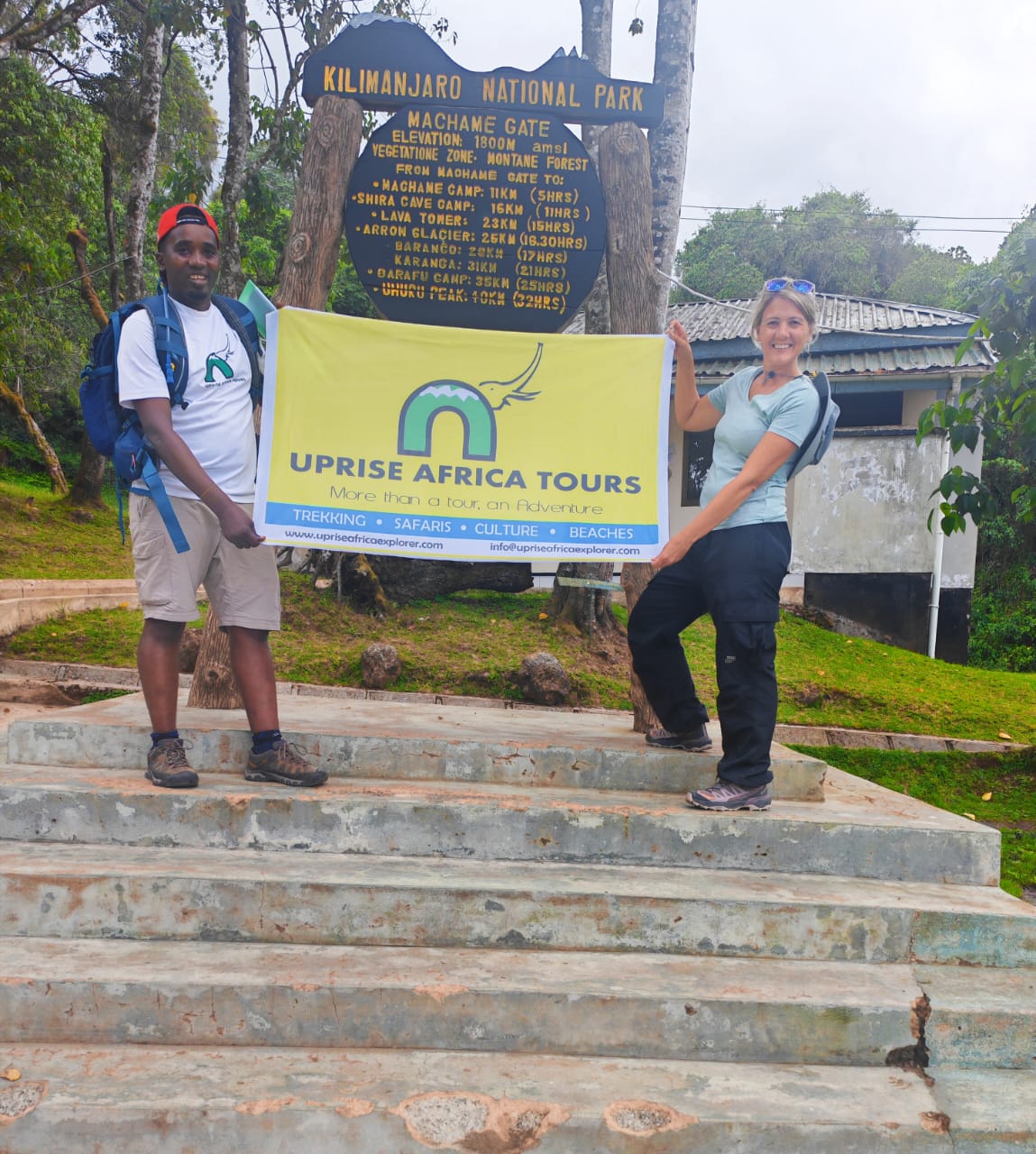
Can You Climb Kilimanjaro in One Day? Records, Risks & Expert Tips | Uprise Africa Tours
Can You Climb Kilimanjaro in One Day? Records, Risks & Expert Tips | Uprise Africa Tours
Introduction
Many dream of conquering Mount Kilimanjaro, Africa’s tallest peak, but is it possible to do it in just one day? For most climbers, reaching the summit is a multi-day adventure that typically takes 5–9 days. This allows time to acclimatize to the altitude, enjoy the scenery, and ensure a safe climb.
At Uprise Africa Tours, we guide trekkers of all levels safely to the summit, helping them make the most of every step. In this article, we explore whether a one-day Kilimanjaro climb is possible, share speed climbing records, explain the risks, and give expert tips for preparation.
Record Kilimanjaro Speed Climbs
While most climbers take multiple days, elite athletes have achieved incredible speed climbs. The most famous example is Karl Egloff, a professional mountain athlete, who climbed up and down Kilimanjaro in 6 hours and 42 minutes. This record is extraordinary and demonstrates the physical limits of human endurance at high altitudes.
These one-day ascents are not for the average traveler. They require elite fitness, high-altitude experience, and professional support. For regular climbers, attempting a speed climb without proper preparation is extremely risky.
At Uprise Africa Tours, we focus on safe, guided climbs, emphasizing health and enjoyment over speed. While it’s thrilling to read about record times, the main goal for most trekkers should be a safe summit experience.
Why Most Climbers Take Several Days
Climbing Kilimanjaro is mostly about altitude, not technical difficulty. The mountain’s summit, Uhuru Peak, reaches 5,895 meters (19,341 feet), and rapid ascents can be dangerous.
Altitude Acclimatization
Ascending too quickly increases the risk of Acute Mountain Sickness (AMS). Symptoms include headaches, nausea, dizziness, and in severe cases, life-threatening conditions. Multi-day climbs allow the body to adapt gradually to high altitudes, making the journey safer and more enjoyable.
Typical Climbing Routes
Most trekking companies, including Uprise Africa Tours, recommend routes like Marangu, Machame, and Lemosho, which take 5–8 days. These routes balance summit success rate with scenic variety. Attempting the climb in a single day is not recommended for beginners or even intermediate trekkers.
Safety Considerations
A one-day climb eliminates opportunities for rest, hydration, and acclimatization, greatly increasing risk. For most climbers, a slower pace ensures a higher chance of reaching the summit and returning safely.
Safety & Preparation Tips
Even for multi-day climbs, preparation is key. Here are expert tips from Uprise Africa Tours:
Physical Fitness
Train for endurance and cardio weeks in advance.
Include hiking with a backpack to simulate conditions.
Gear & Clothing
Layered clothing for extreme temperature changes.
Comfortable, high-quality hiking boots.
Trekking poles and a hydration pack.
Health & Altitude
Drink plenty of water.
Consider mild acetazolamide for altitude prevention (consult your doctor).
Listen to your body: don’t push if unwell.
Even experienced climbers can struggle if unprepared. Uprise Africa Tours ensures that all clients receive guidance, training tips, and equipment recommendations to maximize summit success.
FAQ: Can You Climb Kilimanjaro in One Day?
1. Can beginners climb Kilimanjaro in a day?
No. Beginners need multiple days to acclimatize and safely enjoy the trek. One-day climbs are reserved for elite athletes.
2. What is the fastest time to climb Kilimanjaro?
The record is 6 hours 42 minutes, set by Karl Egloff. This includes both ascent and descent.
3. How long does it normally take to climb Kilimanjaro?
Most climbers take 5–9 days, depending on the route and acclimatization schedule.
4. Is one day enough for Kilimanjaro?
Technically, yes for speed climbers, but it is extremely risky for most travelers. A multi-day trek is safer and more rewarding.
5. Which routes are best for beginners?
Marangu and Machame are popular beginner-friendly routes that allow gradual acclimatization.
Conclusion
While it is possible to climb Kilimanjaro in a single day, it is only recommended for elite athletes with high-altitude experience. For most climbers, a 5–9 day trek ensures safety, proper acclimatization, and a memorable journey.
At Uprise Africa Tours, we prioritize safe and guided climbs, helping trekkers reach Uhuru Peak while enjoying the mountain’s beauty and diversity. Whether you aim for a record or a scenic adventure, preparation, guidance, and respect for the mountain are key to success.
Book your Kilimanjaro adventure with Uprise Africa Tours today and summit safely!
Tags: