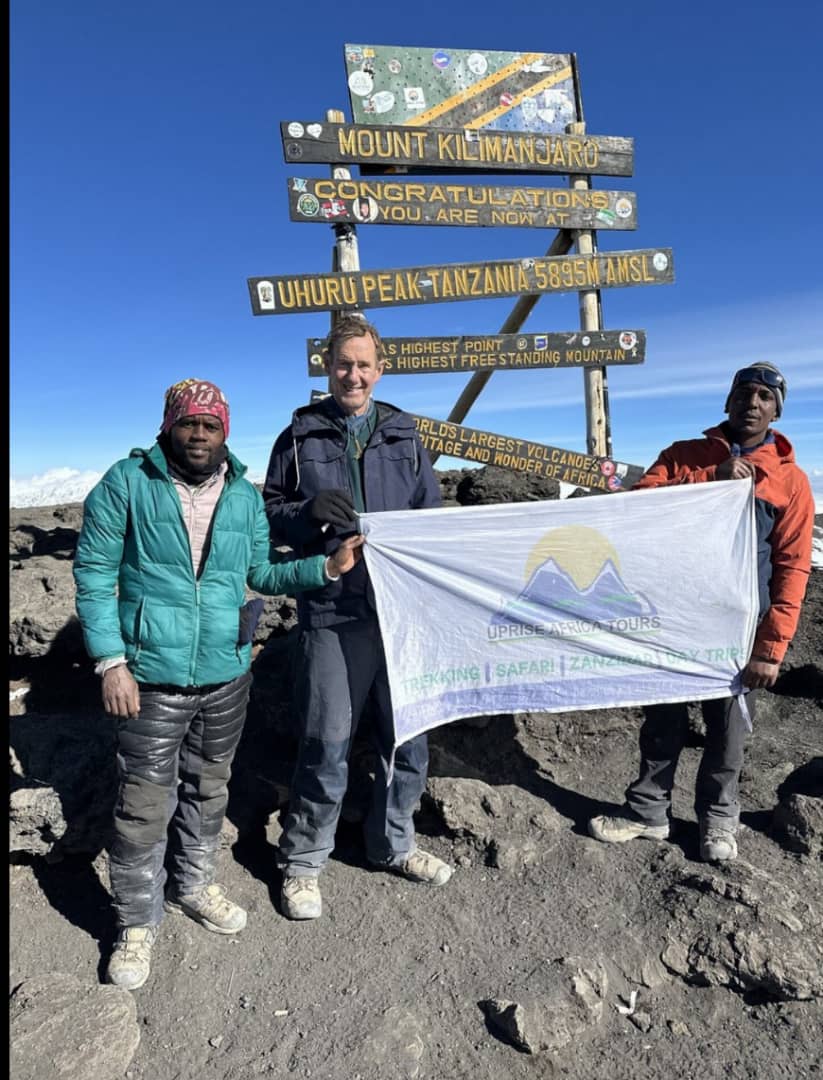
Climbing Kilimanjaro at an Older Age: How Seniors Are Safely Reaching the Summit
Climbing Mount Kilimanjaro might seem like a challenge only for young, fit adventurers—but seniors are proving that age is no barrier. Many older climbers in their 60s, 70s, and even 80s successfully reach the summit each year.
With proper preparation, the right mindset, and the support of experienced guides—like those at Uprise Africa Tours—older people climbing Kilimanjaro can achieve what once seemed impossible. In this post, we’ll explore how seniors safely climb Kilimanjaro, share inspiring success stories, and give tips for older adventurers planning their trek.
Why Age Isn’t a Barrier
For senior climbers on Kilimanjaro, the key isn’t youth—it’s preparation, pacing, and proper acclimatization. Routes like the 8-day Lemosho route allow for gradual adjustment to high altitudes, making the climb safer and more achievable.
Older hikers often have a hidden advantage: patience. Unlike younger trekkers who rush, seniors maintain a steady pace, following the Swahili mantra: “Pole pole” (slowly, slowly)—the perfect strategy for a successful summit.
Experienced Guides Make All the Difference
Hiring knowledgeable guides is essential for older climbers on Kilimanjaro. Guides:
Set a safe, steady pace
Monitor for altitude sickness
Provide encouragement and physical support
Handle meals, camp setup, and logistics
Many senior climbers benefit from double-guide support, ensuring both physical assistance and mental motivation, especially on summit night. Companies like Uprise Africa Tours specialize in supporting older adventurers, making sure every step is safe and enjoyable.
Nutrition, Hydration, and Rest
For senior climbers, staying nourished and hydrated is critical. Trekking companies that provide nutritious, varied meals and comfortable camps make a huge difference. Uprise Africa Tours ensures climbers have energy-packed meals, ample hydration, and the rest needed to reach the summit successfully.
Mental Preparation is Key
Climbing Kilimanjaro is as much a mental challenge as a physical one. Older climbers often find that mindset is their strongest tool. Staying calm, pacing oneself, and staying motivated during challenging sections are crucial.
Remember: age is not a limitation, but careful planning, confidence, and resilience are.
Success Stories of Older People Climbing Kilimanjaro
Many seniors prove that Kilimanjaro for older adults is not only possible but rewarding:
Climbers in their 70s and 80s reach Uhuru Peak successfully
Solo older hikers often praise their guides and trekking support
Steady pacing, acclimatization, and guidance are consistent factors in success
One 73-year-old climber shared that having both a guide and an assistant guide ensured he was physically supported and mentally encouraged, particularly on summit night. With a team like Uprise Africa Tours, seniors can climb with confidence, knowing every detail is taken care of.
Tips for Seniors Planning Kilimanjaro
1. Choose a longer route: Lemosho, Northern Circuit, or Rongai for better acclimatization
2. Hire experienced guides: Companies like Uprise Africa Tours provide special support for older climbers
3. Train steadily: Focus on endurance and stamina rather than speed
4. Pace yourself: Stick to the “pole pole” method
5. Eat well and stay hydrated: Proper nutrition fuels success
6. Listen to your body: Rest when needed, especially if altitude sickness appears
Conclusion
Climbing Kilimanjaro at an older age is absolutely possible. With preparation, a steady pace, proper nutrition, and experienced guides, older people climbing Kilimanjaro can safely reach the summit and experience the awe of Africa’s highest peak.
If you’re inspired to take on this adventure, consider booking your trek with Uprise Africa Tours. Their expert team ensures a safe, supportive, and unforgettable Kilimanjaro experience—no matter your age. Start planning your
Tags: