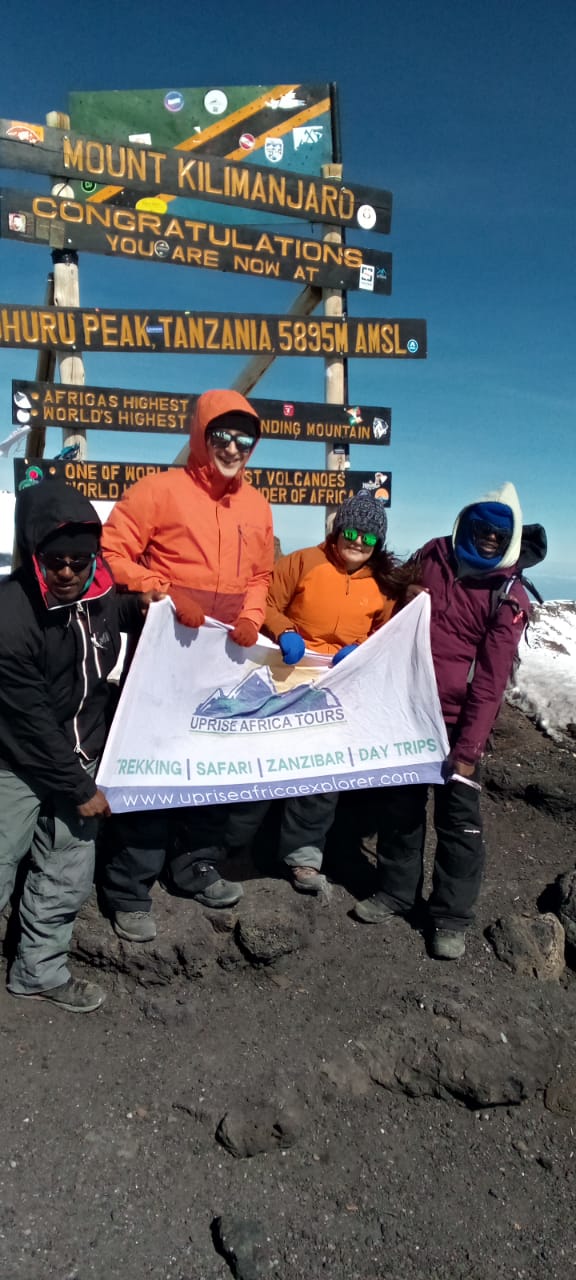
Is Mount Kilimanjaro Dangerous Safety Tips, Risks & What You Need to Know
Climbing Mount Kilimanjaro is one of the most exciting adventures in Africa. But naturally, many people ask: Is Mount Kilimanjaro dangerous?
At Uprise Africa Tours, we specialize in guided treks that prioritize your safety while giving you an unforgettable experience. In this blog, we’ll explore the risks, safety tips, and everything you need to know before attempting Africa’s highest peak.
1. Understanding Mount Kilimanjaro Safety Risks
Even though Kilimanjaro is a non-technical climb, there are some challenges every climber should know:
Altitude sickness The most common risk due to the mountain’s high elevation.
Extreme weather Temperatures can drop below freezing near the summit.
Fatigue and dehydration – Multi-day treks require proper preparation and fitness.
Our experienced guides at Uprise Africa Tours monitor these risks closely to ensure your climb is safe.
2. Common Kilimanjaro Climbing Dangers
Here are some specific dangers you may encounter:
Acute Mountain Sickness (AMS): Causes headaches, nausea, dizziness.
Slips and falls: Certain routes are rocky, icy, or slippery.
Hypothermia: Summit temperatures can be extremely cold if unprepared.
With the right preparation and guided support, these risks are manageable, making the climb safe for most people.
3. How to Prevent Altitude Sickness on Kilimanjaro
Altitude sickness is the biggest concern for climbers. Here’s how to reduce the risk:
Acclimatize properly: We recommend longer routes like Lemosho or Machame to adjust gradually.
Stay hydrated: Drink plenty of water throughout your climb.
Listen to your body: Rest if you feel severe symptoms.
Avoid alcohol and smoking: These increase the likelihood of altitude sickness.
Following these tips significantly lowers the risk of serious altitude-related issues.
4. Safety Tips for Climbing Mount Kilimanjaro
Travel with experienced guides: Uprise Africa Tours guides are trained in safety and emergency procedures.
Pack the right gear: Include warm clothing, sturdy hiking boots, trekking poles, and first-aid essentials.
Train before your climb: Build endurance and strength for multi-day trekking.
Follow your guide’s instructions: Pacing yourself and listening to guidance is key to safety.
5. Is Mount Kilimanjaro Safe for Beginners?
Absolutely! Even first-time climbers can safely summit with Uprise Africa Tours. Our guides ensure proper acclimatization, provide support at every step, and make sure beginners enjoy a safe, rewarding experience.
Mount Kilimanjaro Safety Questions
Q1: Can anyone climb Mount Kilimanjaro?
Yes, most healthy adults can climb Kilimanjaro. Choosing the right route and going with experienced guides is essential.
Q2: What is the most dangerous part of the climb?
The summit is the most challenging due to altitude and cold temperatures. Proper acclimatization and pacing help reduce risks.
Q3: How can I prepare for a safe climb?
Train physically, stay hydrated, pack proper gear, and follow your guide’s instructions closely.
Q4: Do I need a guide to climb safely?
While technically possible, climbing with a professional guide from Uprise Africa Tours ensures maximum safety and support.
So, is Mount Kilimanjaro dangerous? While there are risks, they are manageable with preparation, proper gear, and experienced guides. At Uprise Africa Tours, we make sure your climb is safe, enjoyable, and truly life-changing.
Ready to conquer Africa’s highest peak safely? Book your Kilimanjaro adventure with Uprise Africa Tours today!
Tags: