Cotopaxi vs Kilimanjaro: Why Kilimanjaro is the Ultimate Adventure with Uprise Africa Tours
Cotopaxi vs Kilimanjaro: Why Kilimanjaro is the Ultimate Adventure with Uprise Africa Tours
When adventure travelers think about iconic mountains, Cotopaxi in Ecuador and Mount Kilimanjaro in Tanzania often come to mind. Both rise to nearly 5,900 meters and promise unforgettable experiences, but their challenges and environments couldn’t be more different.
While Cotopaxi is famous for its glaciers and technical climbs, Uprise Africa Tours specializes exclusively in Kilimanjaro, offering expert guidance and carefully planned treks to make your adventure safe, enjoyable, and unforgettable. In this guide, we’ll compare the two mountains briefly and show why Kilimanjaro is the ideal choice for your next high-altitude adventure.
Mountain Basics: Cotopaxi vs Kilimanjaro
Cotopaxi is an active stratovolcano in the Ecuadorian Andes. Its classic cone shape is covered with snow and glaciers, making it one of the world’s highest active volcanoes. The summit is beautiful but requires technical mountaineering skills, including the use of crampons, ropes, and ice axes.
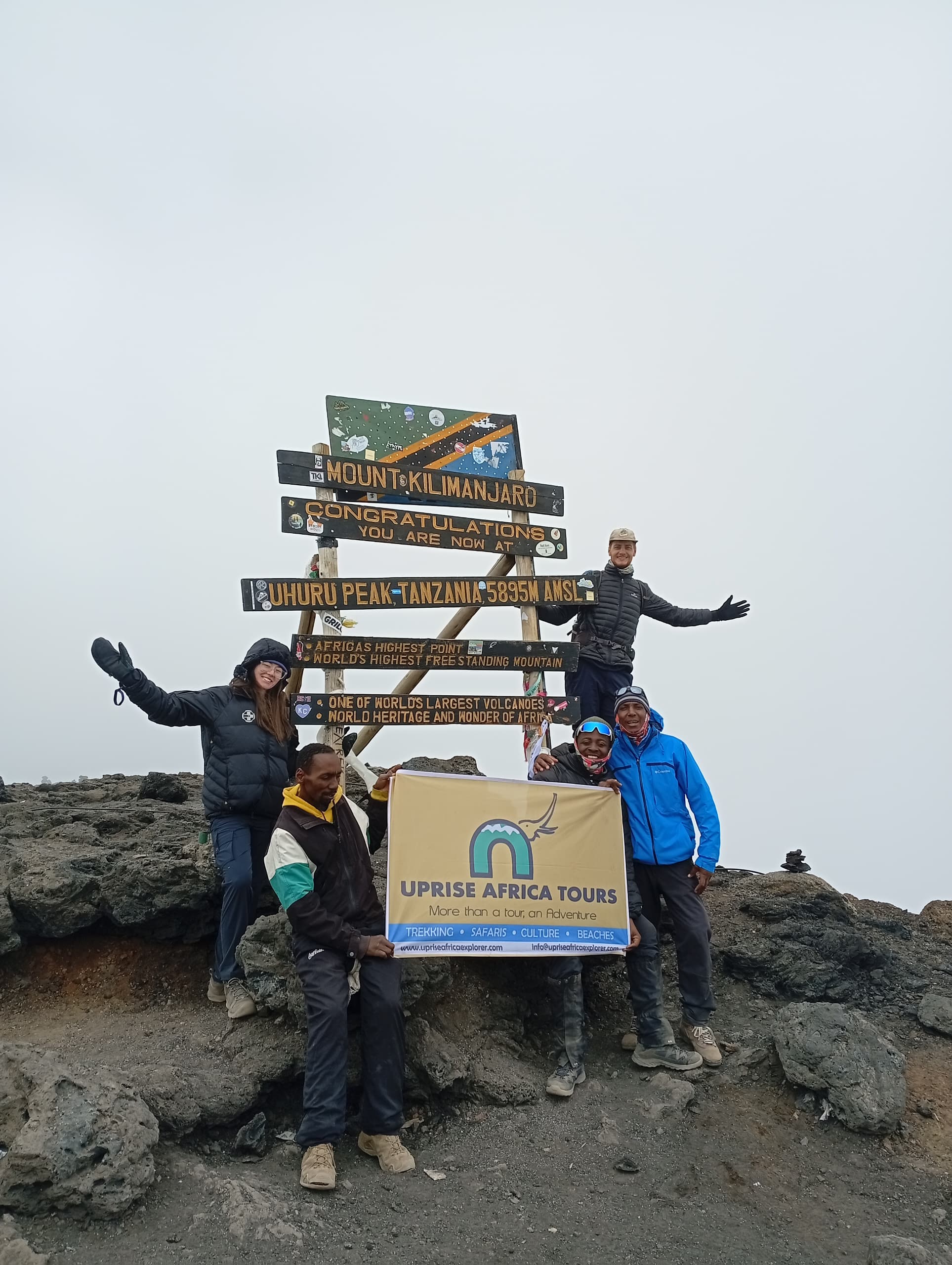
Kilimanjaro, in contrast, is a dormant volcanic massif in Tanzania, the highest peak in Africa at 5,895 meters. Its three volcanic cones — Kibo, Mawenzi, and Shira — provide a unique trekking experience. Climbers ascend through multiple ecological zones, from lush rainforests to alpine deserts, finishing at an arctic summit. Unlike Cotopaxi, Kilimanjaro does not require technical mountaineering skills, making it more accessible to a wide range of adventure travelers.
Climbing Difficulty & Experience
Cotopaxi presents a technical challenge. Summiting this active volcano requires experience in ice climbing and glacier travel. Climbers often start the ascent around midnight, aiming to reach the summit at sunrise. A trained guide is essential for safety, as conditions can change quickly and glaciers pose real risks.
Kilimanjaro, however, is a trekker’s paradise. The climb is non-technical, and the main challenges are endurance and altitude rather than mountaineering skills. Most treks last 5–9 days, depending on the route, allowing climbers to acclimatize gradually.
With Uprise Africa Tours, you’ll benefit from expert guidance, fully planned itineraries, and local knowledge. Our trained guides ensure a safe, enjoyable, and well-paced trek, so you can focus on the experience rather than logistics.
Environment & Scenery
Cotopaxi is an alpine landscape with glaciers, snow, and steep volcanic slopes. The scenery is dramatic, raw, and perfect for experienced mountaineers seeking a classic high-altitude climb.
Kilimanjaro, in comparison, is famous for its ecological diversity. On a single trek, climbers move through:
Rainforest: vibrant flora, chirping birds, and wildlife
Heath and moorland: unique plants like giant lobelias
Alpine desert: stark, high-altitude landscapes
Arctic summit: icy terrain and unforgettable sunrise views
This gradual change in environment makes Kilimanjaro a more varied and visually rewarding trek, especially for first-time high-altitude climbers.
Safety & Preparation
Cotopaxi requires careful preparation due to its technical demands and volcanic activity. Climbers need specialized gear, experience in snow and ice travel, and ideally a professional guide. Acclimatization is crucial to avoid altitude sickness.
Kilimanjaro, while non-technical, still demands careful planning. Altitude is the main challenge, and climbers must pace themselves, stay hydrated, and follow a route that allows proper acclimatization.
At Uprise Africa Tours, we take care of all preparation details:
Trek planning and logistics
Accommodation and meal arrangements
Guidance on acclimatization and safety
Full support throughout the climb
This ensures that climbers can focus on the adventure and scenery, making the trek both safe and unforgettable.
Why Choose Kilimanjaro with Uprise Africa Tours
While Cotopaxi may appeal to experienced mountaineers, Kilimanjaro is accessible, rewarding, and incredibly scenic, making it the ultimate adventure for most travelers. With Uprise Africa Tours, you get:
Experienced, certified guides who know the mountain inside out
Fully organized trekking packages tailored to your fitness and schedule
Safety protocols, acclimatization advice, and logistical support
Opportunities to enjoy local Tanzanian culture along the trek
Our goal is to make your Kilimanjaro experience not just a climb, but a journey you’ll remember for a lifetime.
FAQs About Kilimanjaro and Cotopaxi
How hard is Kilimanjaro compared to Cotopaxi?
Kilimanjaro is non-technical and suitable for trekkers of varying experience, while Cotopaxi requires mountaineering skills.
Do I need special gear for Kilimanjaro?
No technical climbing gear is needed — just proper trekking clothes, sturdy boots, and warm layers for the summit.
How long does a Kilimanjaro trek take?
Most routes are 5–9 days, allowing for proper acclimatization and a comfortable pace.
When is the best season to climb Kilimanjaro?
The dry seasons, June–October and December–February, are ideal for clear trails and stunning views.
Can beginners attempt Kilimanjaro?
Yes! With the right preparation and guidance from Uprise Africa Tours, even first-time trekkers can summit safely.
Conclusion
While Cotopaxi offers technical challenges and glaciers, Kilimanjaro provides a non-technical, multi-day adventure with diverse scenery, unforgettable sunrises, and a safe experience for a wide range of climbers.
With Uprise Africa Tours, you’ll enjoy expert guidance, fully organized itineraries, and support throughout the climb. Whether you’re a first-time high-altitude trekker or an experienced adventurer, Kilimanjaro is the ultimate adventure in Africa.
Ready to climb Kilimanjaro? Explore our trekking packages with Uprise Africa Tours and start your journey today!
Tags: