
Do You Need Supplemental Oxygen to Climb Mount Kilimanjaro?
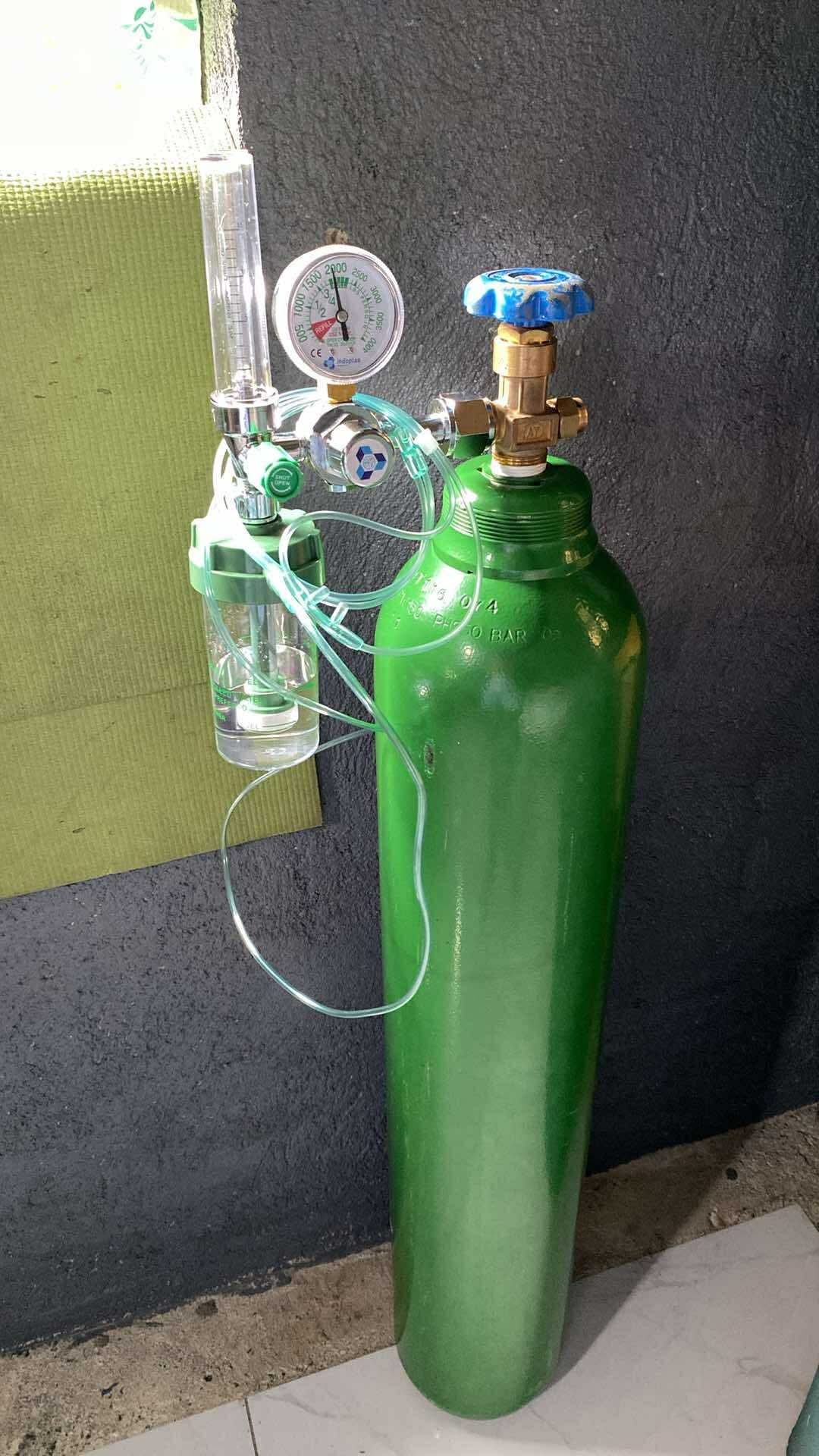
Should You Use Supplemental Oxygen on Mount Kilimanjaro?
Climbing Mount Kilimanjaro is a life-changing adventure and a goal for thousands of trekkers each year. Standing at 5,895 meters (19,341 feet), Kilimanjaro is Africa’s highest peak and presents a serious challenge due to altitude. One of the most common questions climbers ask is:
Should you use supplemental oxygen on Mount Kilimanjaro?
The clear answer is no. Supplemental oxygen is not recommended for climbing Kilimanjaro and is unnecessary for most people. In fact, using oxygen incorrectly can increase risk rather than improve safety.
At Uprise Africa Tours, we guide climbers using acclimatization-focused itineraries that prioritize safety, health, and long-term success — without the use of supplemental oxygen.
How High Is Mount Kilimanjaro?
Mount Kilimanjaro rises to 5,895 meters above sea level, making it the tallest free-standing mountain in the world. While this is extremely high, it is still below the altitude where climbers normally require supplemental oxygen.
For comparison:
Supplemental oxygen is commonly used on mountains above 7,000 meters
Mount Everest is 8,849 meters
Kilimanjaro is climbed entirely as a high-altitude trek, not a technical mountaineering expedition
Every year, tens of thousands of climbers successfully reach the summit without using supplemental oxygen.
Is There Less Oxygen on Kilimanjaro?
A common misconception is that there is “less oxygen” at altitude. In reality:
The percentage of oxygen remains constant at 21%
What decreases is air pressure
Lower pressure means fewer oxygen molecules per breath
This reduction is what makes breathing harder and causes altitude-related symptoms. The solution is not oxygen tanks — it is proper acclimatization.
Why Supplemental Oxygen Is Not Recommended on Kilimanjaro
1. It Masks Symptoms of Altitude Sickness
Supplemental oxygen can hide the warning signs of Acute Mountain Sickness (AMS), including:
Headaches
Nausea or vomiting
Dizziness
Fatigue
Loss of appetite
Difficulty sleeping
These symptoms are your body’s way of signaling that it needs more time or a descent. Oxygen may make you feel better temporarily while the condition worsens unnoticed.
2. It Interferes With Natural Acclimatization
Acclimatization allows your body to adapt by:
Increasing red blood cell production
Improving oxygen efficiency
Adjusting breathing patterns
Using supplemental oxygen interrupts this process. Once the oxygen is removed, climbers may feel significantly worse than if they had acclimatized naturally.
Proper acclimatization is the single most important factor for summiting Kilimanjaro safely.
3. It Creates a False Sense of Security
Portable oxygen systems have a limited supply. Relying on oxygen to climb higher can be dangerous if it runs out near the summit.
At extreme altitude, a sudden loss of oxygen can lead to:
Rapid exhaustion
Confusion
Worsening altitude illness
This false sense of security often encourages climbers to push beyond safe limits.
4. It Is Not Standard or Ethical Practice
Reputable Kilimanjaro operators do not use oxygen to help climbers summit. Oxygen is carried only for emergency medical situations.
At Uprise Africa Tours, oxygen is used strictly for emergencies and always paired with immediate descent, in line with international high-altitude safety standards.
When Is Supplemental Oxygen Used on Kilimanjaro?
Supplemental oxygen does have a role on Kilimanjaro — but only in medical emergencies, such as:
Severe Acute Mountain Sickness (AMS)
High Altitude Pulmonary Edema (HAPE)
High Altitude Cerebral Edema (HACE)
In these cases:
Oxygen is administered temporarily
Descent begins immediately
Oxygen is never used to continue ascending
Descent remains the most effective treatment for severe altitude illness.
Is Climbing Kilimanjaro Without Oxygen Safe?
Yes — when done correctly.
Kilimanjaro is not a technical climb; it is a high-altitude trek. With the right preparation and pacing, climbing without oxygen is safe for healthy individuals.
Safety depends on:
Proper acclimatization
Slow ascent
Adequate hydration and nutrition
Experienced guides
Listening to your body
What Should You Do Instead of Using Oxygen?
1. Choose a Longer Route
Longer itineraries dramatically improve acclimatization and summit success.
High-success routes include:
Lemosho Route (7–8 days)
Northern Circuit (8–9 days)
Machame Route (7 days)
Short routes significantly increase altitude sickness risk.
2. Climb Slowly (“Pole Pole”)
“Pole pole” means slowly, slowly in Swahili — and it’s the golden rule on Kilimanjaro.
A slow pace:
Reduces altitude sickness
Conserves energy
Improves summit success
Speed does not increase your chances — patience does.
3. Stay Hydrated and Eat Well
At altitude:
Drink 3–4 liters of water per day
Eat consistently, even when appetite decreases
Dehydration and low calorie intake worsen altitude symptoms.
4. Consider Altitude Medication (If Appropriate)
Some climbers use acetazolamide (Diamox) to help with acclimatization.
Important notes:
Consult a medical professional first
Medication is not a replacement for acclimatization
Never ignore symptoms while using medication
Common Myths About Oxygen on Kilimanjaro
“Oxygen guarantees a summit.”
False. Oxygen does not replace acclimatization.
“Only weak climbers need oxygen.”
False. Fitness does not prevent altitude sickness.
“Oxygen makes Kilimanjaro safer.”
False. Oxygen improves safety only in emergencies with descent.
Final Verdict from Uprise Africa Tours
At Uprise Africa Tours, we do not use supplemental oxygen to help climbers reach the summit of Mount Kilimanjaro. Kilimanjaro can be climbed safely without oxygen when proper acclimatization, pacing, and professional guidance are followed.
Our approach focuses on:
Longer itineraries for better acclimatization
Slow, steady ascent (“pole pole”)
Continuous health monitoring
Emergency oxygen strictly for medical situations
This ensures a safer, more ethical, and more successful climb.
Frequently Asked Questions
Do beginners need oxygen to climb Kilimanjaro?
No. Many first-time climbers summit successfully without oxygen.
Do tour operators carry oxygen?
Yes. Reputable operators carry oxygen for emergencies only.
What is the main reason climbers fail?
Poor acclimatization caused by rushing the climb.
Planning to Climb Mount Kilimanjaro?
Uprise Africa Tours offers carefully designed itineraries that prioritize safety, acclimatization, and summit success. Contact our team to choose the best route for your adventure.