Drinking Water on Kilimanjaro: Hydration Tips and Safety Guide by Uprise Africa Tours
Drinking Water on Kilimanjaro: Hydration Tips and Safety Guide by Uprise Africa Tours
Climbing Mount Kilimanjaro is one of the most rewarding adventures you can experience. But while many climbers focus on gear, trekking routes, and altitude preparation, one of the most crucial factors for a successful climb is staying properly hydrated. At high altitudes, dehydration can sneak up on you, affecting your energy, acclimatization, and even your safety.
At Uprise Africa Tours, we want every climber to reach the summit safely and comfortably. That’s why we’ve put together this complete guide to drinking water on Kilimanjaro, including how much to drink, water safety, tips for staying hydrated, and common mistakes to avoid.
Why Hydration Is Critical on Kilimanjaro
Kilimanjaro stands at 5,895 meters (19,341 feet), making it the highest free-standing mountain in the world. At this altitude, your body undergoes significant physiological stress:
Increased water loss: Cold, dry air causes you to lose more fluids through breathing.
Altitude effects: Your body acclimatizes by increasing respiration and urination, which can lead to dehydration.
Physical exertion: Hiking for 6–10 hours a day demands additional fluids to keep muscles functioning.
Failing to drink enough water can result in headaches, fatigue, cramps, and even symptoms similar to Acute Mountain Sickness (AMS). Staying hydrated isn’t just about comfort — it’s about your safety and your ability to summit successfully.
How Water Is Provided on Kilimanjaro
Many climbers wonder if they need to bring their own bottled water. The good news: with Uprise Africa Tours, you don’t have to.
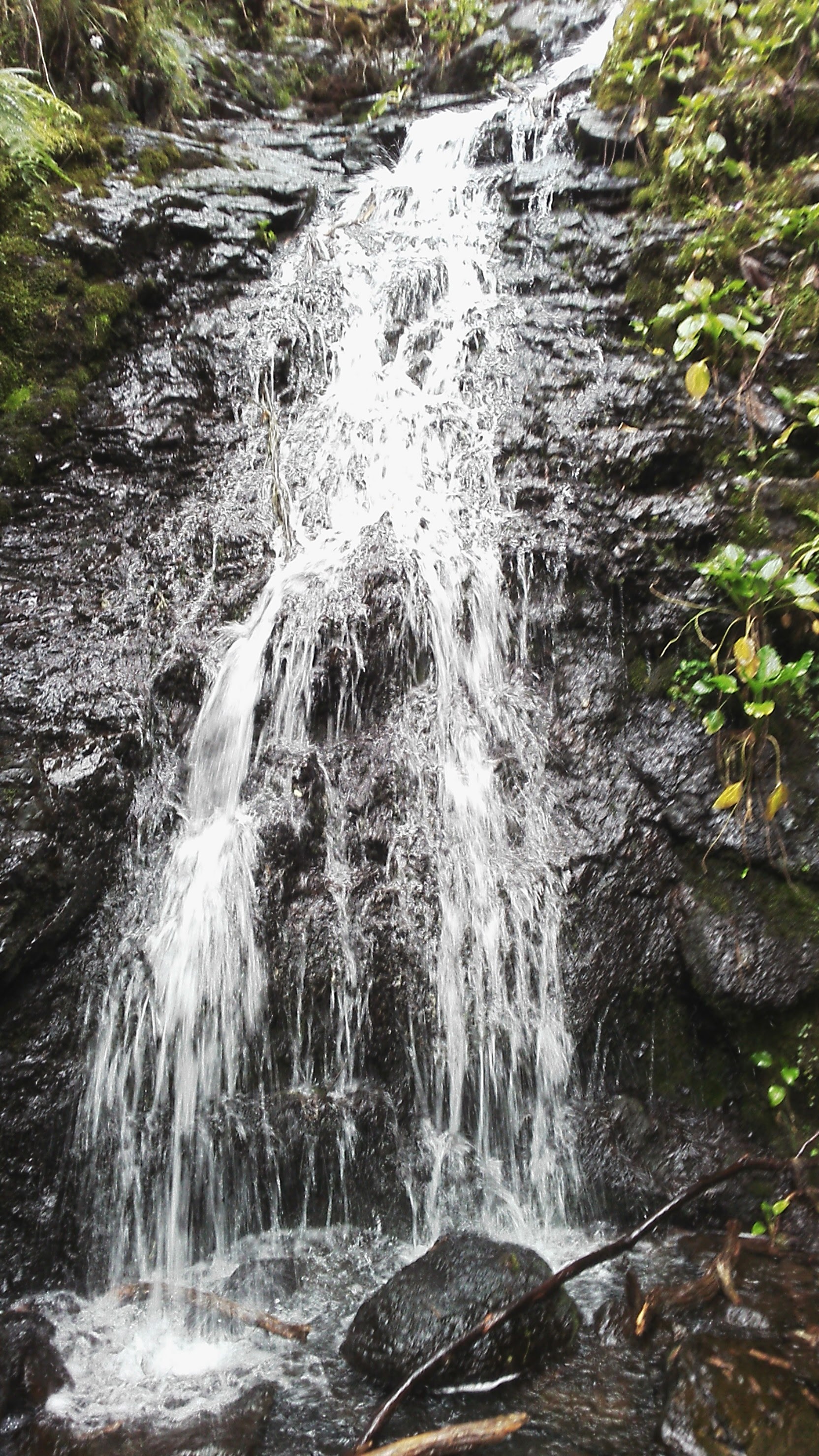
Trekking crews supply water daily: Porters collect fresh water from mountain streams and natural sources.
Treatment methods: Water is boiled and filtered to remove bacteria and impurities, ensuring it’s safe to drink.
Optional purification: Some trekkers bring tablets, UV pens, or filters for personal reassurance, but with professional operators like Uprise Africa Tours, the water is already safe.
Pro Tip: Always carry your own bottle or hydration bladder to store your daily intake. This ensures you drink consistently throughout the day.
Daily Water Requirements on Kilimanjaro
How much water should you drink while climbing? Experts recommend 4–5 liters per day for optimal performance and acclimatization. Here’s a breakdown:
Trekking Day Type
Recommended Intake
Moderate (3–6 hrs)
3–4 liters
Long/Hard Days (6–10 hrs)
4–5 liters
Summit Day
5+ liters, sip constantly
Why so much? Your body loses water faster at altitude through sweat and respiration. Drinking less than recommended can slow acclimatization and increase the risk of dehydration-related illness.
Tip: Don’t wait until you’re thirsty — drink regularly in small amounts throughout the day.
Is Kilimanjaro Water Safe to Drink?
Many climbers worry about water safety. Here’s what you need to know:
Treated by your crew: Water is boiled and filtered. This kills most bacteria and parasites.
Optional personal treatment: Tablets, UV sterilizers, or personal filters can provide extra peace of mind.
Avoid untreated sources: Do not drink directly from streams or rivers without treatment, even if it looks clean.
With Uprise Africa Tours, safety is our top priority. We ensure all water is treated properly before it reaches climbers.
Practical Tips for Staying Hydrated
Staying hydrated isn’t just about drinking enough water — it’s about smart hydration strategies.
Use the right containers:
Hydration bladders (CamelBak) are convenient for constant sipping.
Insulated bottles prevent freezing on cold mornings.
Add electrolytes:
Sweat at altitude leads to salt loss.
Mix electrolyte powders into your water to maintain energy and prevent cramps.
Sip consistently, don’t chug:
Small, frequent sips help your body absorb water efficiently.
Monitor your urine:
Pale yellow urine usually indicates proper hydration. Dark urine is a warning sign of dehydration.
Plan for summit day:
Bring extra water and electrolyte drinks — it’s the longest and most strenuous day.
Common Hydration Mistakes to Avoid
Even experienced climbers make mistakes:
Underestimating water needs: Altitude increases fluid loss, so drink more than usual.
Relying solely on tea or coffee: These can be dehydrating if consumed in excess.
Skipping water on acclimatization days: Slow days are just as important for hydration.
Ignoring electrolyte balance: Pure water is not always enough on high-altitude climbs.
Uprise Africa Tours ensures guides remind climbers to hydrate consistently, helping prevent these common errors.
Water Purification Methods on Kilimanjaro
Although Uprise Africa Tours provides safe water, some climbers like to double-check purification:
Boiling: Kills bacteria and parasites. Simple and effective.
UV sterilizers: Devices like SteriPEN use UV light to neutralize microbes.
Chemical tablets: Iodine or chlorine tablets provide backup protection.
Filters: Portable filters remove particles and some microorganisms.
Tip: Combine methods for maximum safety, especially if you plan to refill from streams during remote treks.
Hydration Gear We Recommend
Insulated water bottles to prevent freezing
Hydration bladders for easy sipping
Electrolyte powders (look for sugar-free options)
Backup water purification tablets or UV device
Proper gear can make hydration effortless and help you focus on enjoying the climb.
FAQs About Drinking Water on Kilimanjaro
Q1: Can I drink untreated water on Kilimanjaro?
A: No. Untreated water can carry bacteria, parasites, and viruses. Always rely on treated water from your trekking crew or use a personal purification method.
Q2: How much water should I carry per day?
A: Aim for 4–5 liters daily. Use a hydration bladder plus a bottle to sip frequently.
Q3: Are electrolyte drinks necessary?
A: While not required, they help replace salts lost through sweat, prevent cramps, and support energy levels.
Q4: Can I freeze water overnight on the mountain?
A: Water in thin bottles may freeze in sub-zero temperatures. Use insulated containers or keep bottles close to your body at night.
Q5: What signs indicate dehydration at altitude?
A: Symptoms include dark urine, dizziness, fatigue, dry mouth, and headache. Hydrate immediately if you notice any of these.
Why Choose Uprise Africa Tours for Your Kilimanjaro Climb
At Uprise Africa Tours, we don’t just guide climbers — we ensure a safe, comfortable, and unforgettable experience:
Experienced guides monitor hydration and health
Safe, treated drinking water supplied every day
Advice on hydration strategies, gear, and diet
Support for climbers of all fitness levels
We’ve helped thousands reach the summit while staying healthy and fully hydrated. Your success and safety are our top priority.
Conclusion: Stay Hydrated, Summit Safely
Drinking enough water on Kilimanjaro is essential for your health, performance, and summit success. With the right strategies, gear, and guidance from Uprise Africa Tours, you can focus on the adventure while staying fully hydrated.
Remember:
Aim for 4–5 liters per day
Use treated water and optional purification for peace of mind
Sip consistently, monitor your hydration, and plan for long days
Ready to climb Kilimanjaro with confidence? Book your trek with Uprise Africa Tours and let our expert team guide you to the summit safely, fully hydrated, and with unforgettable memories.
Tags: