Is Mount Kilimanjaro a Technical Climb? Beginner’s Guide by Uprise Africa Tours
Is Mount Kilimanjaro a Technical Climb? Beginner’s Guide by Uprise Africa Tours
If you’ve ever dreamed of standing on the Roof of Africa, you may have asked yourself: Is Mount Kilimanjaro a technical climb? At Uprise Africa Tours, we guide trekkers from around the world up this iconic peak. The short answer: Kilimanjaro is not a technical climb. You don’t need ropes, ice axes, or prior mountaineering experience. But the mountain does present challenges that every climber should know about.
In this guide, we’ll explain everything about climbing Kilimanjaro safely, what makes it difficult, and how Uprise Africa Tours can help you reach the summit successfully.
Why Kilimanjaro Is Not a Technical Mountain
A technical climb usually involves rock climbing, glacier travel, or the use of specialized equipment. Kilimanjaro is different. Most routes are well-marked trekking paths that require endurance and acclimatization, not technical skills.
Popular routes like Machame, Marangu, Lemosho, and Rongai are suitable for hikers without climbing experience. At Uprise Africa Tours, we ensure each trekker is fully supported by guides, porters, and safety measures throughout the journey.
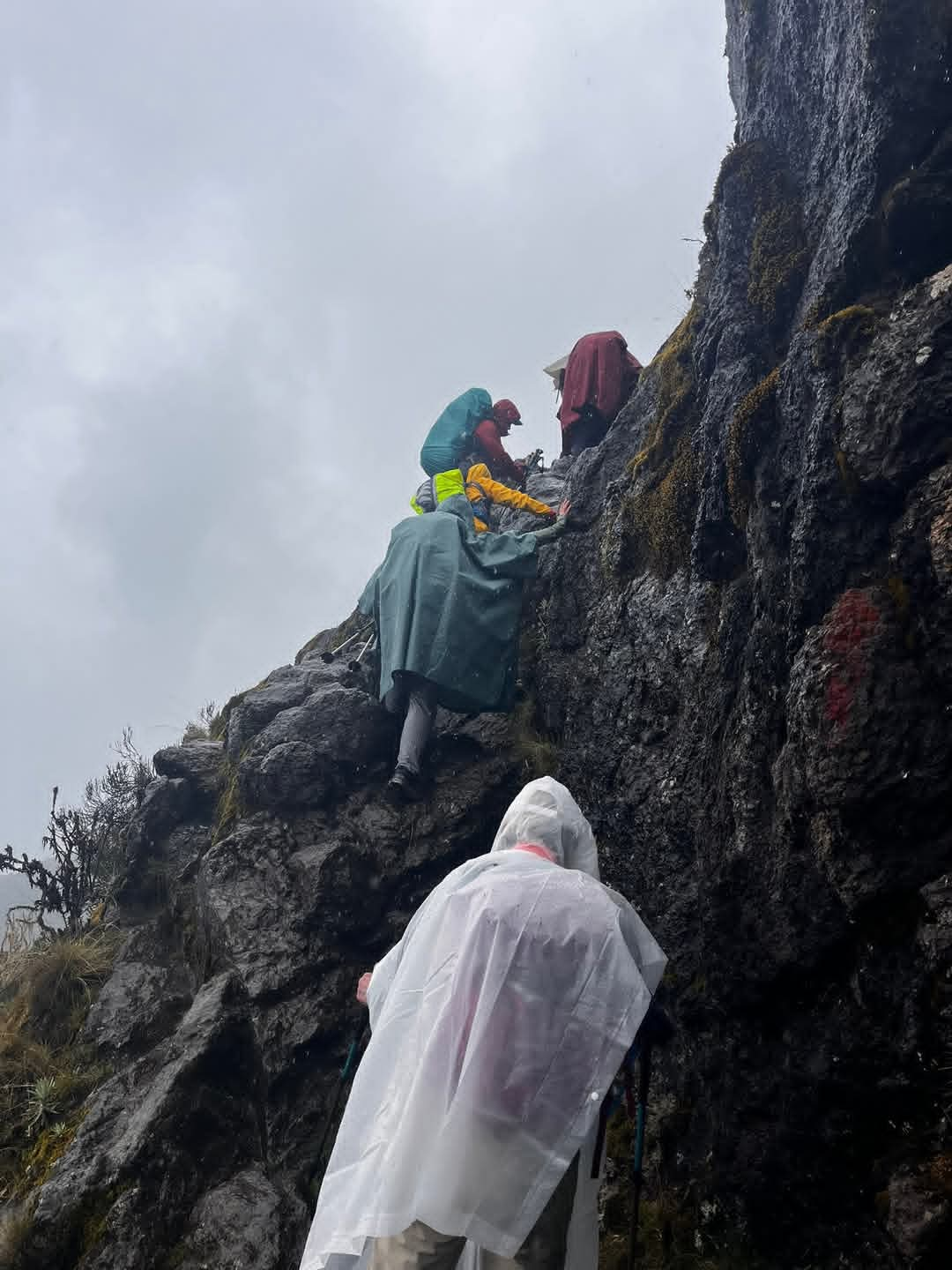
Even though some terrain can be steep or rocky, there’s no section requiring ropes or climbing gear. The only exception is the Western Breach route, which includes light scrambling — still considered non-technical and only for experienced hikers.
Tip: First-time climbers often choose Machame or Marangu routes for their gradual acclimatization and safety.
Does Kilimanjaro Require Technical Skills?
Many ask: Do you need climbing experience for Kilimanjaro? The answer is no. You don’t need prior mountaineering experience. What matters most is:
Fitness and endurance: Be comfortable hiking 4–8 hours per day.
Altitude preparation: Kilimanjaro’s summit is 5,895 meters (19,341 feet). Altitude sickness is the main challenge.
Proper pacing and acclimatization: Slow and steady wins the day.
At Uprise Africa Tours, our guides help you acclimatize properly, monitor your health, and adjust pace to maximize your chances of reaching Uhuru Peak safely.
What Makes Kilimanjaro Challenging?
While not technical, Kilimanjaro is physically demanding. Main challenges include:
High Altitude: Oxygen levels drop significantly above 4,000 meters. Most climbers feel fatigue, headaches, or nausea.
Long Hiking Days: Trekking 6–8 hours per day for several days tests stamina.
Varied Terrain: Trails range from rainforest paths to rocky slopes and volcanic scree.
Summit Night: The final ascent begins around midnight, in near-freezing temperatures and strong winds.
With Uprise Africa Tours, you’re never alone. Guides provide support, encouragement, and equipment advice every step of the way.
Beginner-Friendly Climbing Routes
For climbers without technical experience, certain routes are ideal:
Machame Route: Known as the “Whiskey Route,” offers excellent acclimatization over 6–7 days.
Marangu Route: Called the “Coca-Cola Route,” it’s the easiest and provides hut accommodations.
Lemosho and Rongai Routes: Less crowded, scenic, gradual altitude gain.
Brand note: At Uprise Africa Tours, we customize each route based on fitness, experience, and desired pace to ensure a safe, enjoyable climb.
Frequently Question
Do you need ropes to climb Kilimanjaro?
No. Standard routes are non-technical and don’t require climbing gear. Only the Western Breach route has light scrambling.
Is Kilimanjaro safe for beginners?
Yes. With proper preparation, guidance, and a reputable operator like Uprise Africa Tours, beginners can reach the summit safely.
What makes Kilimanjaro difficult?
Altitude and endurance are the main challenges, not technical skills. Proper acclimatization is key to avoiding altitude sickness.
Can I climb Kilimanjaro without experience?
Absolutely. Many first-time climbers reach the summit each year. Guides help manage pace, health, and safety.
Which is the easiest route to climb Kilimanjaro?
The Marangu Route is the easiest due to gradual altitude gain and hut accommodation, while Machame is popular for scenery and acclimatization.
Tips for a Successful Climb
Train in advance: Hiking, stair climbing, and cardio improve stamina.
Pack correctly: Warm layers, trekking poles, and sturdy hiking boots are essential.
Acclimatize properly: Take your climb slowly — don’t rush the summit.
Choose a reputable tour operator: A guided tour with Uprise Africa Tours ensures safety and a higher success rate.
Pro tip: Slow and steady is better than fast and reckless. Summit night is a test of endurance, not technical skill.
Why Choose Uprise Africa Tours?
At Uprise Africa Tours, we provide:
Experienced guides familiar with all Kilimanjaro routes
Safe acclimatization schedules
Support staff and porters for luggage
Customized itineraries for beginners and experienced trekkers
24/7 on-mountain assistance
Your climb is more than reaching the summit — it’s about enjoying the journey. With Uprise Africa Tours, you experience Kilimanjaro safely, comfortably, and successfully.
Conclusion
So, is Mount Kilimanjaro a technical climb? No. It’s a high-altitude trek, challenging mainly because of altitude, endurance, and mental stamina, not technical climbing skills.
With preparation, the right route, and an experienced guide like Uprise Africa Tours, almost anyone in reasonable health can reach the summit. Start planning your adventure today, and let Uprise Africa Tours help you conquer the Roof of Africa safely and successfully.
Tags: