Kilimanjaro Altitude Training: How to Prepare Your Body for Africa’s Highest Peak
KILIMANJARO ALTITUDE TRAINING: HOW TO PREPARE YOUR BODY FOR AFRICA HIGHEST PEAK
Climbing Mount Kilimanjaro is one of the most iconic adventures in the world. Standing on Uhuru Peak, the highest point in Africa, is a life-changing achievement. However, while Kilimanjaro is not a technical climb, the biggest challenge most climbers face is Kilimanjaro altitude.
Many people underestimate how altitude affects the body. Every year, climbers who are physically strong still fail to reach the summit because they are not properly prepared for altitude. This is why understanding Kilimanjaro altitude training, acclimatization, and preparation is essential for success.
At Uprise Africa Tours, we specialize in guiding climbers safely to the summit. In this complete guide, we explain Mount Kilimanjaro altitude, how altitude sickness works, and exactly how to train for Kilimanjaro altitude so you can maximize your chances of reaching the Roof of Africa.
UNDERSTANDING MOUNT KILIMANJARO ALTITUDE
Mount Kilimanjaro stands at 5,895 meters (19,341 feet) above sea level, making it the highest mountain in Africa and the tallest free-standing mountain in the world. What makes Kilimanjaro particularly challenging is how quickly climbers gain altitude.
During your ascent, you pass through several Kilimanjaro altitude zones:
Rainforest Zone (800–3,000 meters)
This zone is warm, humid, and rich in oxygen. Most climbers feel comfortable here, although the terrain can be muddy and steep.
Heath and Moorland Zone (3,000–4,000 meters)
As you gain altitude, oxygen levels decrease. Breathing becomes heavier, and the pace naturally slows.
Alpine Desert Zone (4,000–5,000 meters)
This is where altitude starts to have a noticeable effect. The air is dry, temperatures drop, and fatigue increases.
Arctic and Summit Zone (Above 5,000 meters)
At Uhuru Peak, oxygen availability is about 50% of sea level. Every step requires effort, which is why altitude—not fitness—is the main challenge.
Understanding these altitude levels is the first step in proper Kilimanjaro climb preparation.
WHY ALTITUDE SICKNESS IS THE BIGGEST RISK ON KILIMANJARO
Altitude sickness on Kilimanjaro is the main reason climbers turn back before reaching the summit. It can affect anyone, regardless of age, gender, or fitness level.
Common Kilimanjaro Altitude Sickness Symptoms
Headache
Nausea
Fatigue
Dizziness
Loss of appetite
Shortness of breath
Difficulty sleeping
Because Kilimanjaro is climbed in a relatively short period, the body has limited time to adjust to reduced oxygen. This is why Kilimanjaro altitude sickness prevention must be taken seriously.
CAN YOU TRAIN FOR KILIMANJARO ALTITUDE?
A common question is: Can you train for altitude before climbing Kilimanjaro?
The honest answer is that you cannot fully simulate altitude at sea level. However, Kilimanjaro altitude training is still extremely important.
Training helps your body by:
Improving cardiovascular efficiency
Increasing muscular endurance
Enhancing recovery under fatigue
Strengthening mental resilience
While training does not eliminate altitude sickness, it significantly improves your ability to cope with long days, cold temperatures, and physical stress.
HOW TO TRAIN FOR KILIMANJARO ALTITUDE
Cardiovascular Training for Kilimanjaro
Cardio training is the foundation of any effective Kilimanjaro training plan.
The best cardio exercises include:
Hiking on hills or mountains
Stair climbing
Incline treadmill walking
Cycling
Swimming
Focus on long, steady workouts, not speed. Kilimanjaro is climbed slowly, following the local principle of pole pole (slowly, slowly).
Training recommendation:
Train 3–5 times per week for 45–90 minutes, starting at least 8–12 weeks before your climb.
STRENGTH TRAINING FOR MOUNT KILIMANJARO
Strength training supports your joints and reduces fatigue during long trekking days.
Important muscle groups include:
Legs (quadriceps, hamstrings, glutes, calves)
Core (abdominals and lower back)
Upper body (shoulders and back for carrying a daypack)
Exercises such as squats, lunges, step-ups, planks, and deadlifts represent the best training for Mount Kilimanjaro.
HIKING WITH A BACKPACK
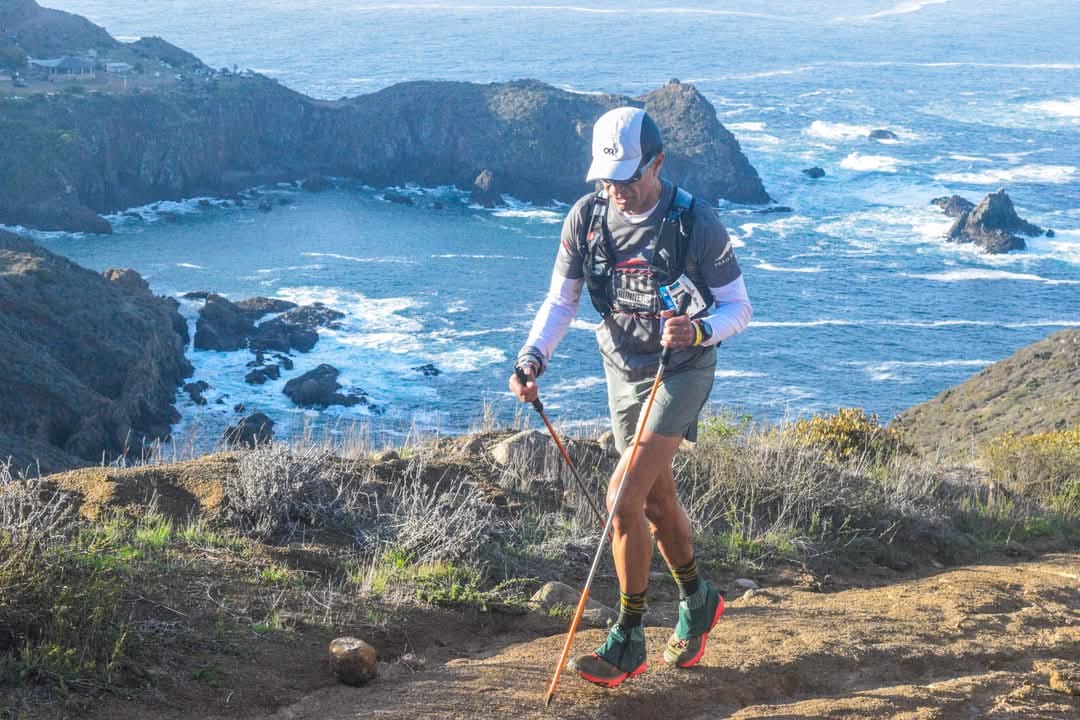
One of the most effective ways to train for Kilimanjaro is regular hiking with weight.
Use a backpack weighing 5–8 kg
Practice long hikes on uneven terrain
Walk uphill at a slow, steady pace
Train on tired legs when possible
This closely mimics real Kilimanjaro conditions and prepares both your body and mind.
HOW FIT DO YOU NEED TO BE TO CLIMBING KILIMANJARO?
Many people ask, “How fit do you need to be to climb Kilimanjaro?”
You do not need to be an athlete, but you should be able to:
Hike 6–8 hours per day
Walk uphill for extended periods
Handle cold, fatigue, and slow progress
With proper Kilimanjaro altitude training and the right support, many first-time trekkers successfully reach the summit.
HOW TO REDUCE ALTITUDE SICKNESS ON KILIMANJARO
Fitness helps, but acclimatization is the most important factor.
Proven Kilimanjaro Altitude Sickness Prevention Tips
Choose longer routes (7–9 days)
Walk slowly and consistently
Drink 3–4 liters of water daily
Eat regularly, even if appetite is low
Avoid alcohol before and during the climb
Follow your guide’s advice
At Uprise Africa Tours, we design itineraries that prioritize acclimatization and safety.
THE IMPORTANCE OF ACCLIMATIZATION on KILIMANJARO
Acclimatization allows your body to adjust gradually to reduced oxygen levels. The best itineraries follow the principle of “climb high, sleep low.”
Short itineraries may seem cheaper, but they greatly increase the risk of altitude sickness and failure. Choosing the right route is a key part of successful Kilimanjaro preparation.
BEST ROUTES FOR KILIMANJARO ALTITUDE ACCLIMATIZATION
Routes with strong acclimatization profiles include:
Lemosho Route
Northern Circuit Route
Machame Route (with extra days)
These routes offer better altitude adaptation and higher summit success rates.
MENTAL PREPARATION FOR KILIMANJARO ALTITUDE
Mental strength plays a major role in summit success. Altitude can cause extreme fatigue, slow movement, and self-doubt.
Preparing mentally to move slowly, stay patient, and trust the process is just as important as physical training.
WHY CHOOSING THE RIGHT KILIMANJARO OPERATOR MATTERS
Your choice of operator has a direct impact on safety and success.
At Uprise Africa Tours, we focus on:
Experienced local guides
Proper acclimatization schedules
Daily health monitoring
Safety-first summit strategies
Ethical treatment of porters
Our goal is not just to get you to the summit, but to do so safely and responsibly.
FINAL TRAINING CHECKLIST FOR KILIMANJARO CLIMBERS
Before your climb:
Start training 8–12 weeks in advance
Focus on endurance, not speed
Practice hiking with a backpack
Learn about Kilimanjaro altitude levels
Choose a route designed for acclimatization
Climb with a trusted local operator
FREQUENTLY ASKED QUESTIONS ABOUT KILIMANJARO ALTITUDE
Do you need altitude training for Kilimanjaro?
You cannot fully train for altitude, but endurance training improves your ability to cope with it.
What is the best way to avoid altitude sickness on Kilimanjaro?
Choose a longer route, walk slowly, hydrate well, and climb with experienced guides.
Is Kilimanjaro dangerous because of altitude?
With proper preparation and professional support, Kilimanjaro is safe for most healthy climbers.
CLIMB KILIMANJARO WITH CONFIDENCE
Understanding Mount Kilimanjaro altitude and preparing prope
rly makes all the difference. With the right Kilimanjaro altitude training, mindset, and expert guidance, reaching Uhuru Peak is an achievable goal.
Uprise Africa Tours is proud to guide climbers safely to the summit while prioritizing health, safety, and unforgettable experiences.