
Kilimanjaro Climbing for Beginners: Complete 2026 Guide with Uprise Africa Tours
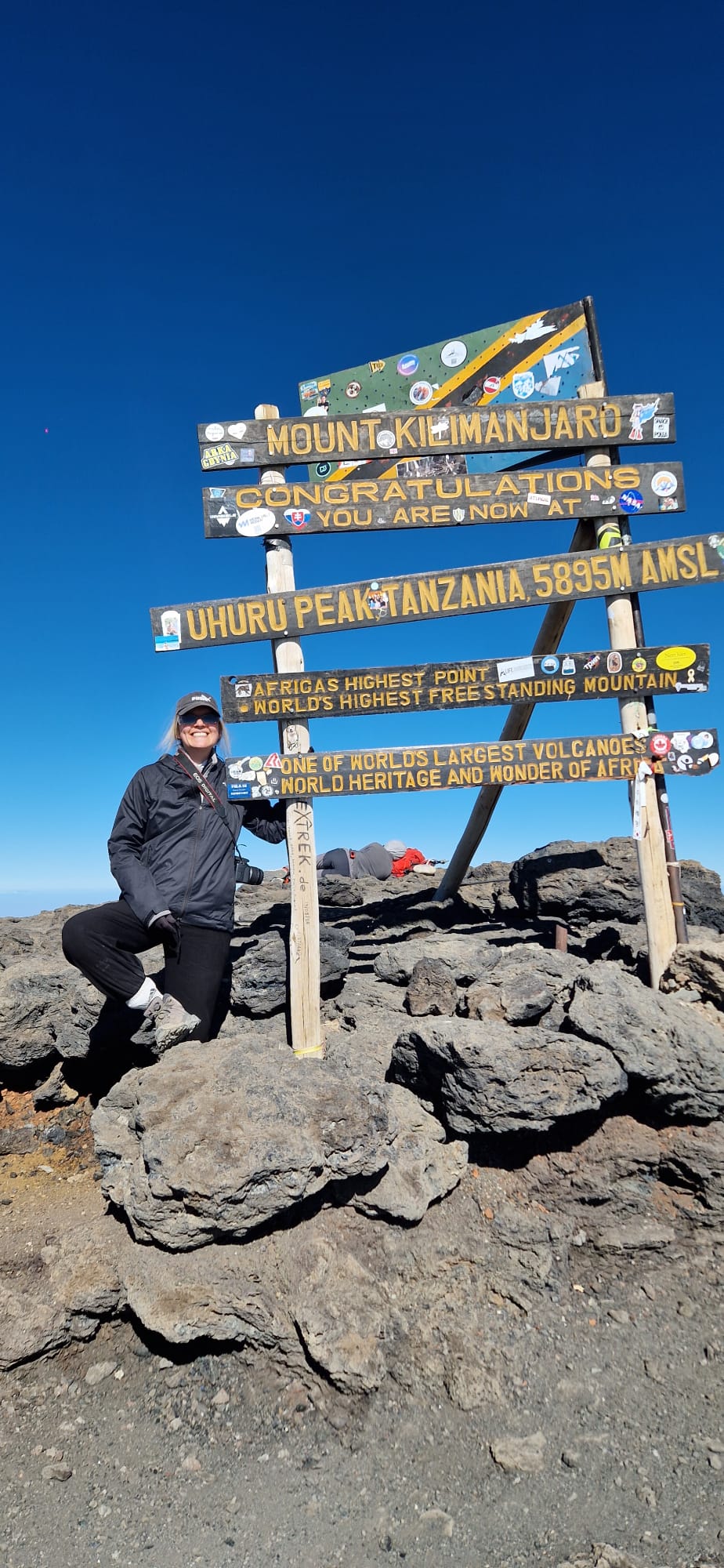
Kilimanjaro Climbing for Beginners: Your Complete 2026 Guide with Uprise Africa Tours
Climbing Mount Kilimanjaro is a dream for adventurers worldwide. As Africa’s highest peak at 5,895 meters (19,341 feet), it’s not just a mountain — it’s a journey of endurance, preparation, and personal achievement. Many first-time climbers wonder: Can beginners climb Kilimanjaro safely? The answer is yes! With proper training, the right gear, and a licensed guide, Kilimanjaro climbing for beginners is achievable. At Uprise Africa Tours, we specialize in helping first-time climbers experience the summit safely, offering guidance, logistics, and support every step of the way.
In this complete 2026 guide, we’ll cover everything beginners need to know: the best routes, training tips, gear essentials, altitude safety, common mistakes, costs, and FAQs.
Can Beginners Really Climb Kilimanjaro?
Mount Kilimanjaro is a trekking peak, not a technical climb. You won’t need ropes or climbing gear for the ascent, making it suitable for first-time climbers. The real challenge is altitude, endurance, and mental strength. Beginners often struggle with fatigue, cold nights near the summit, and altitude sickness, but with the right preparation and pacing, reaching the summit is very achievable.
Key tips for beginners:
Hire a licensed guide — required by Kilimanjaro National Park and essential for safety.
Choose a longer route (7–9 days) for proper acclimatization.
Maintain a slow, steady pace known locally as pole pole.
How Hard Is Kilimanjaro for Beginners?
Many first-time climbers overestimate the difficulty. Kilimanjaro is physically demanding but not technical. Here’s what beginners should expect:
Daily hiking: 5–8 hours per day, with breaks for acclimatization.
Summit night: Starting around midnight in freezing temperatures.
Altitude effects: Oxygen drops as you climb, making even slow walking feel tiring.
Even if you’re not a professional athlete, consistent training and mental preparation will help you succeed.
Best Kilimanjaro Routes for Beginners
Choosing the right route is crucial for Kilimanjaro climbing for beginners. Longer routes allow gradual altitude gain, which increases summit success rates.
Route
Duration
Difficulty
Success Rate
Best For
Lemosho
7–9 days
Moderate
Very High
First-time climbers, scenic views
Northern Circuit
8–9 days
Moderate
Highest
Beginners seeking acclimatization & solitude
Machame
6–7 days
Hard
Medium
Fit beginners looking for adventure
At Uprise Africa Tours, we recommend Lemosho or Northern Circuit for first-time climbers because they provide the best balance of scenery, acclimatization, and comfort.
Training Plan for Beginners
Preparation is key. A focused 6–12 week training plan will improve endurance and reduce risk of altitude sickness.
Weekly Training Outline:
3–5 days cardio: Hiking, running, cycling, or swimming
Strength training: Focus on legs, core, and back
Practice hikes: Carry a backpack with 8–12 kg, hike 3–5 hours on varied terrain
Flexibility & balance exercises: Yoga or stretching
Tip: Gradually increase elevation in your practice hikes to simulate mountain conditions.
Altitude Sickness: What Beginners Must Know
Altitude sickness is the leading cause of summit failure, not lack of fitness. Symptoms include headache, nausea, dizziness, and fatigue.
Prevention tips:
Choose a longer route for gradual acclimatization
Drink 3–4 liters of water daily
Take it slow — pole pole
Listen to your guide; descend immediately if symptoms worsen
Even mild symptoms can affect stamina, so preparation is essential.
Gear and Packing List
Weather on Kilimanjaro changes rapidly — expect hot days, rain, and freezing nights. Essential gear includes:
Waterproof hiking boots
Insulated jacket and layers
Gloves and hat
Sleeping bag rated to −20 °C
Trekking poles
Backpack for daily essentials
Uprise Africa Tours can advise on gear rentals to minimize baggage stress.
Mental Preparation
Summit night is the toughest part of the climb. Hikers start around midnight in freezing temperatures, often feeling tired and slow. Mental resilience is as important as physical fitness.
Tips:
Break the climb into small steps
Focus on breathing and pacing
Stay positive and trust your guide
Common Beginner Mistakes
Avoid these pitfalls:
Choosing short routes — increases altitude sickness risk
Overpacking — adds unnecessary strain
Walking too fast — accelerates fatigue
Ignoring hydration and nutrition
Cost and Logistics
Climbing Kilimanjaro varies in price depending on route, duration, and operator. Costs include park fees, guide & porter fees, accommodation, meals, and equipment.
Typical ranges:
Budget climbs: $1374–$1876
Mid-range: $2,500–$3,500
Luxury: $4,000+
Booking with a reputable operator like Uprise Africa Tours ensures safety, comfort, and a higher success rate.
Frequently Asked Questions (FAQ)
Q: Can beginners climb Mount Kilimanjaro safely?
A: Yes. With proper acclimatization, training, and a licensed guide, beginners can summit safely.
Q: How many days should beginners take?
A: 7–9 days is recommended to allow for gradual acclimatization.
Q: Which route is best for first-time climbers?
A: Lemosho and Northern Circuit are the most beginner-friendly.
Q: What is summit night like?
A: The climb begins around midnight, temperatures drop below freezing, and pacing is slow. Mental preparation is key.
Q: Do I need a guide?
A: Yes, guides are mandatory in Kilimanjaro National Park and are essential for safety.
Conclusion
Climbing Kilimanjaro as a beginner is challenging but achievable. With proper training, gear, and a licensed guide, first-time climbers can reach the summit safely and enjoyably. At Uprise Africa Tours, we specialize in helping beginners make this dream a reality. Take your time, choose the right route, and embrace the journey — Africa’s rooftop awaits!
Ready to start your adventure? Contact Uprise Africa Tours today and plan your beginner-friendly Kilimanjaro climb for 2026.