Kilimanjaro Packing List 2026: What to Pack for a Successful Summit | Uprise Africa Tours
Kilimanjaro Packing List 2026: What to Pack for a Successful Summit | Uprise Africa Tours
Climbing Mount Kilimanjaro is one of the most rewarding adventures in the world, but reaching the summit safely and comfortably requires careful preparation. With this Kilimanjaro packing list from Uprise Africa Tours, you’ll know exactly what to pack for Kilimanjaro, from clothing layers to essential trekking gear. Our comprehensive guide covers everything climbers need — including Mount Kilimanjaro climbing gear, summit essentials, and expert tips — so you can focus on the adventure ahead.
Whether this is your first trek or you’re returning for another climb, following this guide will help ensure your journey is safe, enjoyable, and successful.
Understanding Kilimanjaro’s Climate and Conditions
Before packing, it’s crucial to understand the unique climate zones of Kilimanjaro. The mountain is famous for its dramatic weather changes, which can affect what gear you’ll need.
Kilimanjaro has five main climate zones:
Rainforest (800–2,000m / 2,600–6,500 ft)
Hot, humid, and wet. Expect dense vegetation and rain showers.
Moorland (2,000–3,000m / 6,500–9,800 ft)
Cooler, less humid, with sun exposure. Ideal for layering.
Alpine Desert (3,000–5,000m / 9,800–16,400 ft)
Cold, dry, and windy. Sunglasses and sun protection are essential.
Arctic / Summit Zone (5,000–5,895m / 16,400–19,341 ft)
Freezing temperatures, snow, ice, and strong winds. Summit night is extremely cold.
Base & Surrounding Regions
Warm days, cool nights. Prepare for variable temperatures even before you reach the rainforest.
Tip from Uprise Africa Tours: Pack layers for all zones, and be prepared for temperatures ranging from +20°C (68°F) in the rainforest to -15°C (5°F) at the summit.
Complete Clothing Packing List for Kilimanjaro Climbers
Proper clothing is essential for comfort, warmth, and safety on Kilimanjaro. Our Kilimanjaro clothing list ensures you have everything you need.
Base Layers
Moisture-wicking short-sleeve shirts
Long-sleeve thermal tops
Thermal underwear (top and bottom)
Why it matters: Cotton traps sweat and makes you cold at higher altitudes. Synthetic or merino wool base layers keep you warm and dry.
Mid Layers
Fleece jacket (hooded recommended)
Lightweight insulated jacket
Tip: Layering allows you to adjust for the changing temperatures across Kilimanjaro’s climate zones. Fleece works well for evenings in the camps.
Insulated Outer Layer
Down or synthetic insulated jacket rated for -15°C to -20°C
Windproof and water-resistant shell
Expert advice: Summit night is extremely cold. Uprise Africa Tours recommends a high-quality insulated jacket for comfort and safety.
Trekking Pants & Rain Gear
Lightweight hiking pants (2–3 pairs recommended)
Waterproof pants and jacket (Gore-Tex or equivalent)
Convertible pants are handy for warmer jungle sections, while waterproof layers keep you dry in unexpected rain.
Accessories & Headwear
Warm beanie or wool hat
Sun hat or cap
Sunglasses with UV protection
Gloves: liner gloves + insulated gloves
Neck gaiter or buff
Pro Tip: Bring a small, lightweight scarf or buff for dust and wind in the alpine desert.
Footwear & Trekking Essentials
Hiking Boots
Sturdy, waterproof, and broken-in
Ankle support recommended
Never bring brand-new boots — they can cause blisters and discomfort.
Socks
Wool or synthetic hiking socks (4–6 pairs)
Optional liner socks for blister prevention
Trekking Poles
Highly recommended for descent and summit support
Adjustable, lightweight poles reduce strain on knees
Daypack
30–40L backpack for water, snacks, camera, and layers
Tip from Uprise Africa Tours guides: Keep essential items accessible in your daypack during summit night.
Gear & Equipment Checklist
Sleeping Gear
Sleeping bag rated to -15°C to -20°C
Compression sack for compact storage
Most Uprise Africa Tours packages include sleeping mats.
Hydration & Navigation
Hydration bladder or water bottles (3L capacity)
Headlamp with extra batteries
Optional Gear
Lightweight camp shoes
Camera and spare batteries
Trekking journal or notebook
Pro Tip: Don’t overpack optional items; weight matters for summit success.
Toiletries, Personal Items, & Health Essentials
Personal medications
First aid kit
Blister care: tape, bandages, moleskin
Sunscreen SPF 30+
Lip balm with SPF
Hand sanitizer and hygiene wipes
Quick-dry towel
Expert tip: Pack medications in your daypack for easy access.
What to Rent vs What to Bring
Many climbers prefer to rent bulky or expensive gear rather than carry it internationally. Uprise Africa Tours offers rentals for:
Sleeping bags
Insulated jackets
Trekking poles
Rain gear
Tip: Confirm rental availability and quality ahead of time to avoid last-minute surprises.
Packing Tips & Tricks
Layer strategically: Start with base layers, add mid-layers, then outer shell.
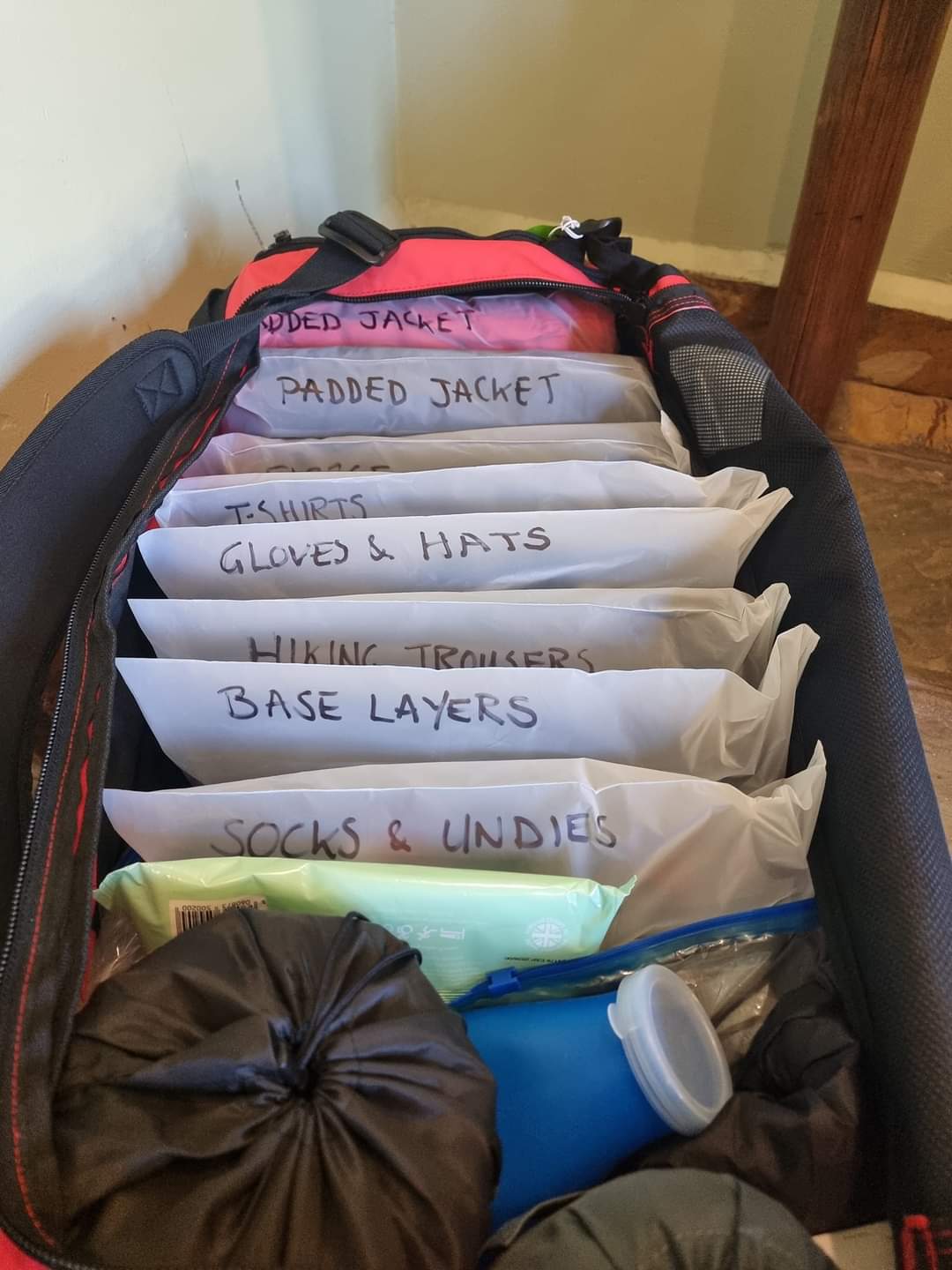
Label your duffel bag: Especially important if using porters.
Test gear beforehand: Boots, jackets, and backpacks should be trialed on hikes.
Summit night prep: Keep extra gloves, hat, and thermal layers easily accessible in your daypack.
Pack light but smart: Only bring what you will actually use.
Frequently Asked Questions (FAQ)
Q1: What should I pack for climbing Mount Kilimanjaro?
A: This Kilimanjaro packing list includes base layers, mid-layers, insulated jackets, trekking pants, boots, gloves, hat, daypack, sleeping bag, hydration system, toiletries, and personal medications.
Q2: How cold is the summit?
A: Summit temperatures range from -10°C to -20°C (-4°F to 14°F). Prepare with high-quality insulated clothing.
Q3: Can I rent gear in Tanzania?
A: Yes. Uprise Africa Tours provides rentals for jackets, sleeping bags, and trekking poles. Confirm availability when booking.
Q4: How heavy can my porter bag be?
A: Most operators, including Uprise Africa Tours, allow up to 15 kg (33 lbs) per climber.
Q5: What clothing is recommended for summit night?
A: Layering is key: thermal base layers, fleece mid-layer, insulated jacket, gloves, beanie, and waterproof outer shell.
Conclusion
A successful Kilimanjaro climb starts long before the first step. By following this Uprise Africa Tours Kilimanjaro packing list 2026, you’ll be prepared for every climate zone, summit night, and trekking challenge. Pack smart, layer appropriately, and trust your gear — with the right preparation, your summit experience will be safe, comfortable, and unforgettable.
Climbers who prepare well enjoy the journey more and maximize their chances of reaching the top of Africa’s highest peak.
Tags: