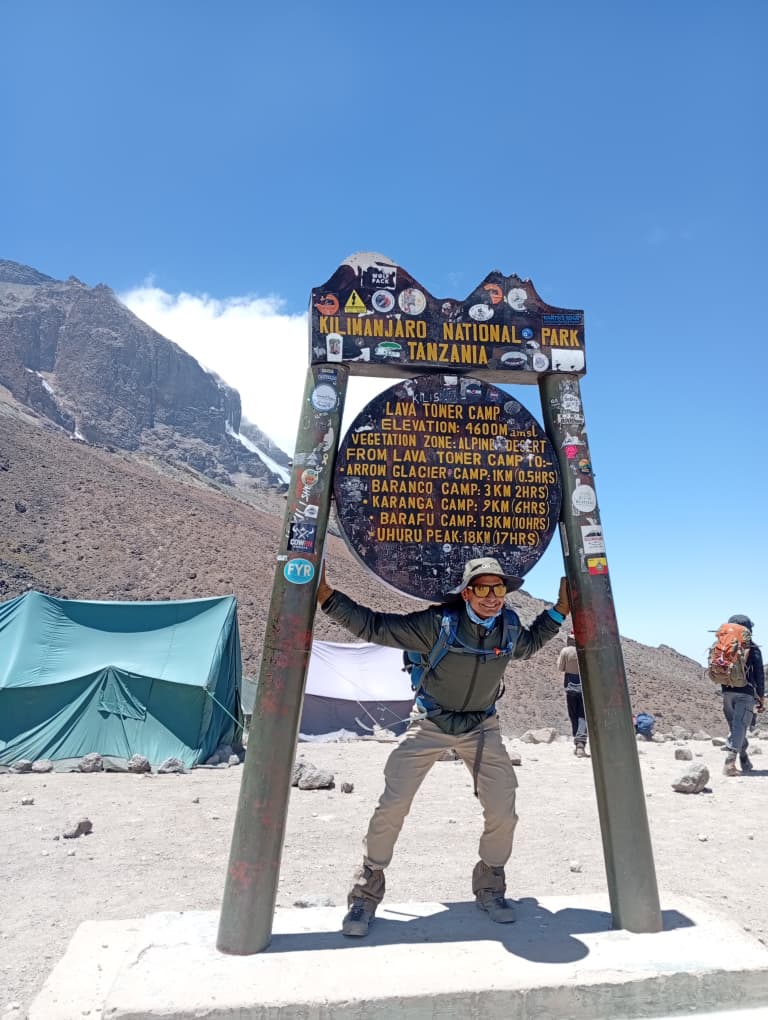
Most Common Mistakes Climbers Make on Kilimanjaro And How to Avoid Them 2025–2026 Expert Guide
Most Common Mistakes Climbers Make on Kilimanjaro — And How to Avoid Them
Climbing Mount Kilimanjaro is a life-changing adventure, but it requires preparation, focus, and expert guidance. Over the years, Uprise Africa Tours, a licensed Kilimanjaro operator based in Moshi, Tanzania, has guided climbers from all over the world. Through experience, we’ve observed recurring mistakes that can reduce summit success, cause unnecessary discomfort, or even pose safety risks.
This guide highlights the most common mistakes climbers make and provides expert solutions to help you enjoy a safe, successful, and unforgettable climb.
1. Choosing the Wrong Route for Your Fitness Level
Why It Matters
Kilimanjaro has multiple trekking routes, each with different difficulty levels, lengths, and scenery. Selecting the wrong route can lead to fatigue, altitude sickness, or a failed summit attempt.
Common Mistake
Climbers often choose a route based on price or popularity rather than personal fitness, acclimatization needs, or experience.
Expert Solution
At Uprise Africa Tours, we evaluate each climber’s fitness, experience, and schedule before recommending a route. Here’s a quick breakdown:
Lemosho Route – Best for acclimatization and summit success; offers beautiful scenery.
Machame Route – Popular, scenic, suitable for moderately fit beginners.
Marangu Route – Hut accommodation; shorter, but slightly lower summit success if rushed.
Rongai Route – Quiet, gradual ascent; ideal for rainy season.
Northern Circuit – Longest route, highest success rate, more remote experience.
Choosing the right route increases safety and summit probability dramatically.
2. Climbing Too Fast (Ignoring Acclimatization)
The Risk
Altitude sickness is the leading reason climbers fail to reach the summit. Ascending too quickly limits the body’s ability to adapt to lower oxygen levels.
Common Mistake
Trying to complete the climb in fewer days to save money or time.
Expert Solution
Take 7–8 days for most climbers.
Follow the “climb high, sleep low” strategy to improve oxygen adaptation.
Use rest stops and slow pacing to allow your body to acclimatize.
Uprise Africa Tours monitors each climber’s health daily and adjusts the pace to maximize safety and summit success.
3. Underestimating Physical Preparation
Why Preparation Matters
Kilimanjaro doesn’t require technical climbing skills, but it demands stamina, strength, and endurance.
Common Mistake
Arriving unprepared, assuming walking on a trail is enough training.
Expert Solution
We recommend a 6–8 week training program:
Daily walks (30–60 minutes)
Weekend long hikes with elevation gain
Stair climbing or treadmill incline workouts
Light strength training (legs, core)
Our guides provide tailored training advice for different fitness levels.
4. Packing the Wrong Gear
Common Mistake
Bringing low-quality or excessive gear, or forgetting essential items like gloves, hats, or proper sleeping bags.
Expert Solution
Layering: base layer fleece insulated jacket waterproof shell
Hiking boots, gaiters, and wool socks
Headlamp with extra batteries
Sunglasses, sunblock, and lip balm
Optional rental gear from Uprise Africa Tours
Proper gear ensures comfort, safety, and reduces risk of altitude-related issues.
5. Not Staying Hydrated and Eating Properly
The Importance
Dehydration accelerates fatigue and altitude sickness.
Common Mistake
Drinking too little or eating poorly during the trek.
Expert Solution
Drink 3–4 liters of water per day.
Eat high-energy foods and small, frequent meals.
Uprise Africa Tours provides balanced, nutritious meals tailored to the demands of high-altitude trekking.
6. Ignoring Guide Instructions
Why It Matters
Kilimanjaro guides are trained in altitude sickness prevention, first aid, and emergency procedures.
Common Mistake
Pushing ahead or ignoring instructions, which increases risk of illness or injury.
Expert Solution
Always follow your guide’s pacing and rest schedules.
Alert guides immediately if you experience symptoms like dizziness, nausea, or shortness of breath.
Our guides are licensed by TANAPA and trained in wilderness first aid, ensuring your safety throughout the trek.
7. Wearing New or Inappropriate Footwear
Common Mistake
Buying new boots and using them for the first time on the mountain, leading to painful blisters.
Expert Solution
Break in boots 2–3 weeks before the climb
Use moisture-wicking socks
Consider gaiters for muddy or wet trails
Uprise Africa Tours can provide tested rental boots for climbers who need them
8. Not Preparing Mentally
Why Mental Preparation Matters
Climbing Kilimanjaro is as much a mental challenge as it is physical.
Common Mistake
Expecting the trek to be effortless or underestimating summit night.
Expert Solution
Prepare for long summit night walks (6–8 hours)
Visualize the climb and plan for early wake-ups and cold weather
Stay positive and pace yourself
Our guides motivate climbers, ensuring they stay focused and confident.
9. Choosing the Wrong Tour Operator
Common Mistake
Selecting a company based solely on price.
Risks include:
Untrained guides
Poor-quality food and equipment
Unethical treatment of porters
Inadequate safety measures
Expert Solution
Choose a licensed, ethical, and experienced operator.
Why Uprise Africa Tours?
Experienced, licensed guides
High summit success rates
Professional equipment and safety protocols
Fair treatment of porters and staff
Emergency oxygen and first-aid on every trek
10. Poor Summit Night Strategy
Common Mistake
Starting too fast, carrying unnecessary weight, or neglecting hydration.
Expert Solution
Use “pole pole” (slowly, slowly) pacing
Drink small sips of water frequently
Layer clothing for extreme cold
Only carry essentials for summit night
Uprise Africa Tours guides set the pace and monitor climber conditions
11. Not Accounting for Weather Variations
Common Mistake
Ignoring seasonal weather changes, which can lead to cold, wet, or unsafe conditions.
Expert Solution
Know the day vs night temperature range
Dress in layers for sudden weather changes
Climb during the best months: January–March, June–October
12. Ignoring Health Checks Before Climb
Common Mistake
Skipping medical evaluations, which increases risk for altitude sickness or complications.
Expert Solution
Get a pre-climb medical check-up
Discuss chronic conditions with your doctor
Vaccinations for travel health
Uprise Africa Tours provides health guidelines to ensure safe participation
13. Overpacking or Underpacking Food & Supplies
Common Mistake
Carrying too much weight or not enough energy sources.
Expert Solution
Pack light, only essentials
Use provided meals and snacks strategically
Uprise Africa Tours provides nutritious high-energy meals and guides for proper packing
Additional Tips for a Successful Climb
Sleep and rest are critical for recovery
Walk at a steady, sustainable pace
Breathe deeply to adjust to altitude
Respect local culture and the environment
Use trekking poles to reduce fatigue
Q1: Can beginners climb Kilimanjaro?
Yes, with proper preparation and the right operator, beginners can summit successfully.
Q2: How to avoid altitude sickness on Kilimanjaro?
Ascend slowly, stay hydrated, follow guides, and allow for acclimatization days.
Q3: What’s the best route for first-time climbers?
Lemosho and Machame are generally recommended for beginners due to gradual ascent and high success rates.
Conclusion Climb Smarter, Not Harder
Avoiding these common mistakes dramatically increases your chances of a safe, successful summit.
With expert guidance, preparation, and the right operator, Kilimanjaro is achievable for almost anyone in good health.
Uprise Africa Tours provides professional guides, license
sed operations, ethical practices, and a fully tailored experience to ensure your climb is safe, enjoyable, and unforgettable.
Ready to climb Mount Kilimanjaro safely and professionally?
Contact Uprise Africa Tours today for expert guidance, customized routes, and licensed guides dedicated to your summit success.
Tags: