Mount Kilimanjaro
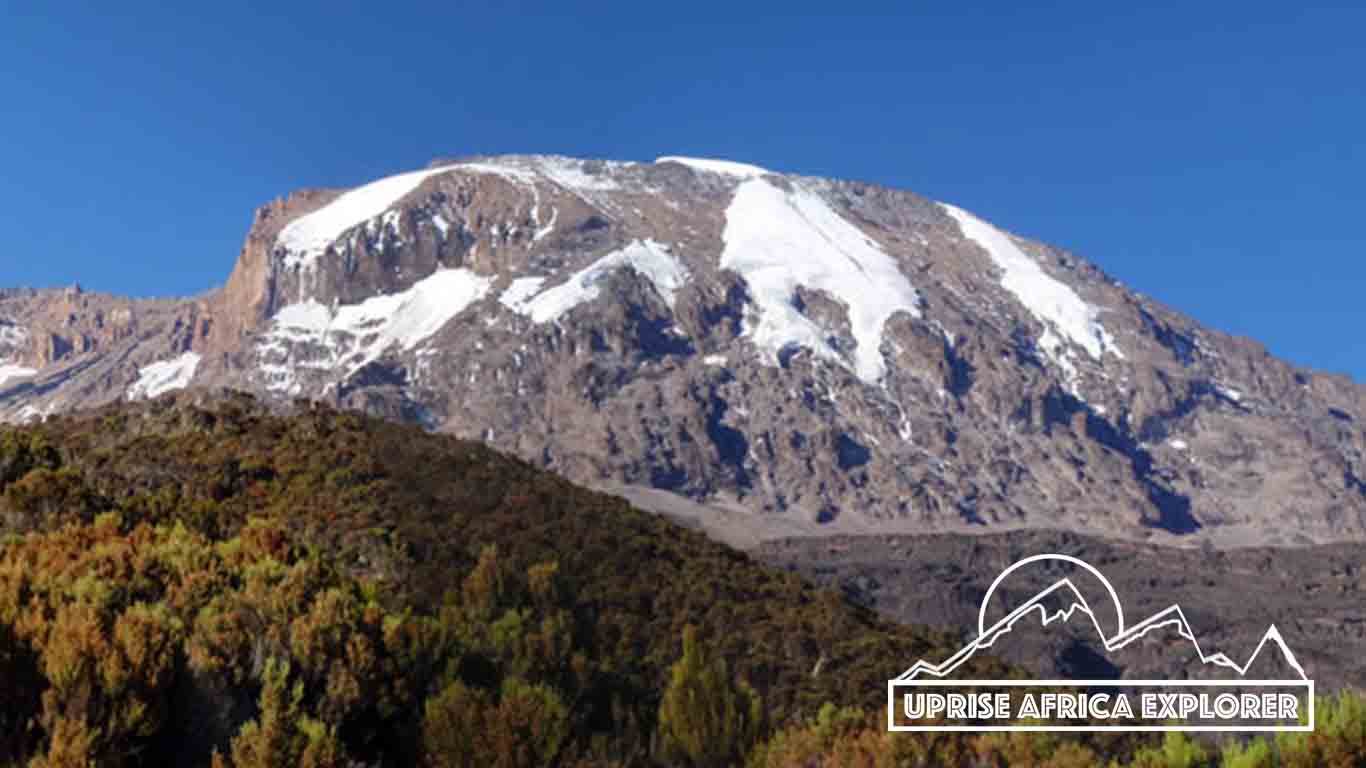
Mount Kilimanjaro is one of the world's most sought-after trekking and climbing destinations, attracting adventurers and nature enthusiasts from all corners of the globe. Rising to an impressive height of 19,341 feet (5,895 meters), Kilimanjaro stands as the tallest freestanding mountain in the world and an iconic symbol of East Africa. This dormant stratovolcano offers a range of unique experiences and challenges that make it a destination of choice for trekkers and climbers.
Climbing Routes: Kilimanjaro boasts several distinct climbing routes, each with its own character, scenery, and level of difficulty. The popular routes incaclude:
- Marangu Route: Often referred to as the "Coca-Cola" route, it is known for its relative comfort with hut accommodations.
- Machame Route: This is a scenic route that offers breathtaking views and is sometimes called the "Whiskey" route.
- Lemosho Route: Known for its solitude and scenic diversity, this route provides a more tranquil climbing experience.
- Rongai Route: Starting from the north, it offers a unique perspective of the mountain and is a quieter alternative.
- Northern Circuit Route: The longest route, it encircles the mountain, allowing trekkers to explore a wide variety of landscapes.
Climate Zones: Climbing Mount Kilimanjaro is a journey through multiple climate zones, offering a diverse range of landscapes and vegetation as you ascend:
- Rainforest Zone: The journey begins in the lush rainforest, where towering trees, ferns, and mosses create a verdant environment.
- Heath and Moorland Zone: As you ascend, the landscape transitions to heath and moorland, characterized by hardy shrubs and unique plant species.
- Alpine Desert Zone: Higher up, the terrain transforms into an otherworldly alpine desert, where the landscape is marked by volcanic rocks and minimal vegetation.
- Glacial Zone: Finally, as you approach the summit, you enter the glacial zone, where permanent ice and glaciers cap the mountain's upper reaches.
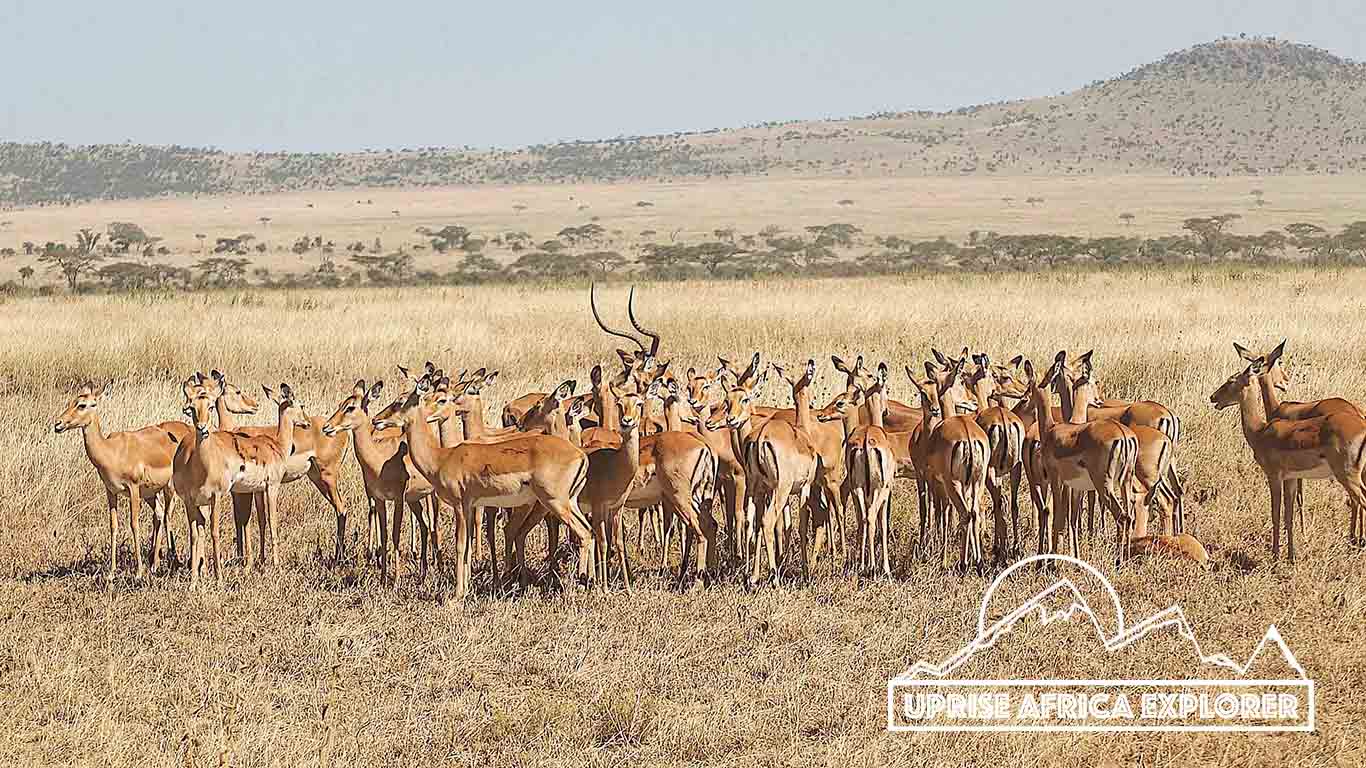
Cultural and Ecological Significance: Kilimanjaro is not only a natural wonder but also holds cultural and ecological significance. The Chagga people, who inhabit the surrounding region, consider the mountain sacred and have a rich cultural heritage intertwined with its existence. The mountain's slopes are home to a variety of wildlife, including monkeys, duikers, and a range of bird species, adding to its ecological importance.
Challenges and Rewards: Climbing Kilimanjaro is a physical and mental challenge, as trekkers and climbers must contend with altitude, variable weather conditions, and a demanding ascent. However, reaching the summit, Uhuru Peak, is a profoundly rewarding experience. The sense of accomplishment and the breathtaking views from the summit, often above the clouds, make the effort worthwhile. Trekkers often describe standing on the Roof of Africa as a life-changing moment.
Guides and Porters: Climbing Kilimanjaro requires the expertise of local guides and porters who are experienced in leading treks on the mountain. These teams provide essential support, from carrying equipment and supplies to ensuring safety and acclimatization. They also share their knowledge of the mountain's history and natural beauty.
Popupar Safari Tours
-
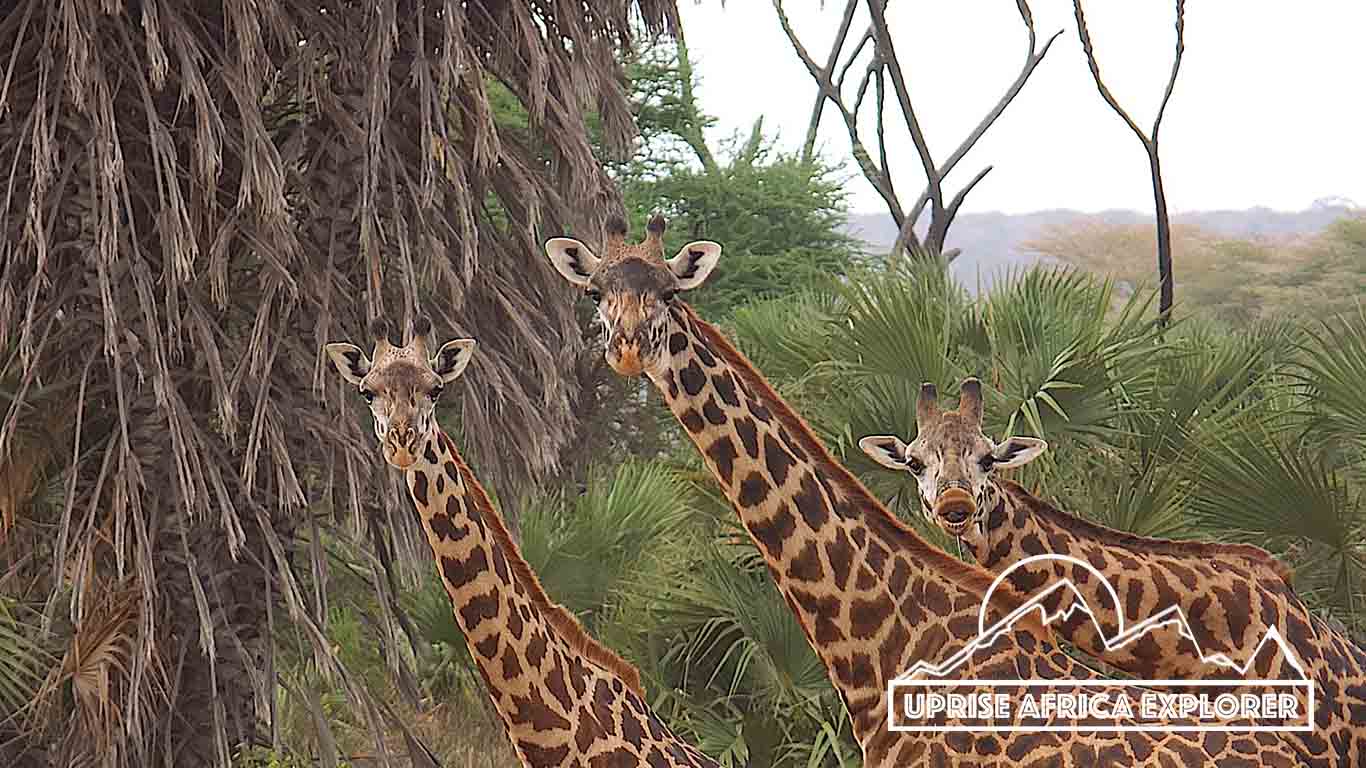
Arusha National Park 1 day safari
From $250