
Mount Kilimanjaro Climbing Guide by Local Tanzanian Expert
Mount Kilimanjaro Climbing Guide by Local Tanzanian Expert
Introduction
Mount Kilimanjaro, Africa’s tallest peak at 5,895 meters (19,341 feet), is a dream climb for adventurers around the world. This Mount Kilimanjaro climbing guide by a local Tanzanian expert will help you plan a successful trek, whether you are a first-time climber or an experienced trekker. Here, you’ll learn everything you need: the best routes, costs, packing tips, the right time to climb, safety advice, and what to expect from your summit experience.
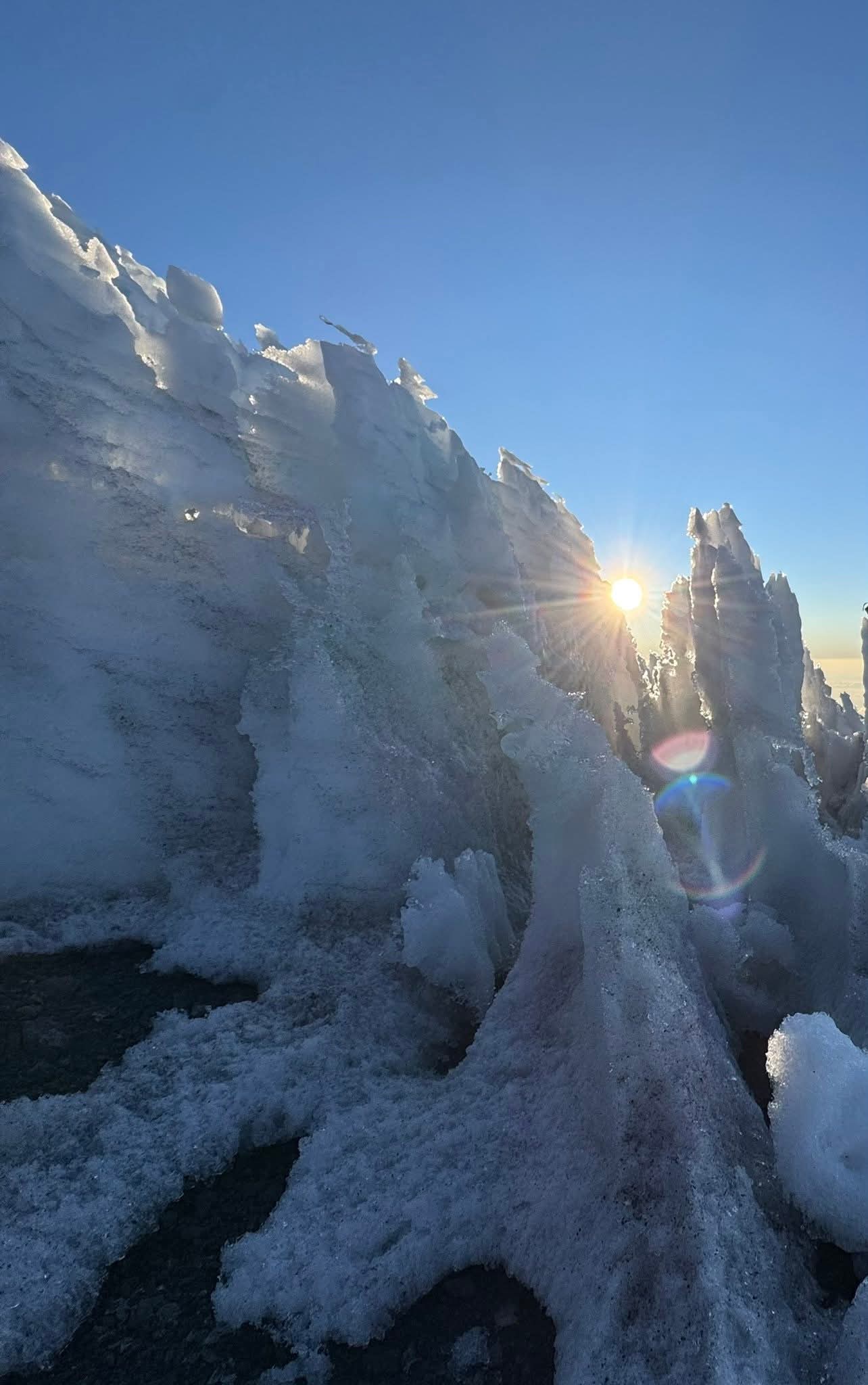
Climbing Kilimanjaro is more than just a physical challenge — it’s an unforgettable adventure. Imagine standing on Uhuru Peak, looking over the clouds as the sun rises over Tanzania. With proper preparation, guidance, and mindset, this dream can become reality. This guide is based on years of local experience, giving you practical insights that generic travel articles don’t provide.
One memorable climb involved a first-time trekkers’ group who summited together after 7 days via the Machame Route. The joy and pride they felt, combined with the breathtaking views, illustrate why Kilimanjaro is truly life-changing. Stories like these highlight the importance of proper planning and guidance from local Tanzanian experts.
Where Is Mount Kilimanjaro?
Mount Kilimanjaro is located in northern Tanzania, near the Kenya border. It is part of Kilimanjaro National Park and is a dormant volcanic mountain consisting of three cones: Kibo, Mawenzi, and Shira. Most climbers aim for Kibo, where Uhuru Peak is located, the highest point in Africa.
The mountain rises dramatically from the surrounding plains, offering a unique combination of ecosystems — from tropical rainforest at the base to alpine desert and glaciated summit. Local Tanzanian guides ensure climbers experience these diverse landscapes safely and responsibly, while sharing insights about the mountain’s history, geology, and wildlife.
How Tall Is Mount Kilimanjaro?
The summit of Mount Kilimanjaro, Uhuru Peak, reaches 5,895 meters (19,341 feet). Altitude is the main challenge, even though the trek does not require technical climbing skills. Thin air makes acclimatization essential.
Altitude sickness is common, affecting climbers regardless of fitness. Signs include headaches, nausea, dizziness, and fatigue. Choosing routes with gradual elevation gain, such as Lemosho or Machame, greatly improves summit success. Guided climbs by local Tanzanian experts help climbers pace themselves, stay hydrated, and recognize symptoms early.
Best Time to Climb Mount Kilimanjaro
Timing your climb is crucial. Kilimanjaro has two main climbing seasons:
Dry Seasons (Best Months)
January to March – warm, clear skies, minimal rain
June to October – most popular time with stable weather
During these months, trails are firm, visibility is excellent, and the summit is safer. First-time climbers will find these months ideal.
Wet Seasons (Less Ideal)
March to May – long rains, muddy trails, slippery paths
November – short rains, unpredictable weather
Other factors:
Trails are more crowded June–October
Dry seasons offer better photography and scenic views
Local Tanzanian guides can advise on specific days with the highest summit success rates
Tip from a local expert: Even in dry season, monitor weather reports. A flexible climbing plan improves your chances of reaching the summit safely.
Mount Kilimanjaro Routes Explained
Choosing the right route is critical to your experience. Each route varies in difficulty, scenery, and success rate.
Machame Route
Duration: 6–7 days
Difficulty: Moderate
Highlights: Scenic forest paths, dramatic vistas, high summit success
Best for: First-time climbers seeking adventure
Machame is also called the “Whiskey Route.” It offers excellent acclimatization and beautiful scenery, making it a favorite among adventure seekers.
Lemosho Route
Duration: 7–8 days
Difficulty: Moderate to challenging
Highlights: Stunning wilderness, gradual ascent, high success rate
Best for: Trekkers wanting fewer crowds and scenic beauty
Lemosho starts on the western side of Kilimanjaro and merges with Machame later. It’s ideal for climbers seeking both views and higher summit success.
Marangu Route
Duration: 5–6 days
Difficulty: Easiest
Highlights: Hut accommodation, gradual ascent
Best for: Beginners or those who prefer sleeping in huts
Also known as the “Coca-Cola Route,” Marangu is shorter, but faster ascent can increase the risk of altitude sickness.
Rongai Route
Duration: 6–7 days
Difficulty: Moderate
Highlights: Quiet trail, northern approach, wildlife sightings
Best for: Solitude and less crowded trekking
Rongai begins from the north and provides a unique wildlife experience. Trails are drier and less trafficked than other routes.
Northern Circuit
Duration: 8–9 days
Difficulty: Challenging
Highlights: Longest route, excellent acclimatization, panoramic views
Best for: Experienced climbers seeking remote adventure
The Northern Circuit circles the mountain, providing the best acclimatization profile and spectacular views.
Umbwe Route
Duration: 5–6 days
Difficulty: Hard
Highlights: Steep, direct, short trek
Best for: Experienced, fit climbers
Umbwe is steep and physically demanding. It’s recommended for climbers who want a tough, rewarding challenge.
How Much Does It Cost to Climb Mount Kilimanjaro?
Climbing Kilimanjaro involves several costs:
Park Fees
Tanzanian National Park fees: ~$800–$900 per person (7-day climb)
Covers conservation and rescue services
Guide & Porter Fees
Local guides: $250–$350 per person
Porters: $150–$200 per person
Tips: $150–$200
Tour Operator Packages
Budget: $1,500–$2,000
Mid-range: $2,000–$3,000
Luxury: $3,500+
Packages typically include permits, guides, porters, food, accommodation, and transport
Gear & Equipment
Rental: $100–$200
Personal gear (boots, jackets, sleeping bags): $300–$500
Tips:
Book early for preferred routes and seasons
Local operators like Uprise Africa Tours provide competitive prices with personalized attention
Budget for tips, snacks, and optional extras
Is Mount Kilimanjaro Hard to Climb?
Although technically a trek, Kilimanjaro is physically demanding. Fitness helps, but altitude is the main challenge. Most climbers experience fatigue, mild nausea, or headaches from altitude sickness.
Tips for Success:
Choose routes with gradual ascent (Lemosho or Machame)
Stay hydrated and pace yourself
Follow guide instructions closely
Local Expert Advice: Even moderate fitness climbers reach the summit safely with proper acclimatization.
Packing List for Mount Kilimanjaro
Essentials:
Trekking boots
Thermal layers
Waterproof jacket
Gloves and hat
Headlamp
Optional:
Trekking poles
Sunglasses
Sunscreen
Water bottles
Important Tips:
Pack light — porters carry most luggage
Dress in layers for changing temperatures
Check gear quality before your climb
Safety & Acclimatization
Altitude sickness is the biggest risk. Key safety tips:
Ascend slowly to acclimatize
Hydrate often
Recognize early signs of altitude sickness (headache, nausea, dizziness)
Follow your guide’s pacing
Emergency tip: Local guides are trained for evacuation procedures. Never ignore symptoms.
Local Wildlife & Scenery
Kilimanjaro is rich in biodiversity:
Rainforest zone: monkeys, tropical birds
Heath & Moorland: giant lobelias, groundsel plants
Alpine zone: scarce vegetation, breathtaking landscapes
Wildlife sightings add to the unforgettable experience. Observing these ecosystems is safer and more enjoyable with a local guide.
Summit Night Experience
Most climbers start the final ascent around midnight to reach Uhuru Peak for sunrise. Tips:
Dress in layers, as temperatures can drop below -10°C
Move slowly and breathe deeply
Enjoy the silence and spectacular starry sky
Local Tanzanian guides share motivational tips during the climb to help climbers push through fatigue. Summiting is physically and emotionally rewarding.
Frequently Asked Questions
Q1: Can beginners climb Mount Kilimanjaro?
Yes, with proper preparation and gradual routes like Lemosho or Machame.
Q2: How long does it take to climb Mount Kilimanjaro?
Most climbs take 5–9 days depending on the route. Longer routes improve acclimatization.
Q3: Do you need oxygen?
No, oxygen is not needed, but acclimatization is critical.
Q4: Best route for first-time climbers?
Machame or Lemosho for scenic trails and high summit success.
Q5: How fit do I need to be?
Moderate fitness is sufficient. Endurance training is recommended.
Q6: Can I climb Kilimanjaro any time of year?
Technically yes, but dry seasons (Jan–Mar, Jun–Oct) are safer and more scenic.
Q7: What should I tip my guides and porters?
$150–$200 per person is standard. Tips reward good service and care.
Conclusion
Climbing Mount Kilimanjaro is an unforgettable adventure. With this Mount Kilimanjaro climbing guide by a local Tanzanian expert, you now know the best routes, costs, packing essentials, timing, safety tips, and summit insights. Proper preparation, pacing, and following local expert guidance will maximize your chance of a successful and enjoyable summit.
At Uprise Africa Tours, we provide guided climbs with personalized attention, safe trekking, and authentic local experience. Start planning your Kilimanjaro adventure today, and let us help you make your dream summit a reality.