
Mountain Rescue on Mount Kilimanjaro: Emergency Response & Climber Safety
Mountain Rescue on Mount Kilimanjaro: Emergency Response & Climber Safety
Climbing Mount Kilimanjaro is one of the most memorable adventures a traveler can experience. While the trek itself is non-technical, the mountain’s high altitude and remote terrain make preparation and safety absolutely essential. At Uprise Africa Tours, we prioritize climber safety through comprehensive emergency procedures and well-trained guides, ensuring that help is available whenever it is needed.
In this guide, we explain how mountain rescue works on Kilimanjaro, the steps our team takes to protect climbers, and what you should know about emergency response before attempting the climb.
Understanding Emergency Response on Kilimanjaro
Mount Kilimanjaro is remote, and medical facilities are only available at the base. Therefore, any medical or safety incident requires immediate on-site assessment. Our guides are trained to monitor each climber’s health daily, checking for signs of altitude sickness and other conditions.
The primary focus in any emergency is always rapid, safe descent. While there are several methods for evacuation, moving a climber to a lower altitude is the most effective treatment for high-altitude illness.
Monitoring Health at High Altitude
Climbers ascend Kilimanjaro over multiple days to allow for gradual acclimatization. Despite careful planning, altitude sickness can affect anyone. Uprise Africa Tours guides watch for:
Headaches, nausea, and dizziness
Shortness of breath at rest
Fatigue or difficulty walking
When symptoms are detected, our team takes immediate action to slow ascent, provide supplemental oxygen if necessary, and prepare for descent if symptoms persist.
Medical Equipment and Support
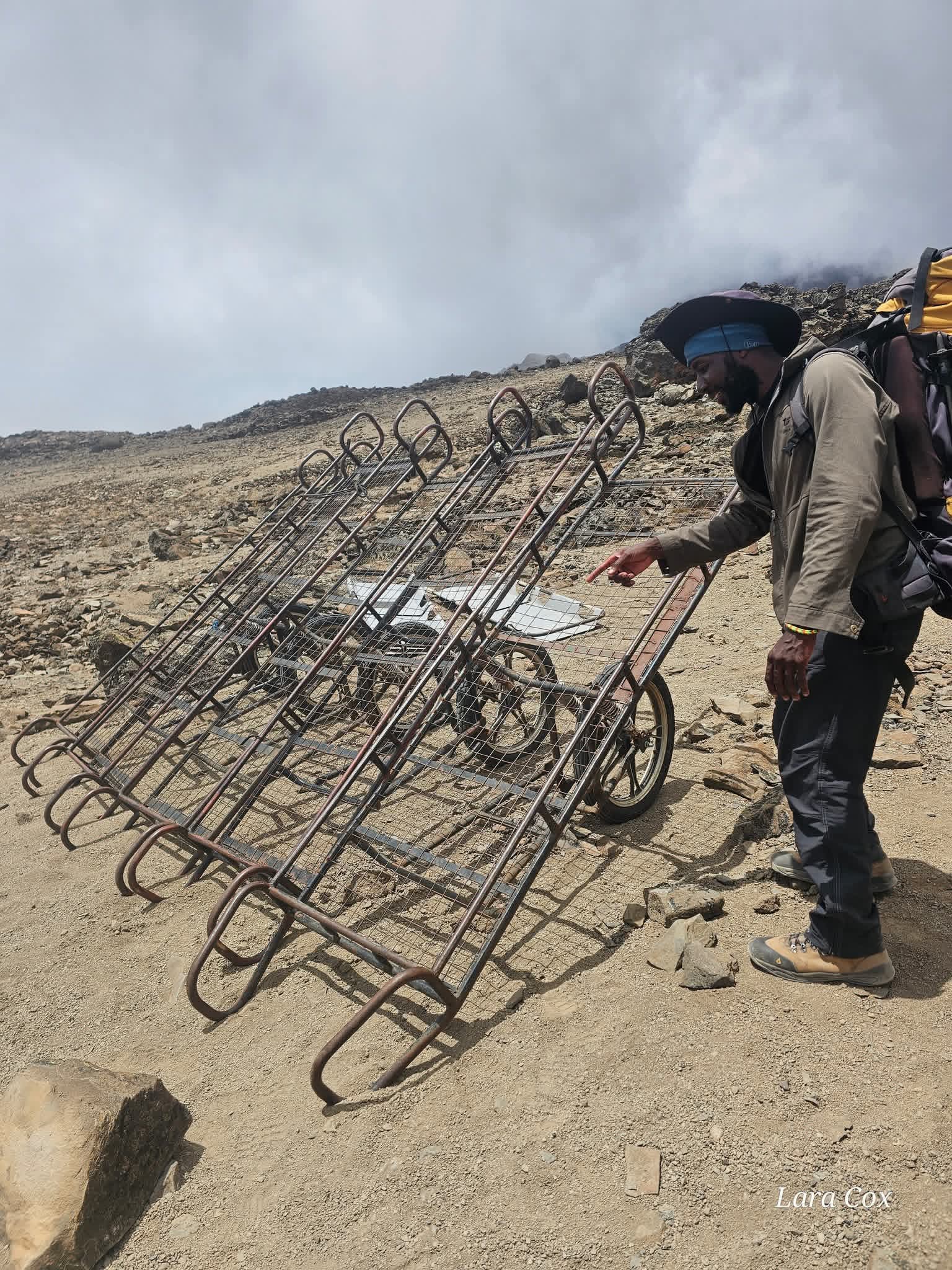
Our team carries essential medical supplies for emergencies, including first-aid kits, oxygen cylinders, and stretchers. Portable equipment allows guides to provide temporary stabilization until a climber reaches a location where evacuation is possible.
We emphasize that emergency equipment is only used when necessary and not as a shortcut to reach higher altitudes.
Evacuation Options on the Mountain
Assisted Descent
If a climber cannot continue on their own, guides and porters provide assisted walking. This ensures the climber reaches a safe altitude while maintaining comfort and security.
Stretcher Evacuation
For climbers who cannot walk, portable stretchers allow our team to carry them safely down the mountain. Guides are trained to navigate challenging terrain while keeping the climber stable.
Helicopter Evacuation
In rare, life-threatening emergencies, helicopter evacuation may be possible. This option depends on weather, landing conditions, and valid travel insurance covering high-altitude trekking. Helicopter evacuation is always a last resort, used only when descent by land is not feasible or safe.
Why Descending Is the Best Treatment
While specialized equipment exists to temporarily simulate lower altitude, nothing replaces actual descent. Lower elevation allows the body to recover naturally and prevents conditions from worsening. This is why Uprise Africa Tours prioritizes rapid and safe descent over temporary fixes.
Preparing for Your Kilimanjaro Climb
Safety starts before the first step on the trail. Uprise Africa Tours ensures that all climbers:
Have valid travel insurance covering high-altitude emergencies
Understand the risks associated with altitude sickness
Know the procedures for reporting symptoms to guides
Proper preparation significantly reduces the need for emergency response and allows climbers to focus on the experience.
Limitations of Mountain Rescue
It is important to understand that rescue on Kilimanjaro is limited by:
Weather and visibility
Terrain and accessibility of certain routes
Availability of helicopter evacuation (insurance required)
While emergencies are rare, climbers should always be aware of these factors and follow the guidance of trained professionals.
Frequently Asked Questions
What happens if someone becomes seriously ill on Kilimanjaro?
Guides assess the situation and begin descent immediately. Depending on the severity, evacuation may involve assisted walking, stretcher transport, or airlift.
Can climbers be rescued from high altitude on Kilimanjaro?
Yes. Uprise Africa Tours has protocols for all emergencies, including stretcher and helicopter evacuations when conditions allow.
Is travel insurance required for Kilimanjaro climbs?
Absolutely. Travel insurance covering high-altitude trekking and medical evacuation is mandatory for every climber.
How do guides monitor climber health?
Guides check for common signs of altitude sickness, breathing difficulties, fatigue, and other medical issues during daily assessments.
Final Thoughts
Climbing Kilimanjaro is an incredible adventure, but safety should never be overlooked. With Uprise Africa Tours, climbers can rely on trained guides, emergency procedures, and careful planning. Understanding how mountain rescue works, recognizing the importance of proper acclimatization, and having the right travel insurance ensures that your journey is both unforgettable and safe.
At Uprise Africa Tours, we believe that preparation and awareness are the keys to a successful climb — and they can make all the difference in an emergency.