
Solo Kilimanjaro Climb: Can You Climb Kilimanjaro Without a Guide?
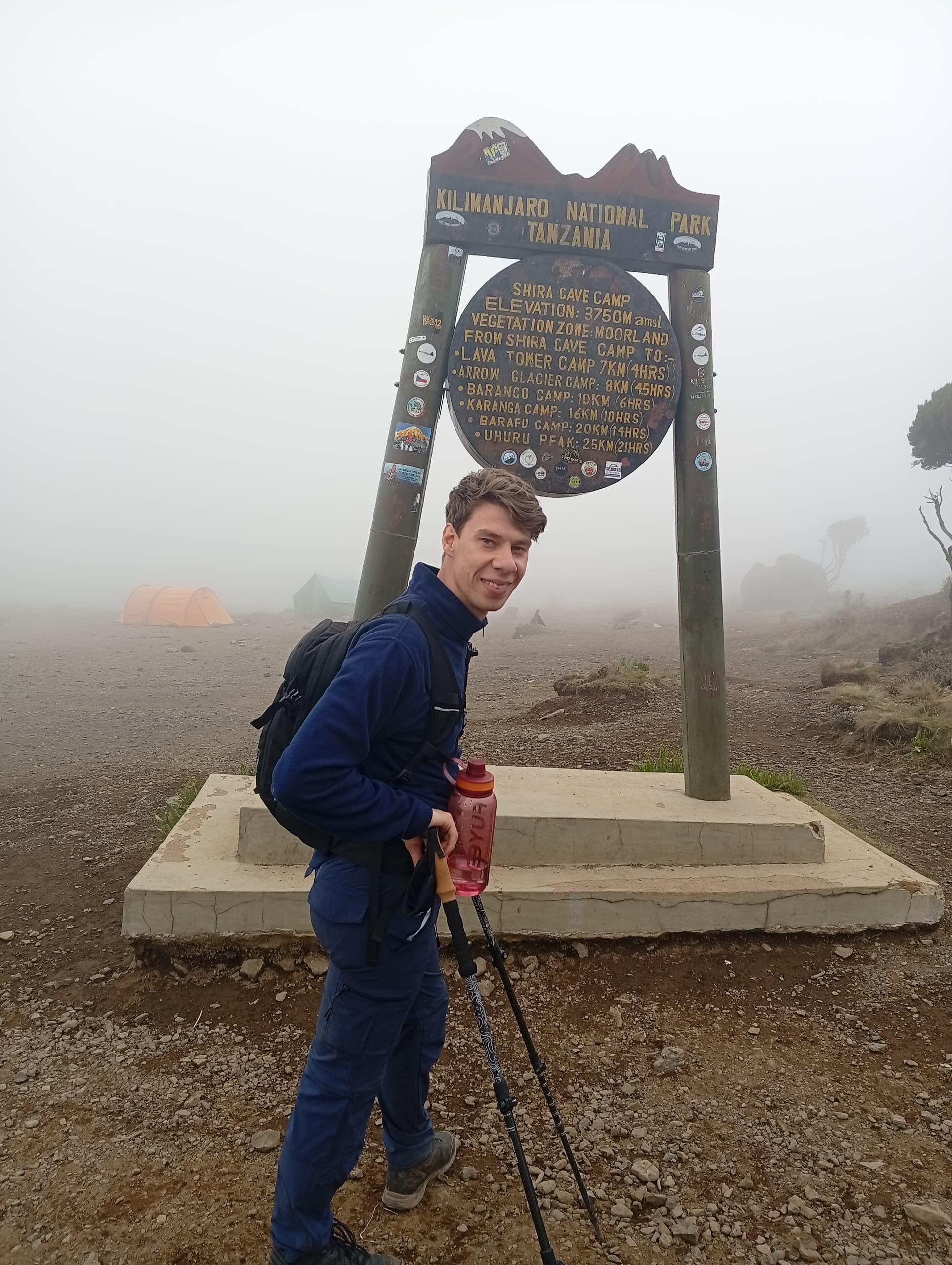
Solo Kilimanjaro Climb: Can You Climb Kilimanjaro Without a Guide?
Many adventure travelers dream of a solo Kilimanjaro climb — carrying their own gear, moving at their own pace, and reaching the summit of Africa’s highest mountain independently. It sounds like the ultimate adventure.
But can you actually climb Mount Kilimanjaro alone?
The short answer is no — you cannot legally climb Kilimanjaro without a guide. However, the full story is more interesting, and understanding it can help you plan the perfect high-altitude adventure.
In this guide, we’ll explain the rules, safety reasons, and what a “solo Kilimanjaro climb” really means — especially if you’re planning your trip with Uprise Africa Tours.
Can You Climb Kilimanjaro Without a Guide?
One of the most common questions travelers ask is: can you climb Kilimanjaro solo?
The answer is clear: climbing Kilimanjaro without a guide is not allowed.
The mountain is located in Tanzania, and national park regulations require all climbers to:
Be accompanied by a licensed guide
Book through a registered tour operator
Enter the park with an approved support team
Even experienced mountaineers are not exempt from this rule. If you arrive at the park gate without a guide, you will be refused entry.
So while the idea of a completely independent climb is appealing, it simply isn’t possible on Kilimanjaro.
Why Are Guides Required on Kilimanjaro?
The rules around guided climbs aren’t just about regulation — they are designed to protect both climbers and the mountain itself.
1. Safety at Extreme Altitude
At 5,895 meters, Kilimanjaro is a high-altitude environment where oxygen levels are significantly lower. Altitude sickness can affect anyone, regardless of fitness or experience.
Professional guides are trained to:
Recognize early symptoms of altitude sickness
Adjust your pace for better acclimatization
Make critical decisions about whether to continue or descend
This expertise can make the difference between a successful summit and a dangerous situation.
2. Navigation and Changing Conditions
Although Kilimanjaro has established trekking routes, conditions can change rapidly. Fog, wind, and cold temperatures can reduce visibility and make navigation more difficult than expected.
A guide ensures that you:
Stay on the correct path
Maintain a safe pace
Avoid unnecessary risks
3. Emergency Support
In case of illness or injury, your guide and team are responsible for organizing a safe evacuation.
This includes:
Coordinating rescue services
Assisting with descent
Monitoring your condition throughout the journey
Without this support, climbing at high altitude would be significantly more dangerous.
4. Environmental Protection
Kilimanjaro is a protected national park, and regulations help preserve its fragile ecosystem.
Guided climbs ensure:
Proper waste management
Controlled trekking routes
Reduced environmental impact
This helps protect the mountain for future generations.
What Does “Solo Kilimanjaro Climb” Really Mean?
If you can’t climb Kilimanjaro alone, why do so many people search for a solo Kilimanjaro climb?
The answer lies in how the term is used.
A “solo climb” on Kilimanjaro usually means:
You are the only traveler in your group
You have a private guide and support team
You follow your own schedule and pace
So while you are not physically alone, you still get a personal and independent experience.
With Uprise Africa Tours, you can book a private Kilimanjaro trek, giving you the freedom of solo travel with the safety of a professional team.
What Support Team Will You Have?
Even on a solo Kilimanjaro climb, you will be supported by a dedicated team. This is part of what makes the experience both safe and enjoyable.
Your team typically includes:
Lead guide: Responsible for navigation, safety, and decision-making
Assistant guides: Help monitor your pace and health
Porters: Carry equipment, food, and supplies
Cook: Prepares meals throughout the trek
This team allows you to focus on the climb itself, rather than logistics.
Is Kilimanjaro Safe for Solo Travelers?
Yes — Kilimanjaro is considered one of the safest high-altitude climbs for solo travelers when done with a licensed guide.
Here’s why:
Non-technical routes (no ropes or climbing skills required)
Professional support teams
Established trekking infrastructure
High success rates with proper acclimatization
For many people, Kilimanjaro is their first high-altitude adventure, making it an excellent choice for solo travelers seeking a challenge.
Solo vs Group Kilimanjaro Climb
If you’re planning your trek, you’ll need to choose between a private (solo) climb or a group climb.
Solo (Private Climb)
Flexible schedule
Personalized pace
Greater privacy
Higher cost
Group Climb
Lower cost
Social experience
Shared motivation
Fixed itinerary
Both options have their benefits. With Uprise Africa Tours, you can choose the experience that best matches your travel style.
How to Prepare for a Solo Kilimanjaro Climb
Even though Kilimanjaro is non-technical, preparation is essential for success.
Physical Preparation
Regular hiking or cardio training
Building endurance for multi-day trekking
Strengthening legs and core
Gear Essentials
Warm clothing for cold summit conditions
Waterproof jacket and trousers
High-quality hiking boots
Backpack and sleeping gear
Acclimatization Strategy
Choosing a longer route (6–8 days) increases your chances of reaching the summit safely. Proper acclimatization is key to avoiding altitude sickness.
Why Choose Uprise Africa Tours?
At Uprise Africa Tours, we specialize in safe, well-organized Kilimanjaro treks designed for both solo travelers and groups.
We provide:
Experienced, certified mountain guides
Carefully planned itineraries for acclimatization
Full logistical support from arrival to summit
Personalized service for private climbs
Our focus is simple: to help you reach the summit safely while enjoying every step of the journey.
FAQs About Solo Kilimanjaro Climbs
Can you climb Kilimanjaro solo without a guide?
No, all climbers must be accompanied by a licensed guide.
Is it legal to climb Kilimanjaro alone?
No, Tanzanian regulations require a guide for all climbers.
Can I book a private Kilimanjaro climb?
Yes, you can climb as a solo traveler with your own guide and support team.
Is Kilimanjaro safe for solo travelers?
Yes, with proper preparation and a professional guide, it is considered safe.
Do I need climbing experience?
No technical experience is required, but good fitness and preparation are important.
Conclusion
While a completely independent solo Kilimanjaro climb is not possible, you can still enjoy a personal, flexible, and rewarding adventure with the support of a professional team.
This balance between independence and safety is what makes Kilimanjaro one of the most accessible high-altitude climbs in the world.
With Uprise Africa Tours, you’ll have expert guidance, full support, and the freedom to experience the mountain your way.
Ready to climb Kilimanjaro? Start your journey today with Uprise Africa Tours and turn your adventure into reality.