
What Nobody Tells You Before Climbing Kilimanjaro 12 Lessons Every First Time Climber Must Know
What Nobody Tells You Before Climbing Kilimanjaro: 12 Lessons Every First-Time Climber Must Know
Planning to climb Kilimanjaro? Discover what nobody tells you — essential tips on gear, altitude, training, and surviving summit night.
Climbing Mount Kilimanjaro is a bucket-list adventure for thousands of trekkers worldwide. But as breathtaking as the summit is, many first-time climbers are caught off guard by challenges that go far beyond fitness. From the freezing summit night to altitude sickness and gear choices, there are countless things nobody tells you before climbing Kilimanjaro.
At Uprise Africa Tours, we’ve guided adventurers of all levels, and we want to share the lessons that can make your climb safer, more enjoyable, and unforgettable.
1. How Hard Is It to Climb Kilimanjaro?
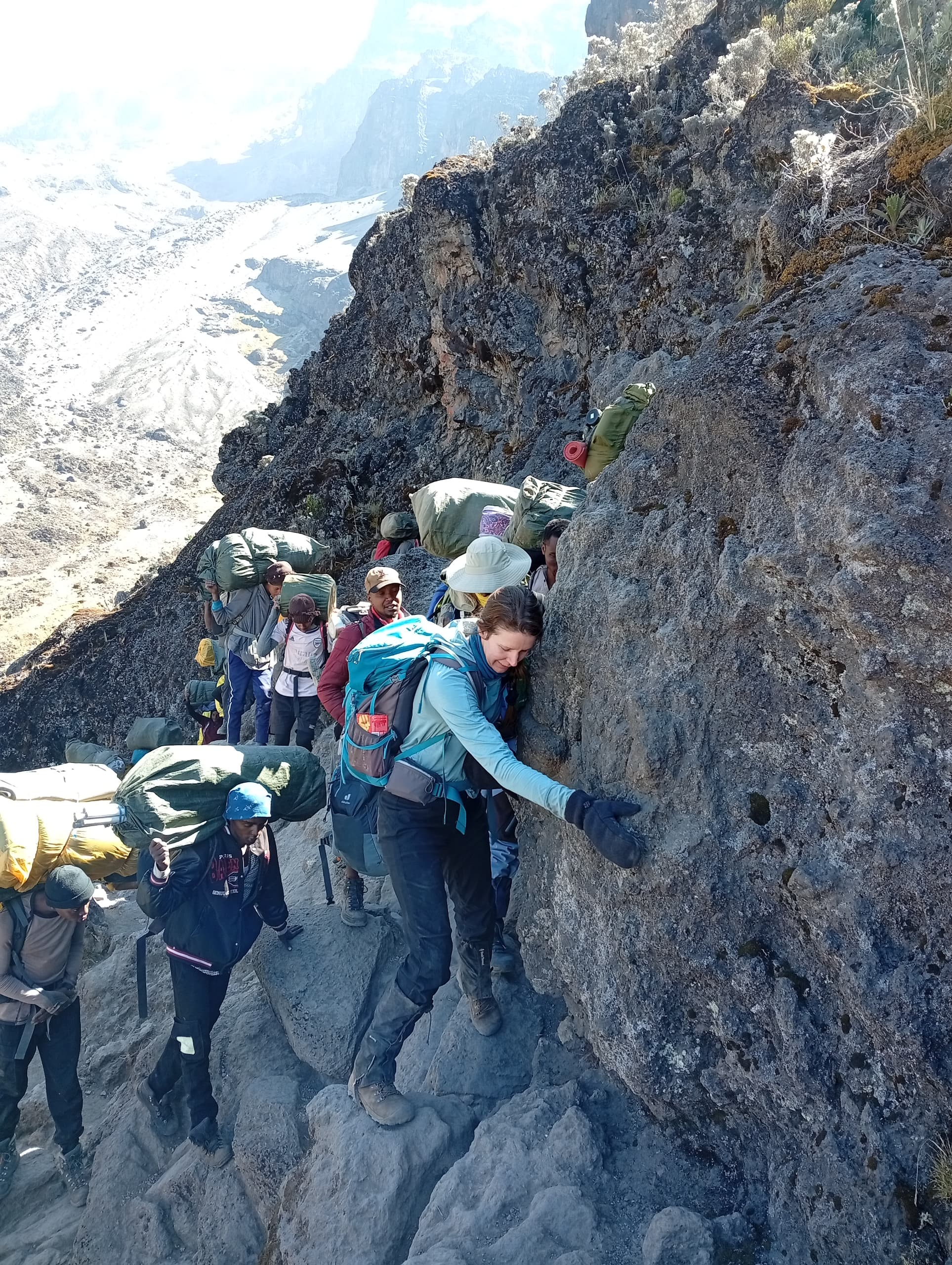
Although Kilimanjaro is a “walk-up” mountain with no technical climbing, the trek is physically and mentally demanding.
Physical challenge: Expect 5–8 hours of hiking daily, often on steep, rocky trails. Summit night pushes climbers to extreme cold and exhaustion.
Mental challenge: Fatigue, altitude, and unpredictable weather can test even the most prepared trekkers.
Tip: Fitness alone isn’t enough. Embrace the “pole pole” (slowly, slowly) philosophy to improve your summit success.
2. What Should I Know Before Climbing Kilimanjaro?
Training & Preparation
Focus on long-distance endurance hikes rather than sprint workouts.
Stair climbing, weighted backpack hikes, and multi-day treks prepare your legs and lungs.
Rest days during training are crucial for recovery.
Choosing the Right Route
Kilimanjaro has several trekking routes. For first-timers:
Marangu Route: Shorter, gradual ascent, also called the “Coca-Cola Route.”
Lemosho Route: Longer, better acclimatization, stunning scenery.
Rongai Route: Drier, less crowded, good for summit night.
Tip: Longer routes increase your chance of reaching the summit successfully.
3. Gear You Really Need
Gear can make or break your experience. Be prepared for cold, rain, and altitude challenges.
Essentials:
Thermal layers and moisture-wicking clothing
Waterproof jacket and pants
Warm gloves (two layers) and a hat
Sturdy hiking boots & gaiters
Trekking poles
Headlamp with extra batteries
Extras:
Sunglasses and sunscreen
Hydration system (3 liters per day minimum)
Energy snacks (nuts, chocolate, energy chews)
Basic first aid kit and personal medications
Tip: Pack light, but carry what you need daily. Porters can carry heavier gear.
4. How Do You Avoid Altitude Sickness on Kilimanjaro?
Altitude sickness is the top reason climbers fail.
Symptoms: Headache, nausea, dizziness, shortness of breath
Prevention:
Ascend slowly: Longer routes help your body acclimatize.
Hydrate constantly (minimum 3 liters/day).
Avoid alcohol and smoking during the trek.
Consult a doctor about preventive medications like Diamox.
Tip: Listen to your body descending is sometimes necessary.
5. Common Mistakes People Make
1. Rushing the climb → less acclimatization, higher altitude sickness risk
2. Underpacking or overpacking → freezing nights or heavy loads
3. Ignoring summit night preparation mental and physical challenges underestimated
4. Skipping training → even fit people struggle
5. Not tipping guides/porters fairly → affects morale and service
6. What Is Summit Night Really Like?
Summit night starts around midnight, with temperatures dropping below -10°C (14°F).
Pace yourself: Slow and steady prevents exhaustion.
Mental preparation: Break the climb into short goals — next marker, next ridge.
Sunrise reward: Reaching Uhuru Peak at sunrise is unforgettable all hardship melts away.
7. Costs, Guides, and Porters
Tour costs: Vary by route, group size, and services included.
Guides: Required by Kilimanjaro National Park; they ensure safety, navigation, and morale.
Porters: Carry gear, cook, and set up camp. Tip fairly ($10–15/day per porter).
Tip Book with a reputable operator like Uprise Africa Tours for safe, ethical trekking.
8. Key Lessons Learned / Takeaways
1. Train early and focus on endurance.
2. Choose a route that allows proper acclimatization.
3. Pack wisely layers, gloves, and boots are essential.
4. Hydrate and pace yourself to prevent altitude sickness.
5. Summit night is mental as well as physical — plan accordingly.
6. Respect guides and porters they make your climb possible.
7. Expect emotional hig
hs and lows the summit is life-changing.
Knowing these things beforehand ensures a safe, enjoyable, and unforgettable climb truly what nobody tells you before climbing Kilimanjaro.
Kilimanjaro Climbing Guides, Mountain Trekking & Hiking, Kilimanjaro Preparation & Gear, First-Time Climber Tips, Adventure Travel, Kilimanjaro Summit Night, Altitude Sickness Tips, Kilimanjaro Route Options