
Why Mount Kilimanjaro Should Be Your Next Adventure
Why Mount Kilimanjaro Should Be Your Next Adventure
Climbing a mountain is more than just a physical challenge — it’s an experience that tests your limits and rewards you with unforgettable views and memories. Few mountains combine accessibility, adventure, and natural beauty quite like Mount Kilimanjaro. As Africa’s tallest peak and the world’s highest free-standing mountain, it’s a dream destination for travelers seeking a mix of challenge and awe. Here are five compelling reasons why Kilimanjaro should be your next adventure.
1. An Accessible Challenge for All Levels
Unlike technical peaks that require climbing gear and advanced skills, Mount Kilimanjaro is a trekking mountain. People with basic fitness can reach the summit with proper preparation. The secret is pacing yourself, a principle known locally as pole pole, or “slowly, slowly.” Taking your time helps your body adjust to high altitude, reducing the risk of sickness and making the climb safer. Experienced guides and support teams are available on all popular routes, ensuring a smooth and well-organized trek.
2. Stunning Variety of Landscapes
One of Kilimanjaro’s most unique features is its dramatic change in scenery over a single climb. Hikers pass through several ecological zones, each with its own look and feel:
Rainforest Zone: Thick greenery, waterfalls, and diverse wildlife.
Moorland Zone: Giant plants and rocky formations create a surreal environment.
Alpine Desert Zone: Windswept and stark, offering breathtaking solitude.
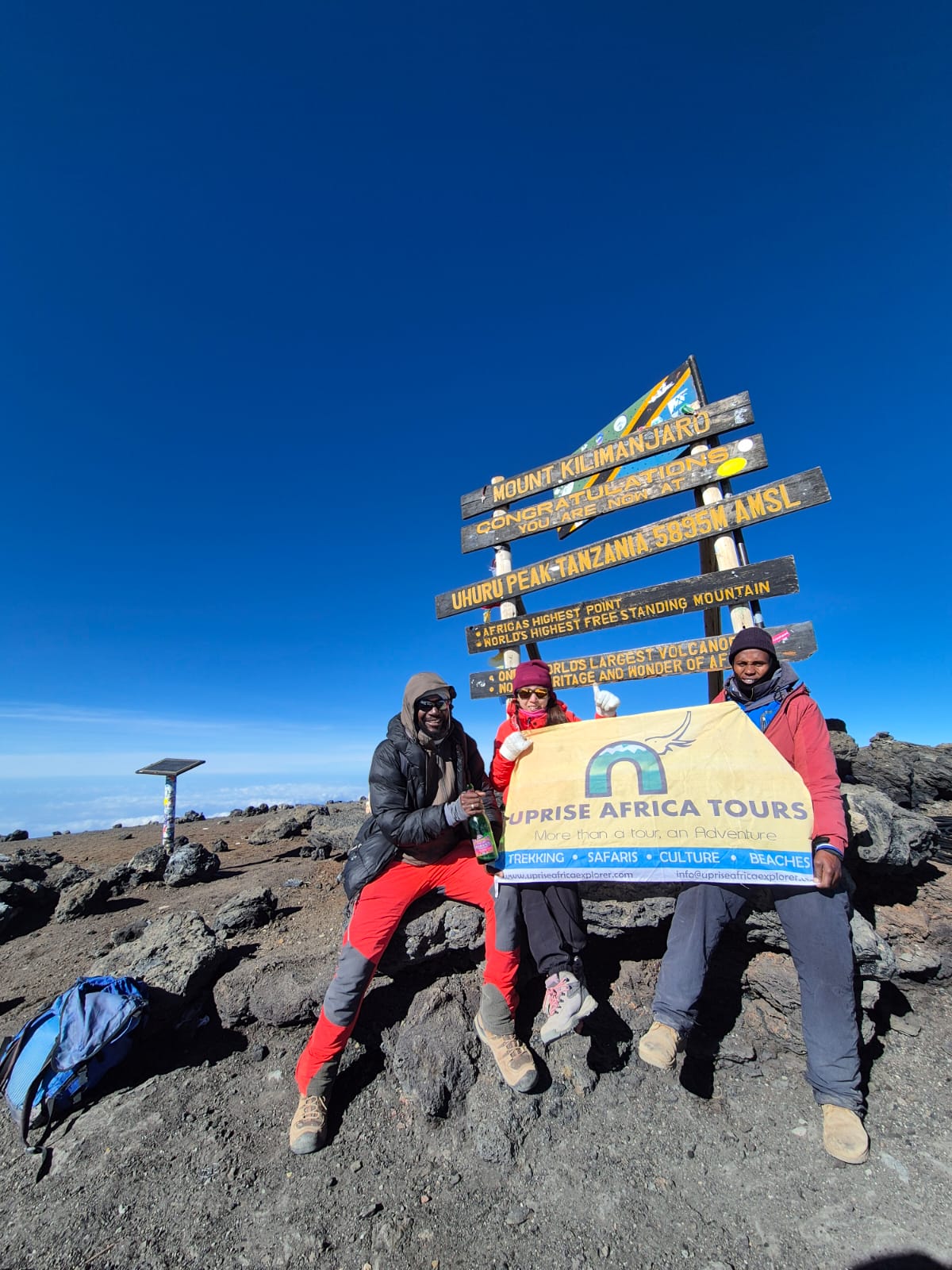
Summit Zone: Snow and glaciers await, providing an unforgettable view from Uhuru Peak.
This rapid transformation of landscapes makes the trek not just a physical achievement but a visual journey that few other mountains can match.
3. Rich Wildlife and Plant Life
While climbing is the main goal, Kilimanjaro is also home to diverse flora and fauna. In the rainforest, you may see blue monkeys, colobus monkeys, and colorful birds. Giant lobelias and senecios dominate the higher zones, giving the mountain an almost otherworldly appearance. Nature lovers and photographers will find endless opportunities to explore and capture the mountain’s unique biodiversity.
4. Multiple Trekking Routes to Suit Your Style
Kilimanjaro offers several trekking routes, each with a distinct experience:
Marangu Route: Comfortable, with huts along the way.
Machame Route: Challenging, scenic, and popular among adventurous trekkers.
Lemosho and Shira Routes: Longer, less crowded, with higher summit success rates.
Rongai Route: Approaches from the north, quieter and ideal for solitude.
All routes provide trained guides and support teams, making your climb safe, organized, and rewarding.
5. A Life-Changing Achievement
Reaching the summit of Kilimanjaro is a transformative experience. Standing on Uhuru Peak, you’ll feel a sense of accomplishment that few adventures can match. The climb tests your endurance, determination, and resilience, leaving you with memories that last a lifetime. Whether you trek solo, with friends, or as part of a guided group, the summit offers perspective, awe, and personal triumph.
Tips for a Successful Kilimanjaro Trek
To make the climb enjoyable and safe, keep these tips in mind:
Train ahead of time: Focus on hiking, cardio, and stamina.
Acclimatize gradually: Longer routes improve your chances of reaching the summit.
Pack wisely: Layered clothing, trekking boots, gloves, a warm jacket, and a headlamp are essential.
Stay hydrated and fueled: Drink plenty of water and carry high-energy snacks.
Hire experienced guides: Their knowledge ensures safety and enhances the experience.
FAQ – Frequently Asked Questions
Q1: How hard is Mount Kilimanjaro to climb?
A: It’s a challenge, but with preparation and pacing, most healthy adults can reach the summit.
Q2: When is the best time to trek Kilimanjaro?
A: January to March and June to October are ideal, with dry and clear weather.
Q3: Do I need previous climbing experience?
A: No. Kilimanjaro is a trekking mountain, not a technical climb. Guides handle all logistics.
Q4: Which route is best for first-time trekkers?
A: Marangu is comfortable and popular for beginners, while Machame offers a more scenic experience.
Q5: What essentials should I pack?
A: Layered clothing, hiking boots, gloves, warm jacket, headlamp, water, and snacks.
Final Thoughts
Mount Kilimanjaro combines adventure, natural beauty, and accessibility, making it a must-do experience for travelers seeking a meaningful challenge. With diverse landscapes, wildlife, and multiple trekking routes, it offers a life-changing journey for all levels of hikers. Start planning your trek today and experience the thrill of climbing Africa’s iconic peak.