Kilimanjaro Health and Safety: What to Do if a Climber Gets Sick | Uprise Africa Tours
Kilimanjaro Health and Safety: What to Do if a Climber Gets Sick | Uprise Africa Tours
Climbing Mount Kilimanjaro is an incredible adventure, but it’s also a high-altitude trek that can challenge even experienced hikers. One common concern for climbers is: “What happens if someone gets sick while trying to reach the summit?”
At Uprise Africa Tours, your safety is our top priority. This guide explains what to do in case of illness, how to prevent altitude sickness, and how our team ensures a safe and successful climb.
Understanding High-Altitude Sickness
Altitude sickness, or acute mountain sickness (AMS), occurs when your body struggles to adjust to lower oxygen levels at high elevations. Symptoms can include:
Headache
Nausea and vomiting
Dizziness or fatigue
Shortness of breath
Severe cases can lead to high-altitude pulmonary edema (HAPE) or high-altitude cerebral edema (HACE), which are life-threatening and require immediate descent.
What Uprise Africa Tours Does if a Climber Gets Sick
If a climber becomes ill on the trek, our trained guides follow strict safety protocols:
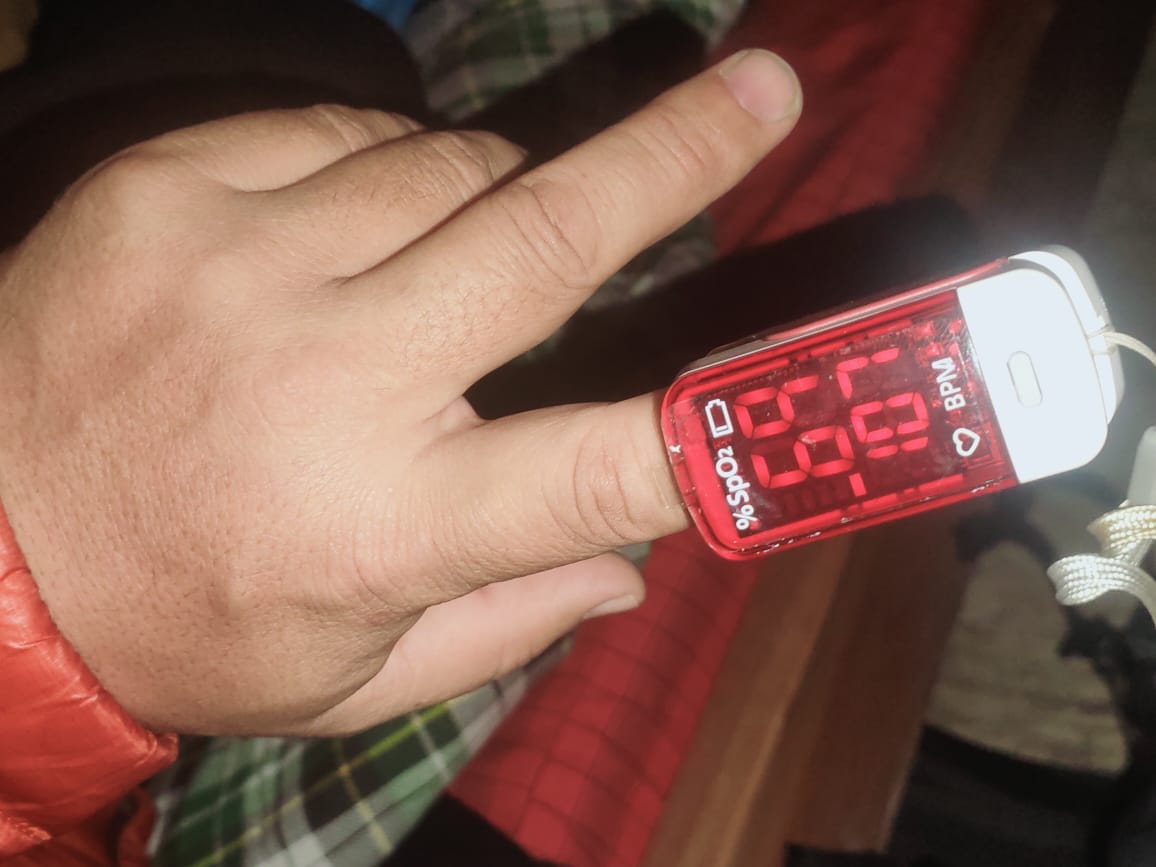
Immediate Assessment: Guides monitor vital signs and symptoms to evaluate severity.
On-site Care: Mild cases are treated with rest, hydration, and medication if needed.
Evacuation: For serious illness, the climber is safely escorted to lower altitudes or a medical facility.
Group Adjustment: The rest of the group can continue safely, but the climber’s health always comes first.
Our guides carry oxygen, first aid kits, and emergency communication devices to respond quickly to any medical situation.
Tips to Prevent Sickness on Kilimanjaro
1. Acclimatize Properly
Choose longer routes like Machame or Lemosho to increase acclimatization time.
Follow the “climb high, sleep low” principle.
2. Stay Hydrated
Drink at least 3 liters of water per day.
Avoid excessive alcohol or caffeine.
3. Eat Well
High-carbohydrate meals provide energy and aid acclimatization.
Avoid heavy or greasy foods before summit night.
4. Listen to Your Body
Report headaches, nausea, or fatigue immediately.
Do not push through severe symptoms.
5. Use Guides and Support
Experienced guides know when to slow the pace or stop for safety.
Porters help carry gear so climbers can conserve energy.
Why Climbing with Uprise Africa Tours is Safer
All guides are trained in high-altitude first aid.
We carry emergency oxygen and communication devices.
Group pacing and acclimatization plans are designed to reduce risk of illness.
We prioritize every climber’s health over reaching the summit.
Booking with us ensures a safe, enjoyable, and professional Kilimanjaro experience.
FAQ
What happens if someone gets altitude sickness?
Mild cases are treated with rest, hydration, and medication. Severe cases require immediate descent.
Can the group continue if one member is sick?
Yes, but the sick climber’s safety is always prioritized. Guides may adjust pace or split the group if needed.
How can I prevent getting sick on Kilimanjaro?
Acclimatize properly, drink enough water, eat high-carb meals, and listen to your body.
Do beginners need to worry about altitude sickness?
Anyone can experience altitude sickness. Proper preparation and following the guides’ instructions greatly reduce risk.
Conclusion
Climbing Mount Kilimanjaro is an unforgettable experience, but safety and health must always come first. With Uprise Africa Tours, you benefit from trained guides, emergency protocols, and careful acclimatization planning.
If a climber gets sick, our team acts quickly to ensure their safety while supporting the rest of the group, so everyone can have a memorable and secure trek to Uhuru Peak.
Plan your climb with confidence and let Uprise Africa Tours guide you safely to the top of Africa!
Tags: